Name the visit at the heart of it
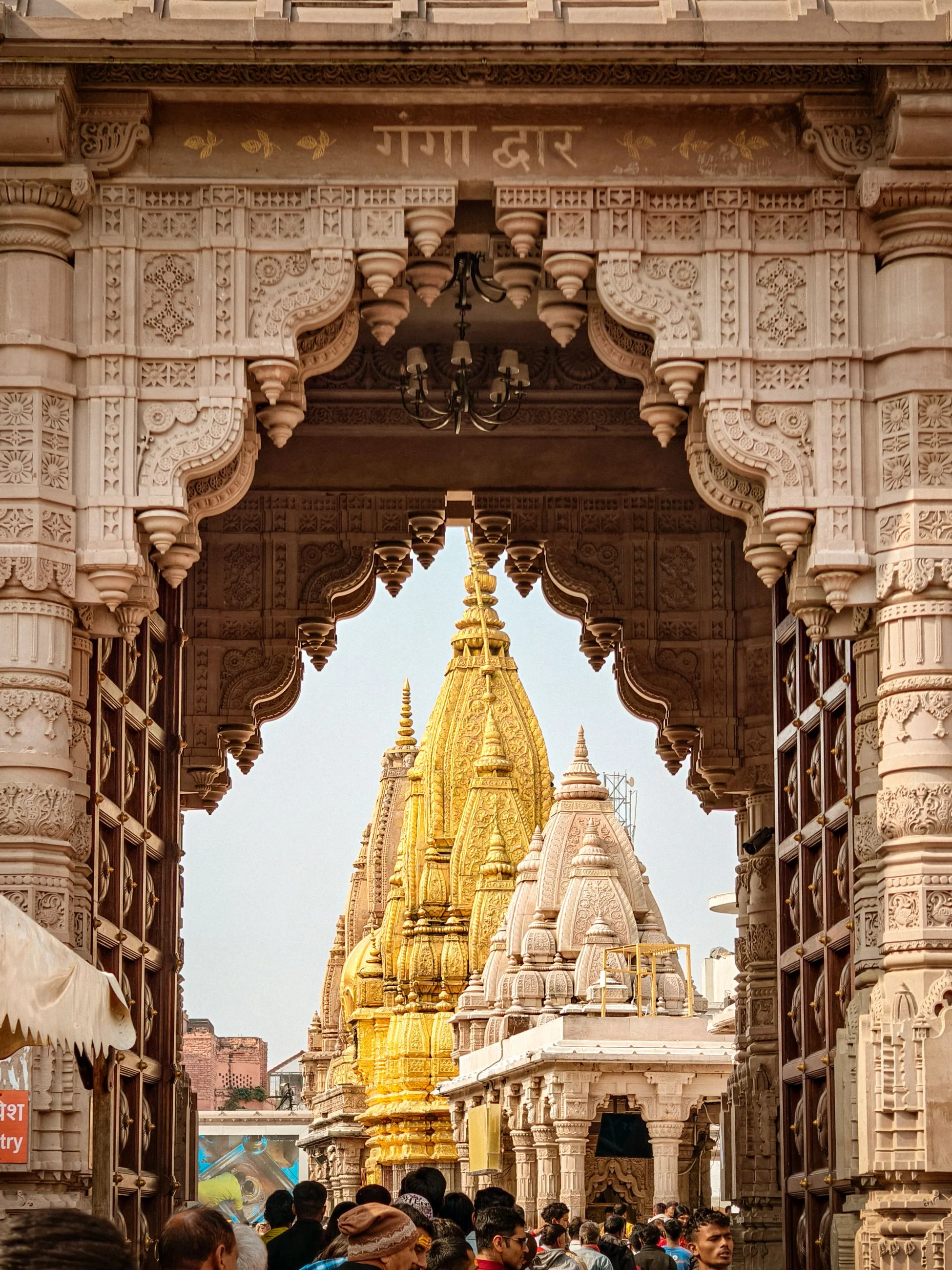
Every family that travels this route has one visit at its centre: darshan at Kashi Vishwanath, a first sight of Ram Lalla in Ayodhya, or a prayer at the Sangam for a parent's sake. Name it before anything else is decided, because it fixes the order of the cities, the dates and which night should sit closest to that visit. If a ritual is part of the journey, a Ganga puja at the confluence or a rite on the riverbank, mention it early, so that the priest, the place and the timing can be confirmed rather than improvised on the day.
Three journeys, three paces
There are three ways to travel this route. Varanasi and Prayagraj Pilgrimage takes a suggested four days, with the overnight pattern confirmed to suit the guests and a longer assisted version available. Varanasi and Ayodhya Pilgrimage gives five days to those two cities. The Sacred Confluence joins all three over a suggested six days; its name is thematic, not a claim that the three cities share a geographical confluence, and it does not prescribe the travel order. All durations are starting versions. Travel days are never calculated by simply counting cities, because the roads between them decide far more.
What the road really takes
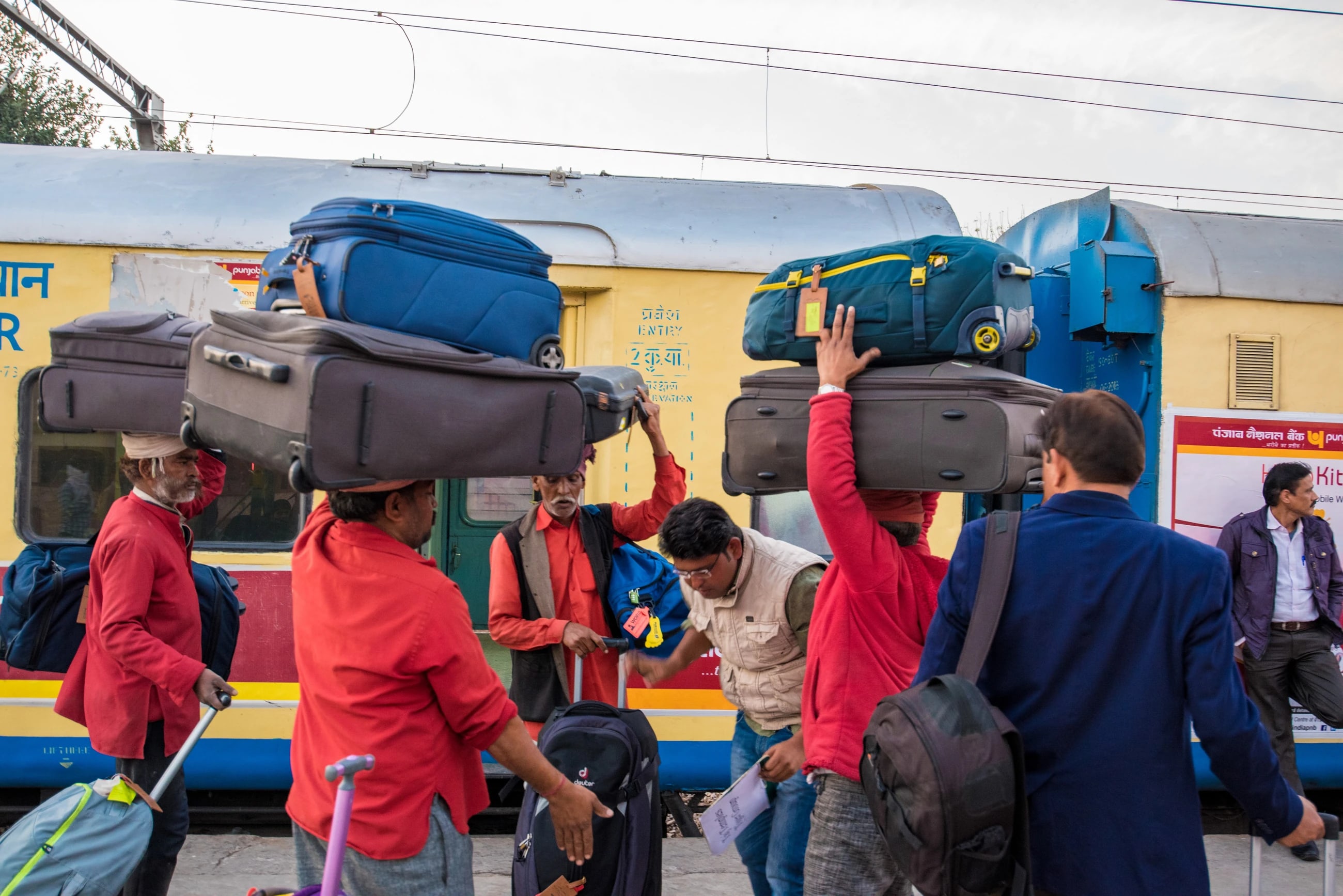
Varanasi to Prayagraj is about 120 km, usually around three hours by car. Prayagraj to Ayodhya is about 170 km, roughly four hours, and Ayodhya back to Varanasi a little over 200 km, four to five hours on the road. Those are driving times, not door-to-door times: add loading, a proper lunch, traffic through towns and the walk from a riverside hotel to the car. Private chauffeured transport is matched to your party, luggage and route, and luggage and porter assistance helps where cars cannot reach. A day with a long drive should carry nothing more demanding than an evening by the river.
Giving each city its due
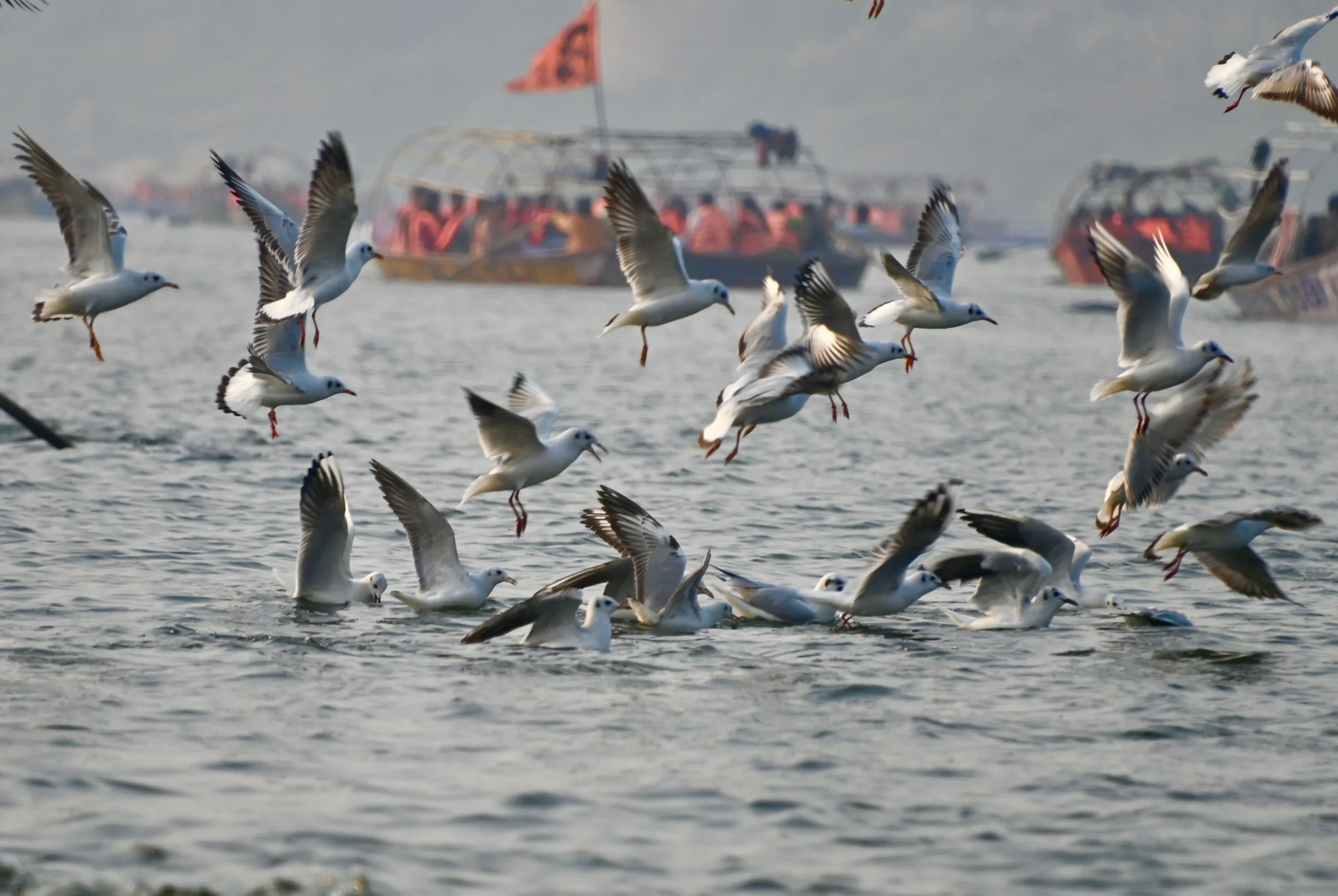
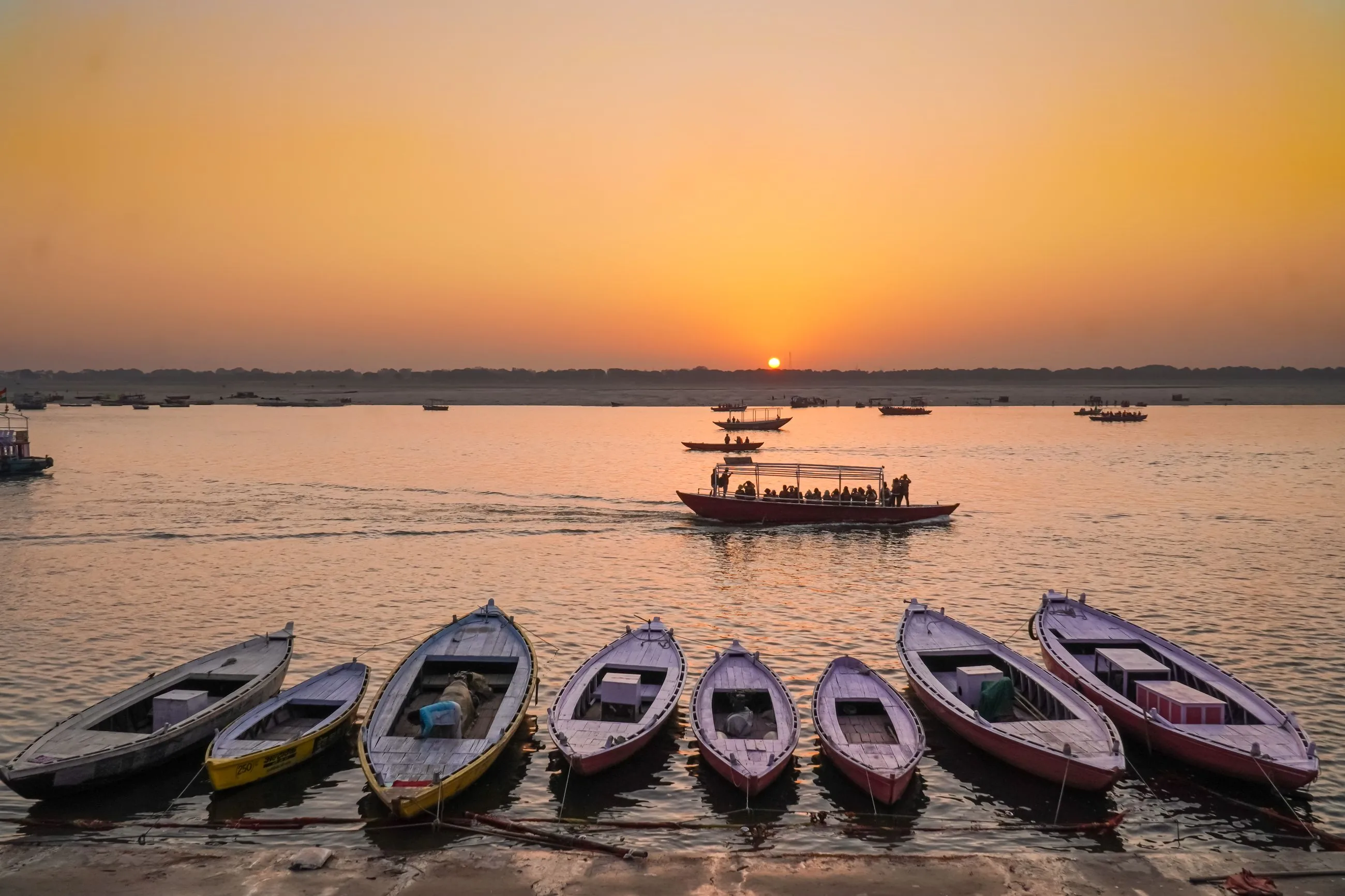
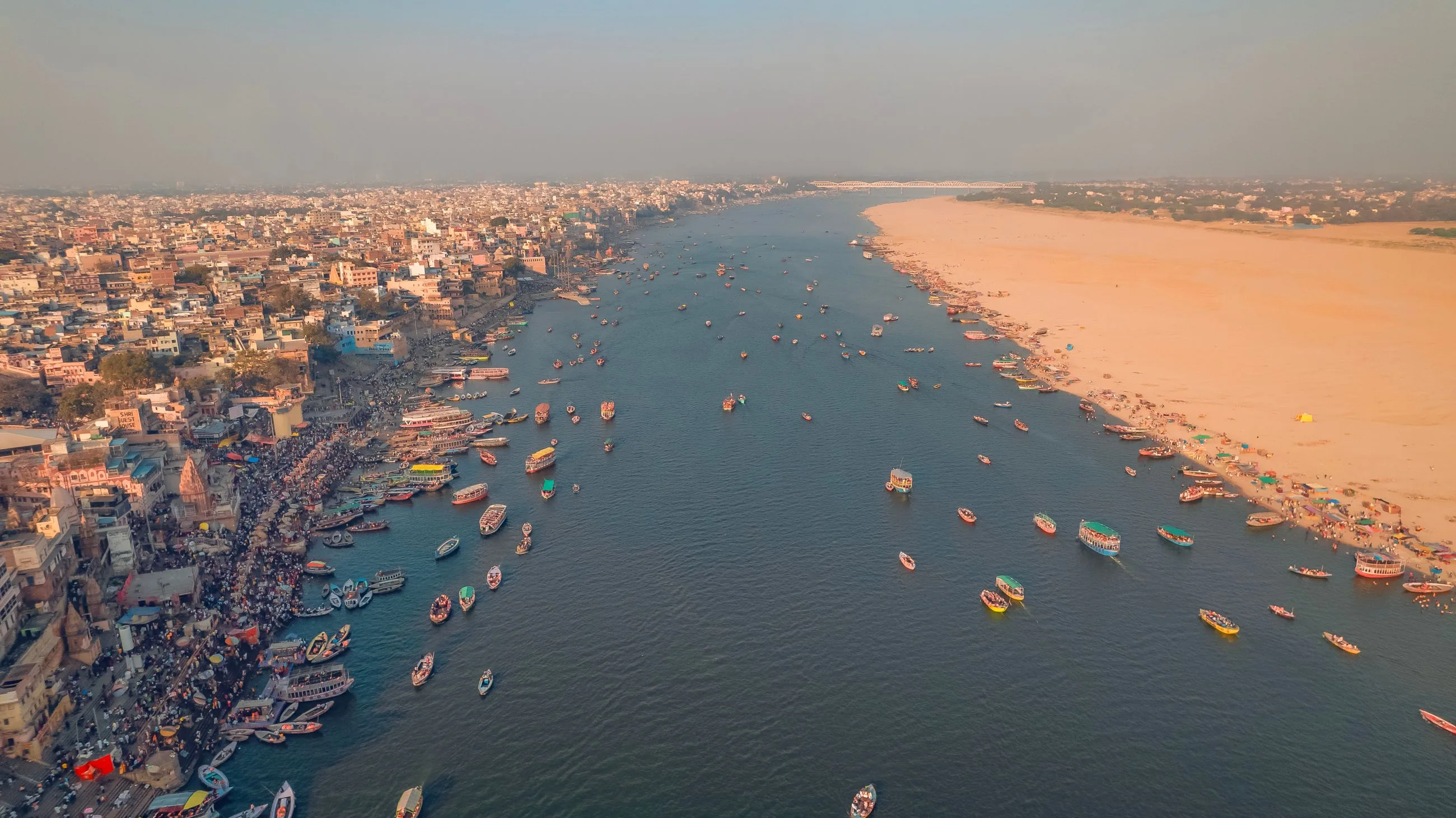
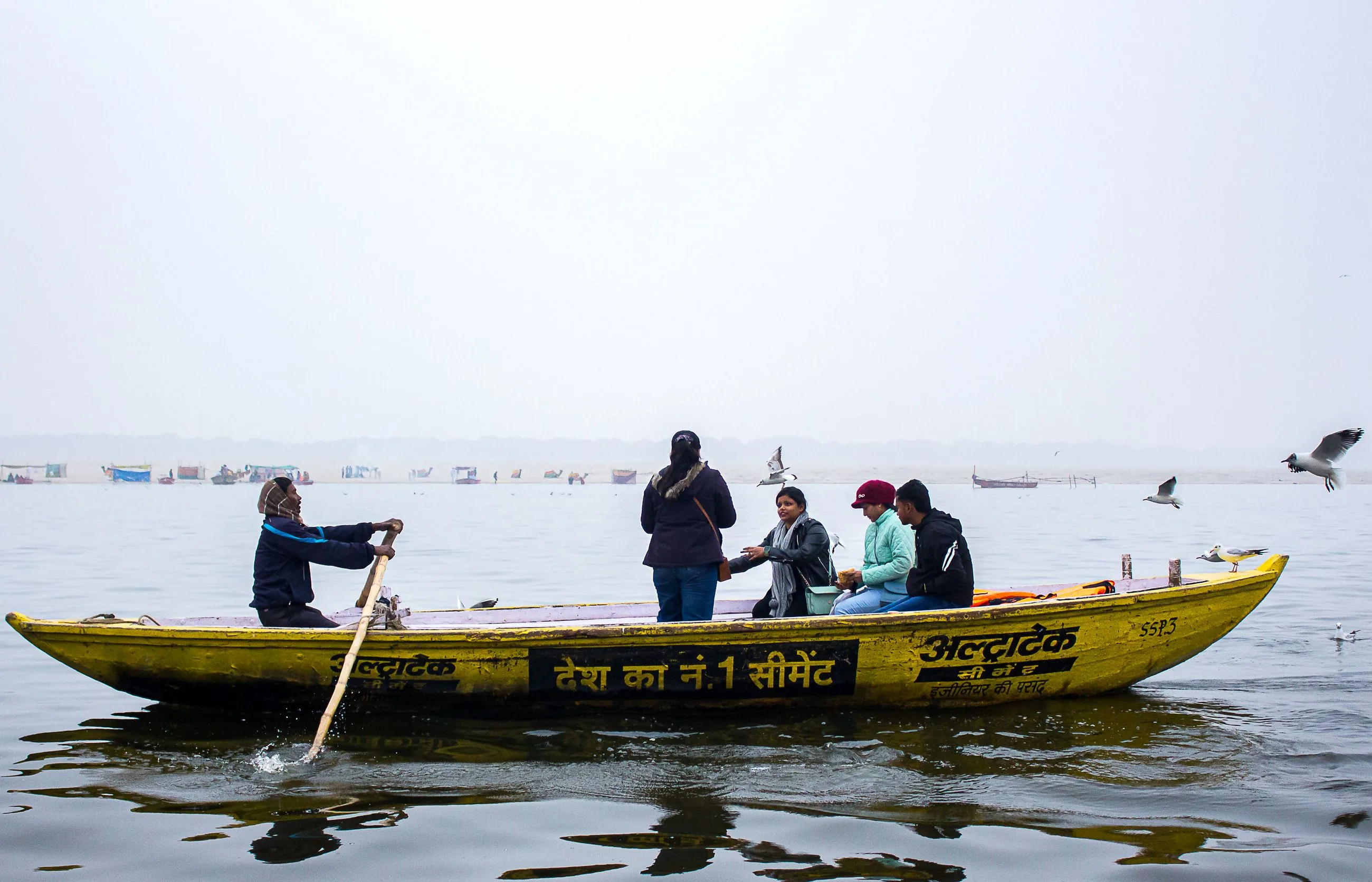
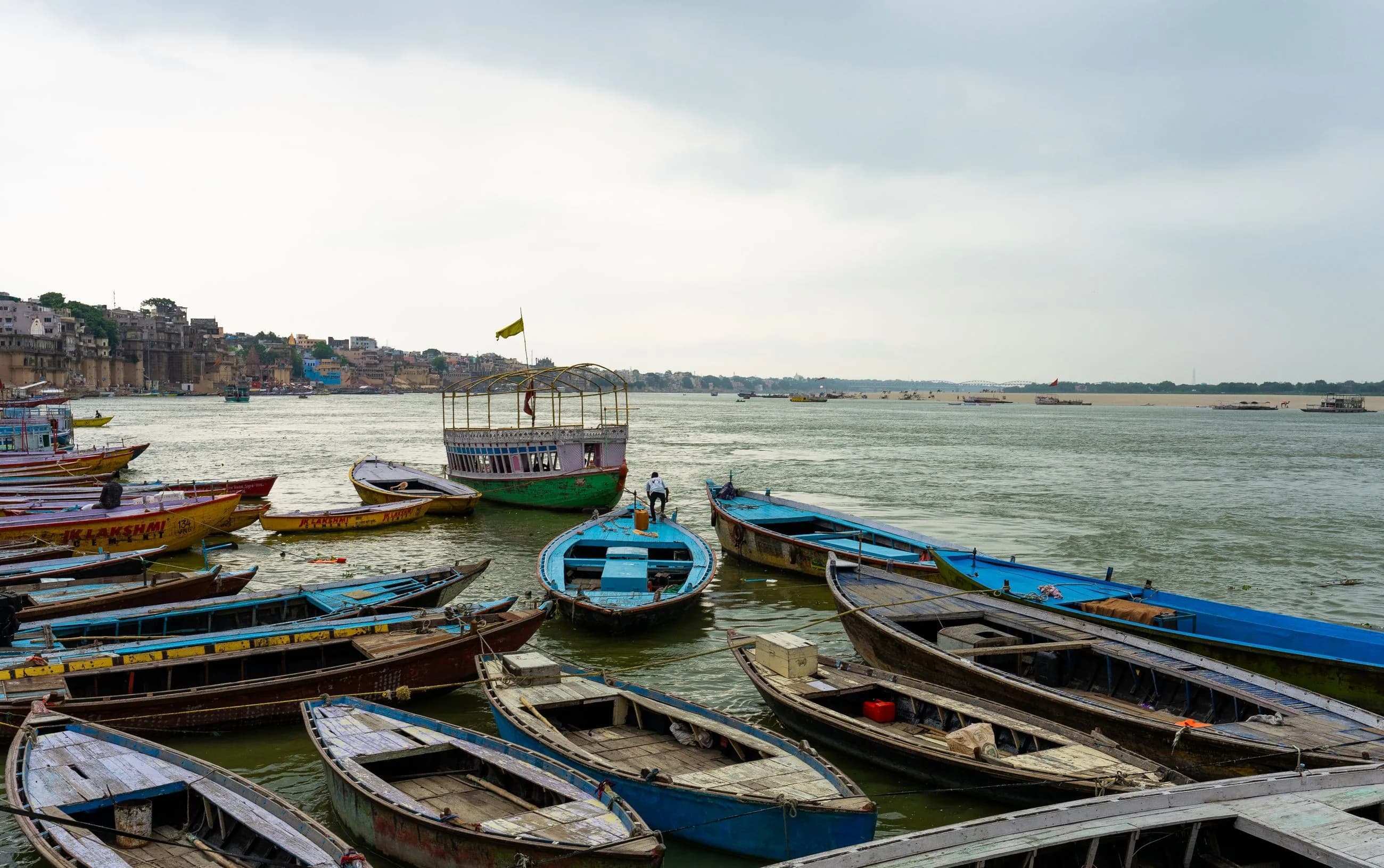
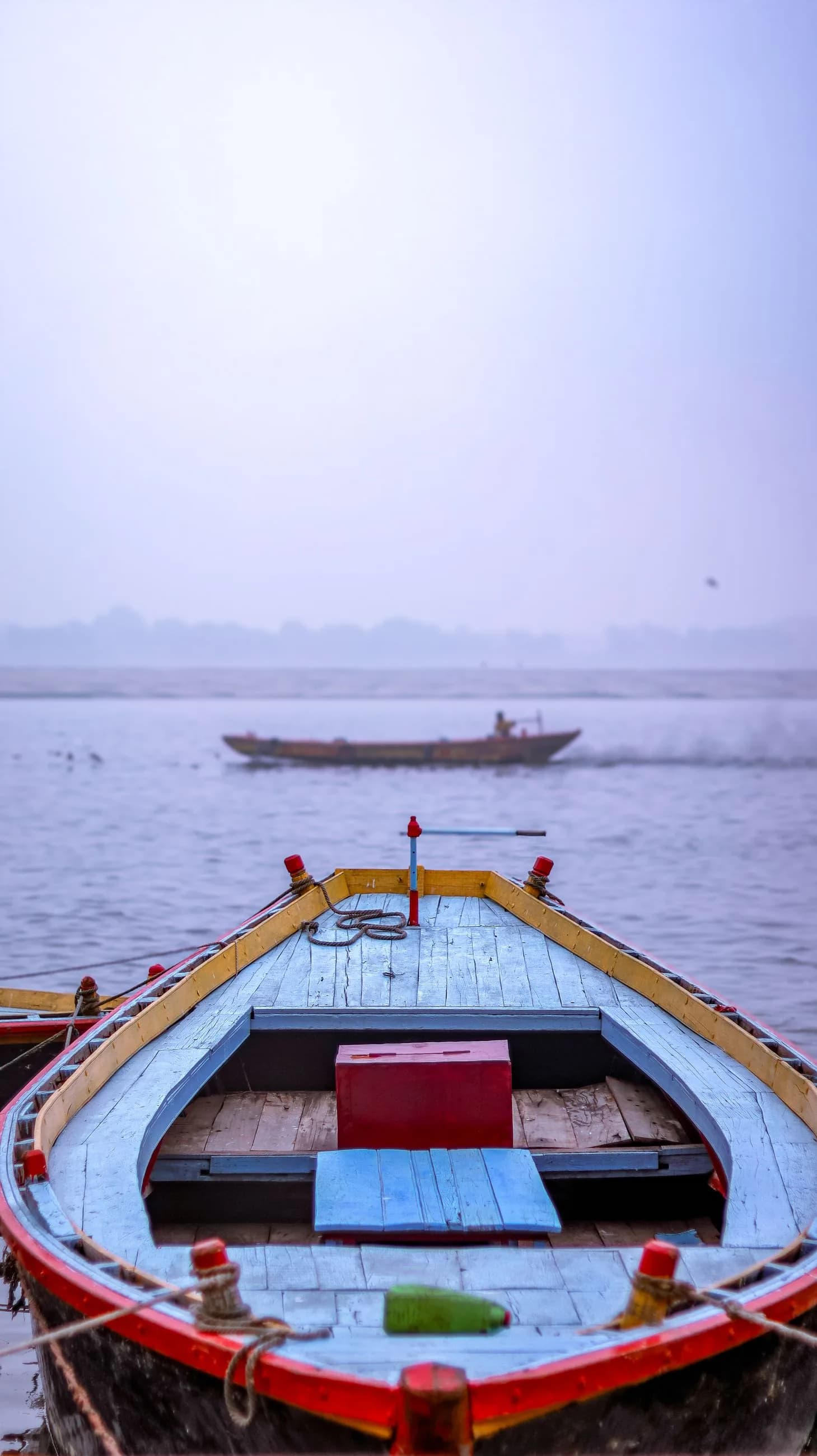
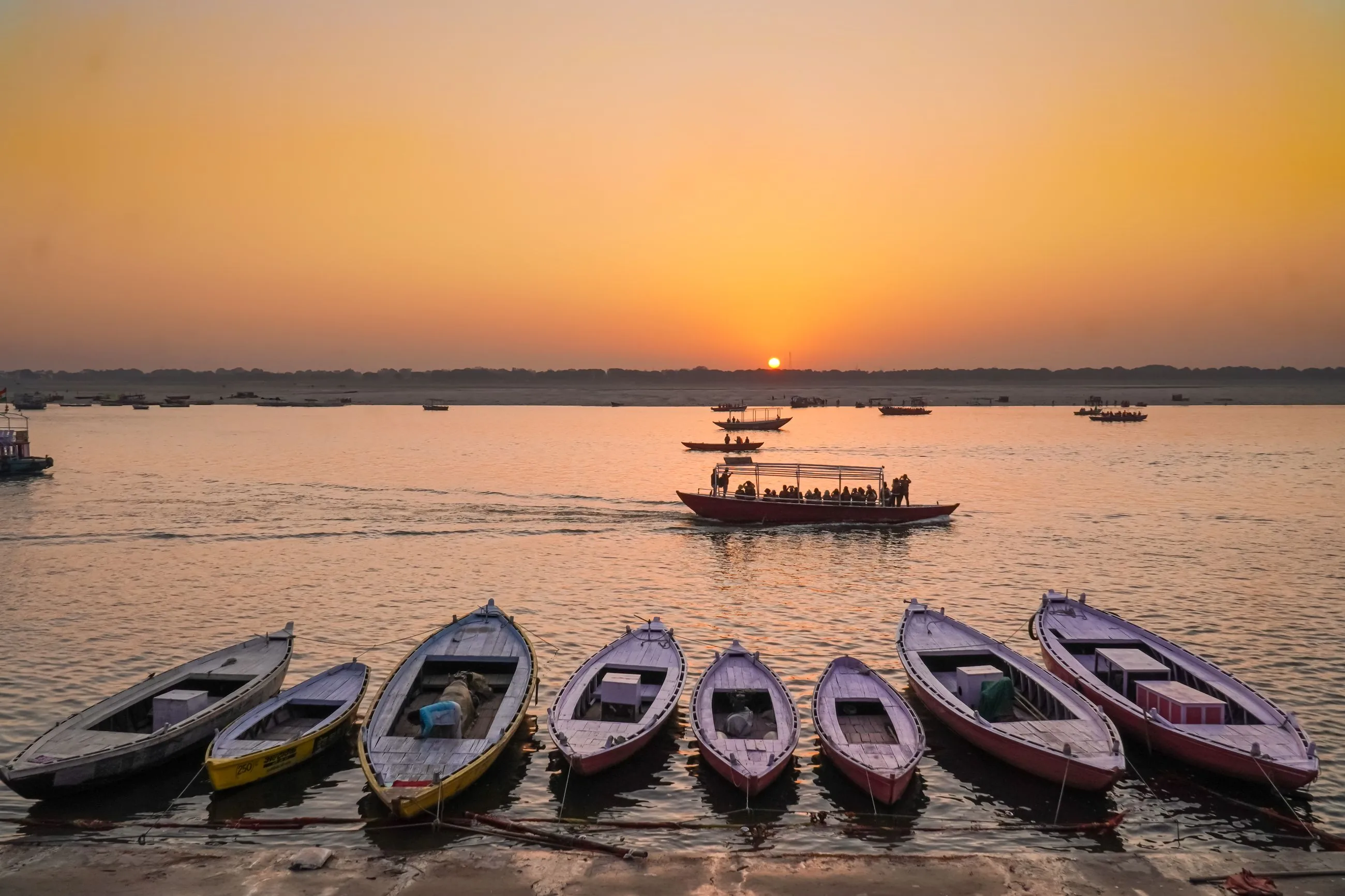
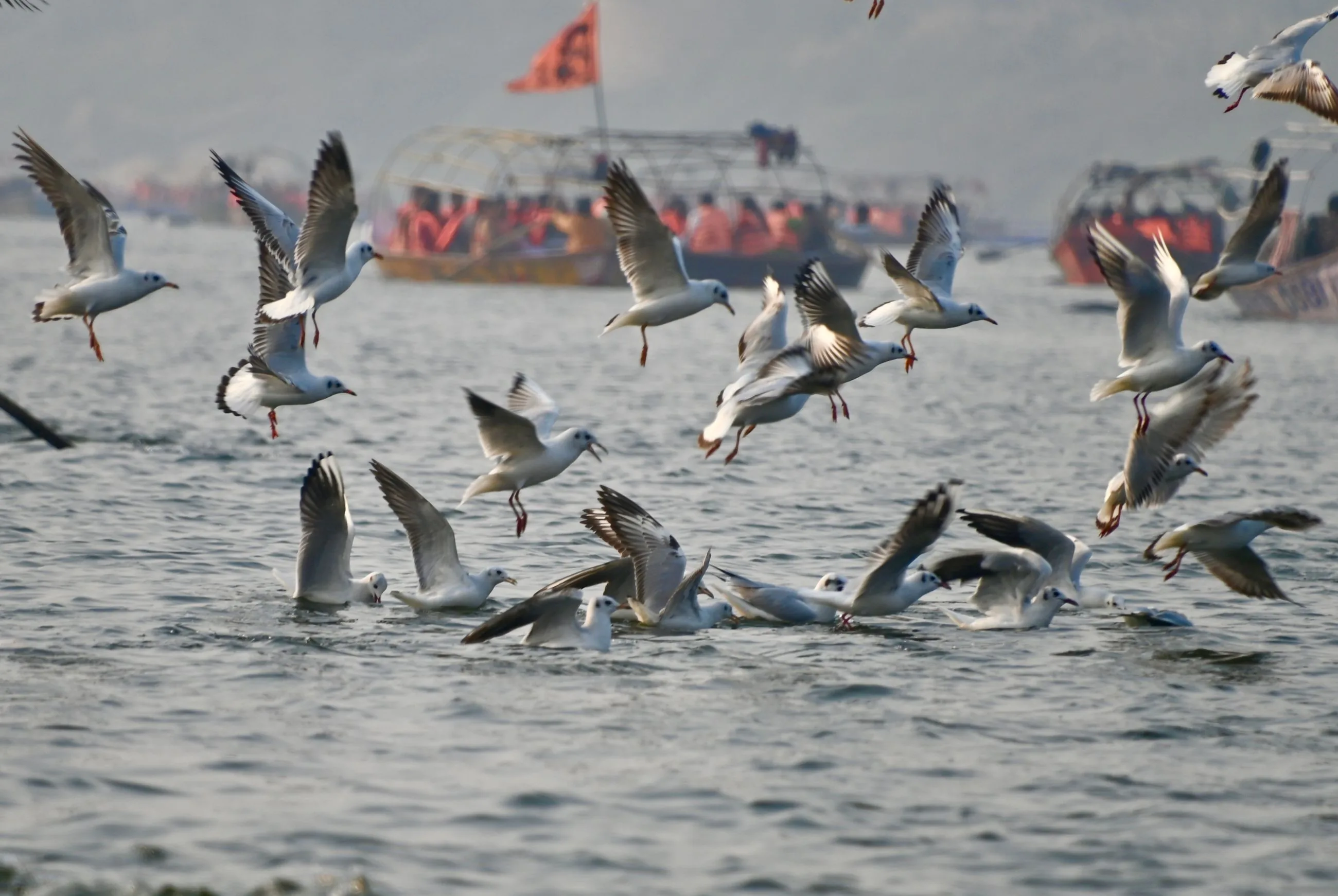
Varanasi usually has the longest stay, because it has the most to absorb and is the easiest place to arrive. Give the river a dawn, the temple a morning and the aarti an evening, with rest between. The River Wakes takes care of the first, and darshan and temple visit assistance can support the second within the temple's own rules. Prayagraj needs one night for most pilgrims, placed so the Sangam is seen in early light rather than the glare of midday. Boats to the confluence depend on river conditions and local orders, so a shore-side alternative is always kept ready.
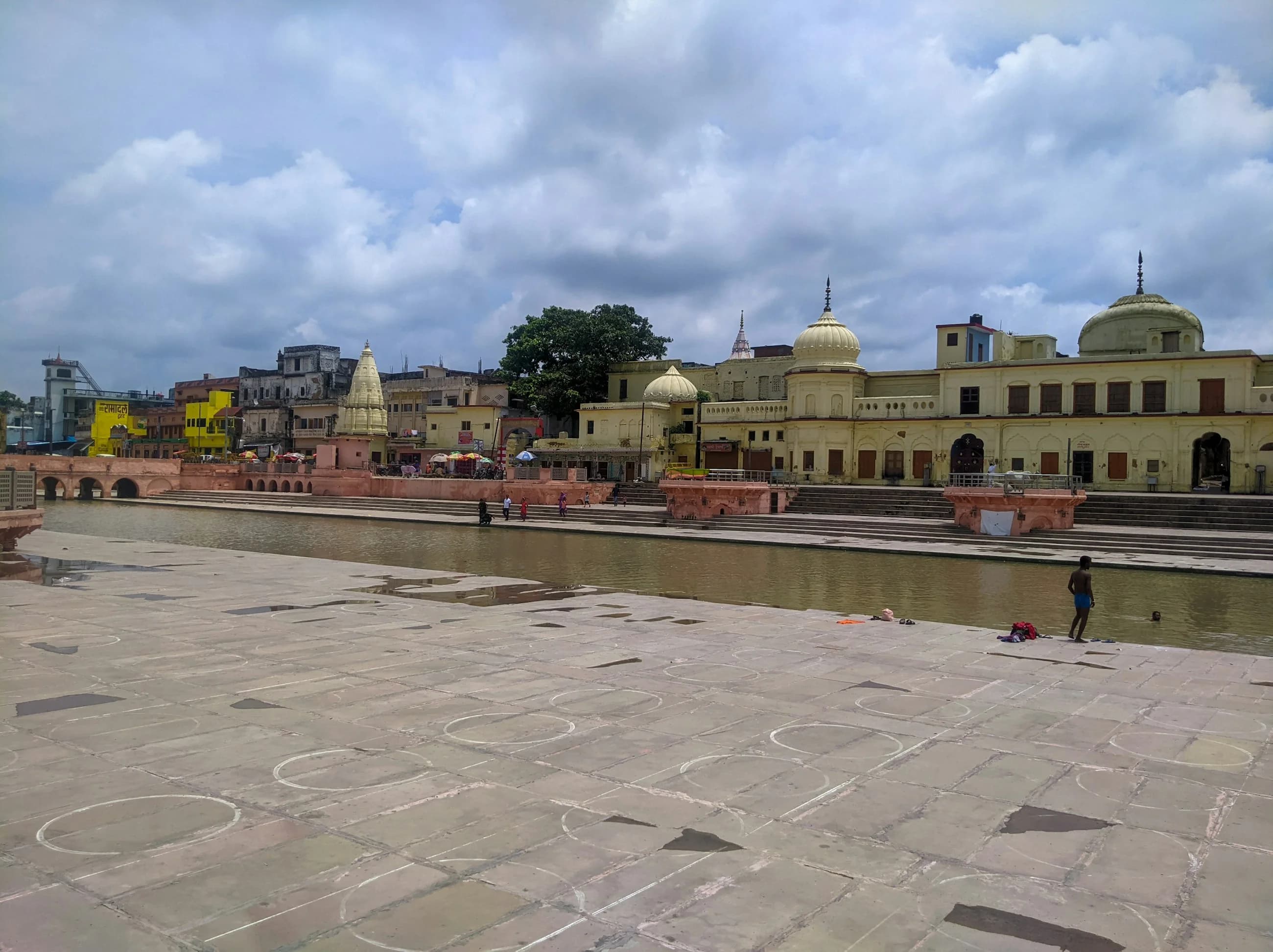
Ayodhya deserves a clear morning for the Ram Mandir, with no departure pressing behind it. Expect security checks, phones and bags deposited, and a long approach on foot; Hanuman Garhi's steep stair needs discussing in advance if anyone finds steps hard. Kanak Bhawan is gentler, and Ram Ki Paidi on the Sarayu is the place to let the day settle in the evening. If darshan in Ayodhya is the purpose of the trip, add a second night there, so the visit never sits against a train or a flight home on the same day.
Gateways at either end
Look at the whole route on one page before anything is confirmed. Varanasi has a well-connected international airport; Ayodhya's Maharishi Valmiki International Airport has direct domestic flights; Prayagraj has its own airport and a major railway junction; and Lucknow's airport, about 135 km from Ayodhya, is often the easier connection home. Arriving in one city and leaving from another usually saves a long backtrack. Winter fog in December and January can delay early flights and overnight trains, so the plan should never hang a temple visit on an optimistic arrival time at the start of the journey.
Check the calendar before the dates
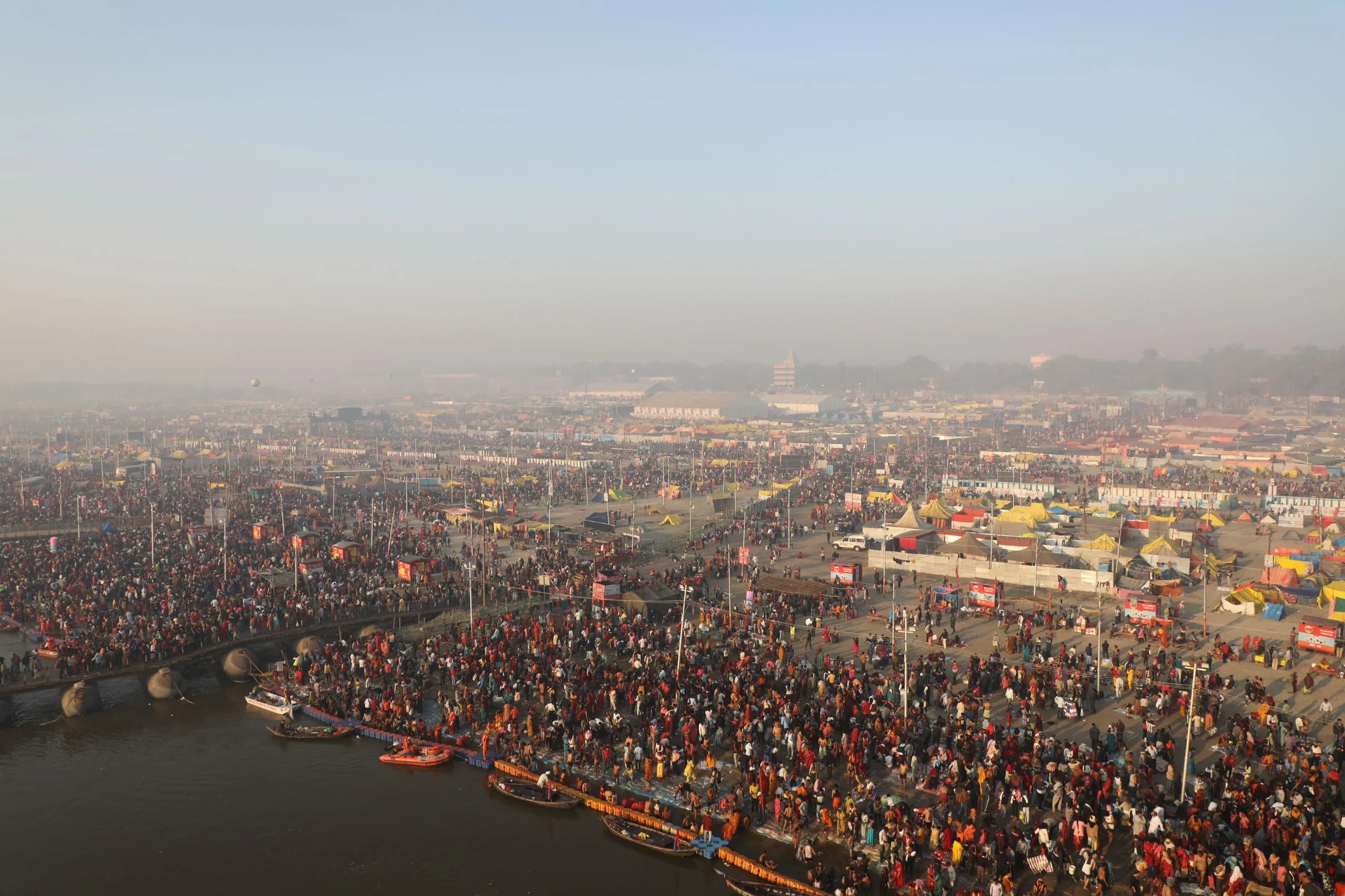
Festivals transform these cities and the roads between them. The Magh Mela fills Prayagraj's floodplain each January and February, with vast crowds and traffic diversions on the main bathing days. Ram Navami in spring and Deepotsav on the eve of Diwali bring Ayodhya its busiest days. Dev Deepawali lights the Varanasi ghats on Kartik Purnima, which falls on 24 November in 2026, and Shravan Mondays lengthen the queues at Kashi Vishwanath. Each is extraordinary to witness, and each needs rooms, cars and movement planned months ahead. Otherwise, choose quieter weeks for an easier pilgrimage.