Decide what the visit is for
Kashi means something different to each traveller. For some it is darshan at Shri Kashi Vishwanath, for others the river, the music, the food or the story of the Buddha's first teaching at Sarnath. Name the one or two things that matter most before choosing dates, because they decide everything else: where the hotel should be, which mornings stay free and how many nights you need. A family travelling for darshan with elderly parents plans very differently from a couple who want the ghats at dawn and the lanes after dark. Both are good first visits; they are simply not the same visit.
Choose the number of nights honestly
Three nights suit most first visits. That allows an arrival evening, a full day for the river and the old city, a half day at Sarnath and a final morning that is not rushed. First Impressions of Varanasi covers the essentials in two nights for those with less time. Varanasi at Your Pace stretches a temple-centred programme over three nights with rest periods for pilgrims who tire easily, and The Many Moods of Varanasi gives three nights to heritage, food, the river and Sarnath. These durations are suggested starting versions, so any of them can be lengthened once your party and pace are known.
Meet the river before sunrise
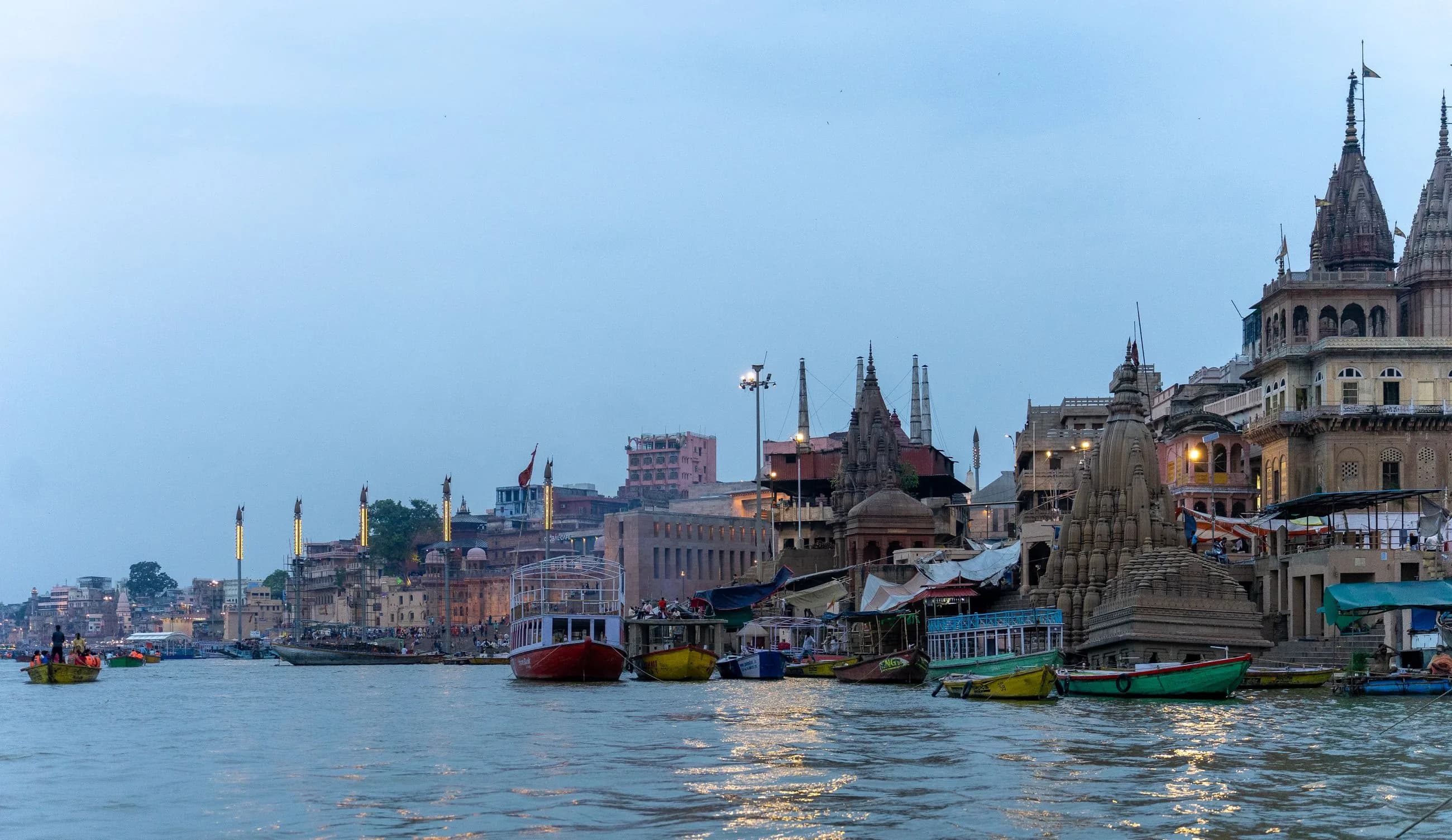
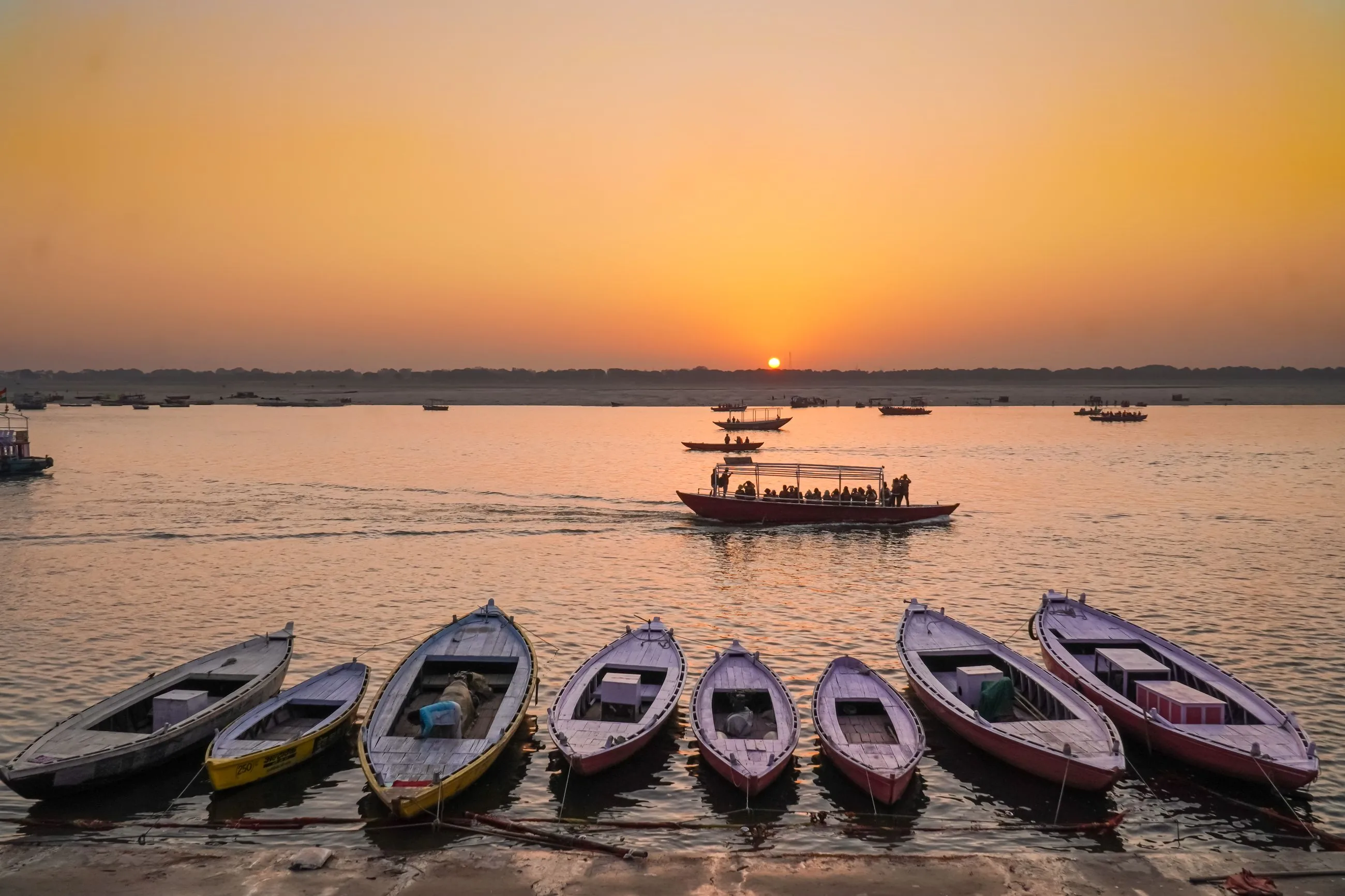
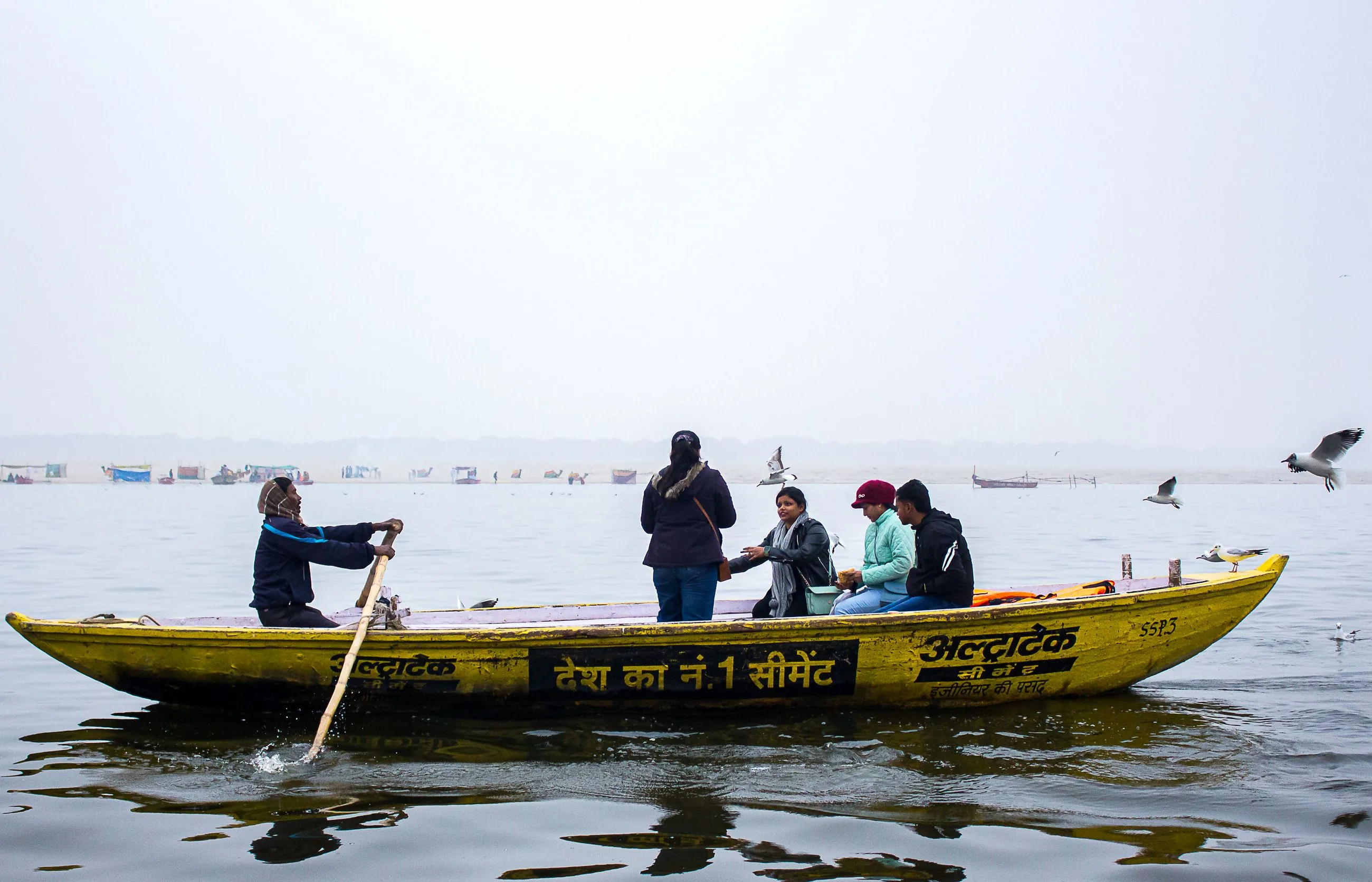
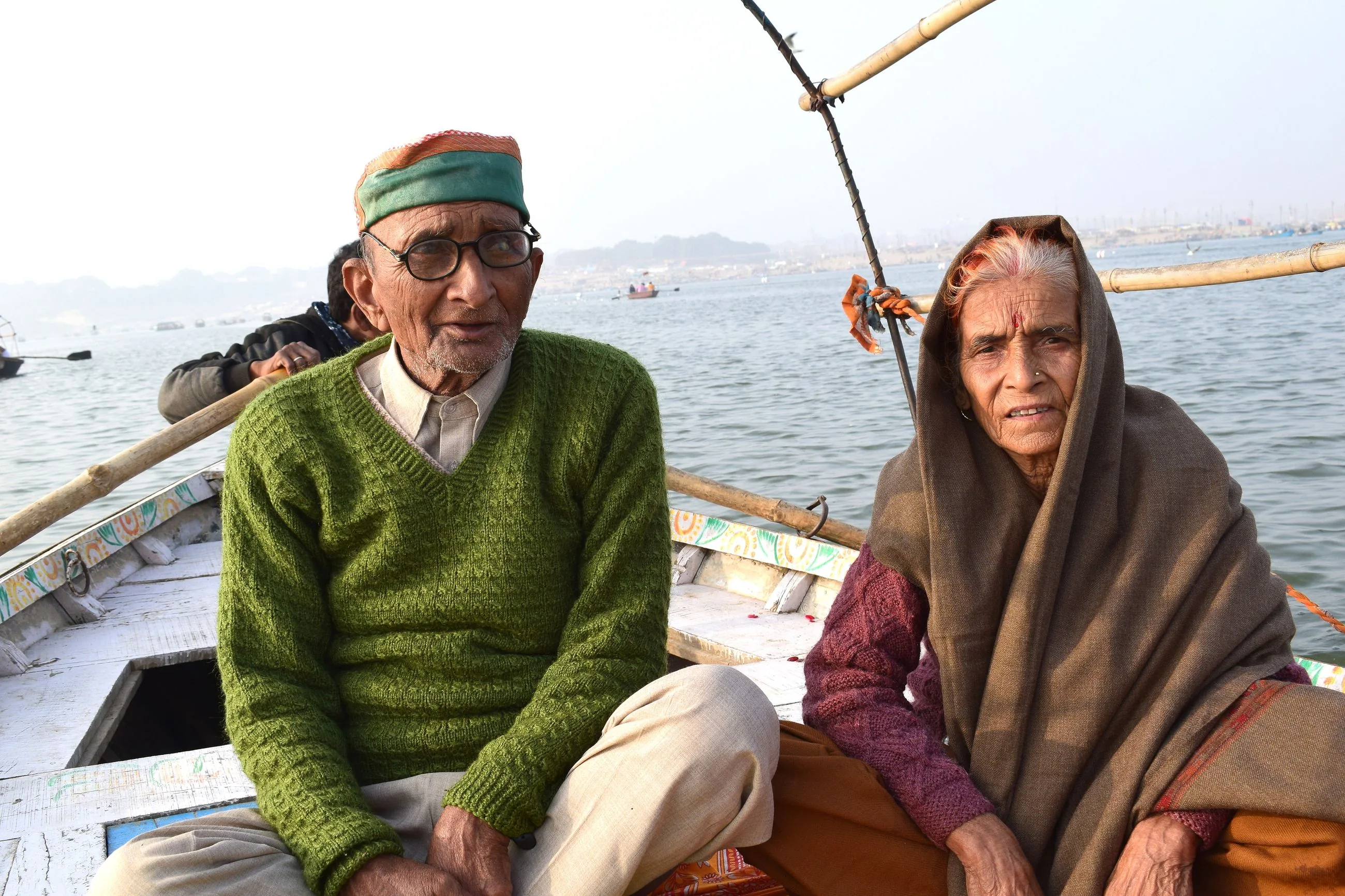
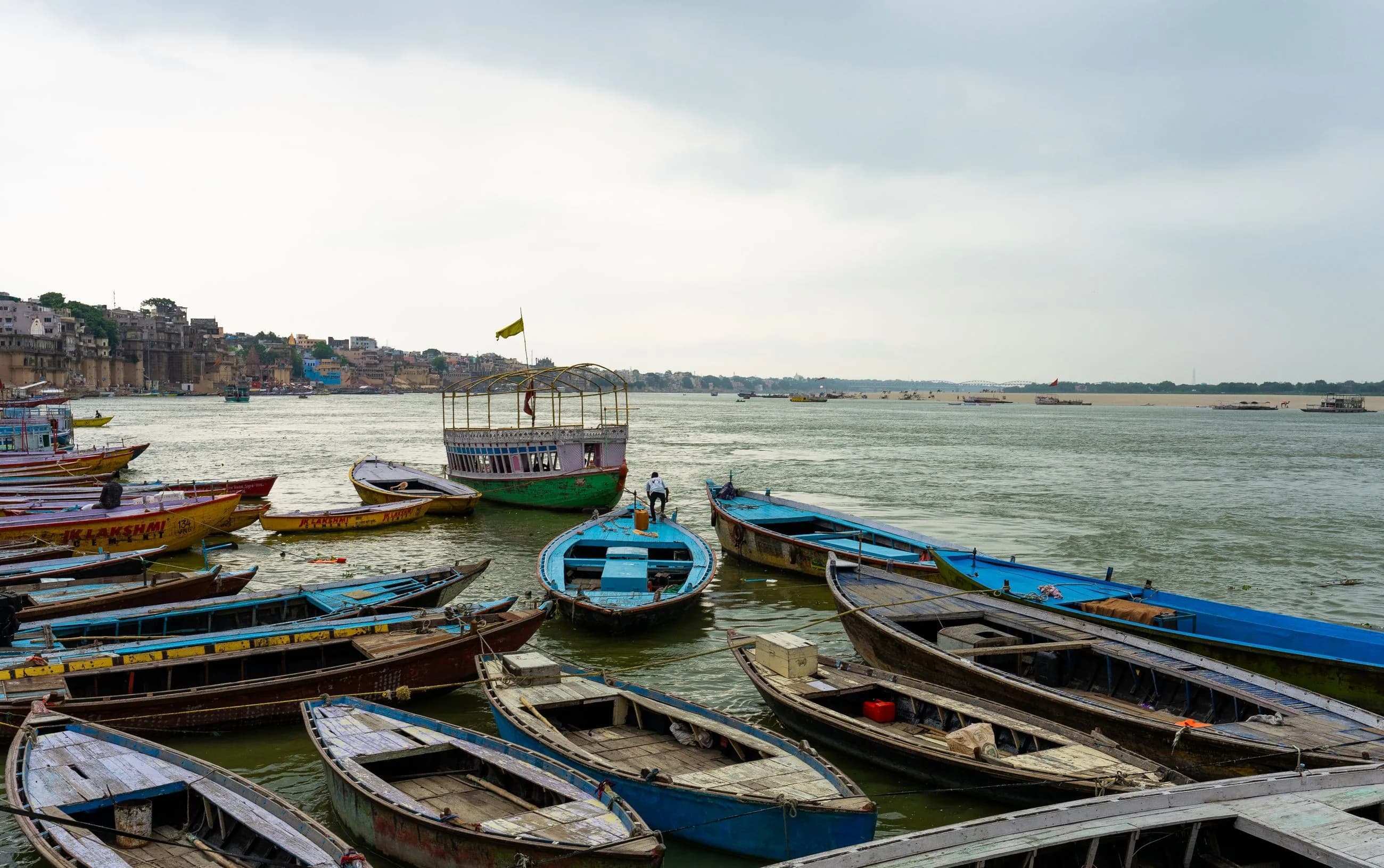
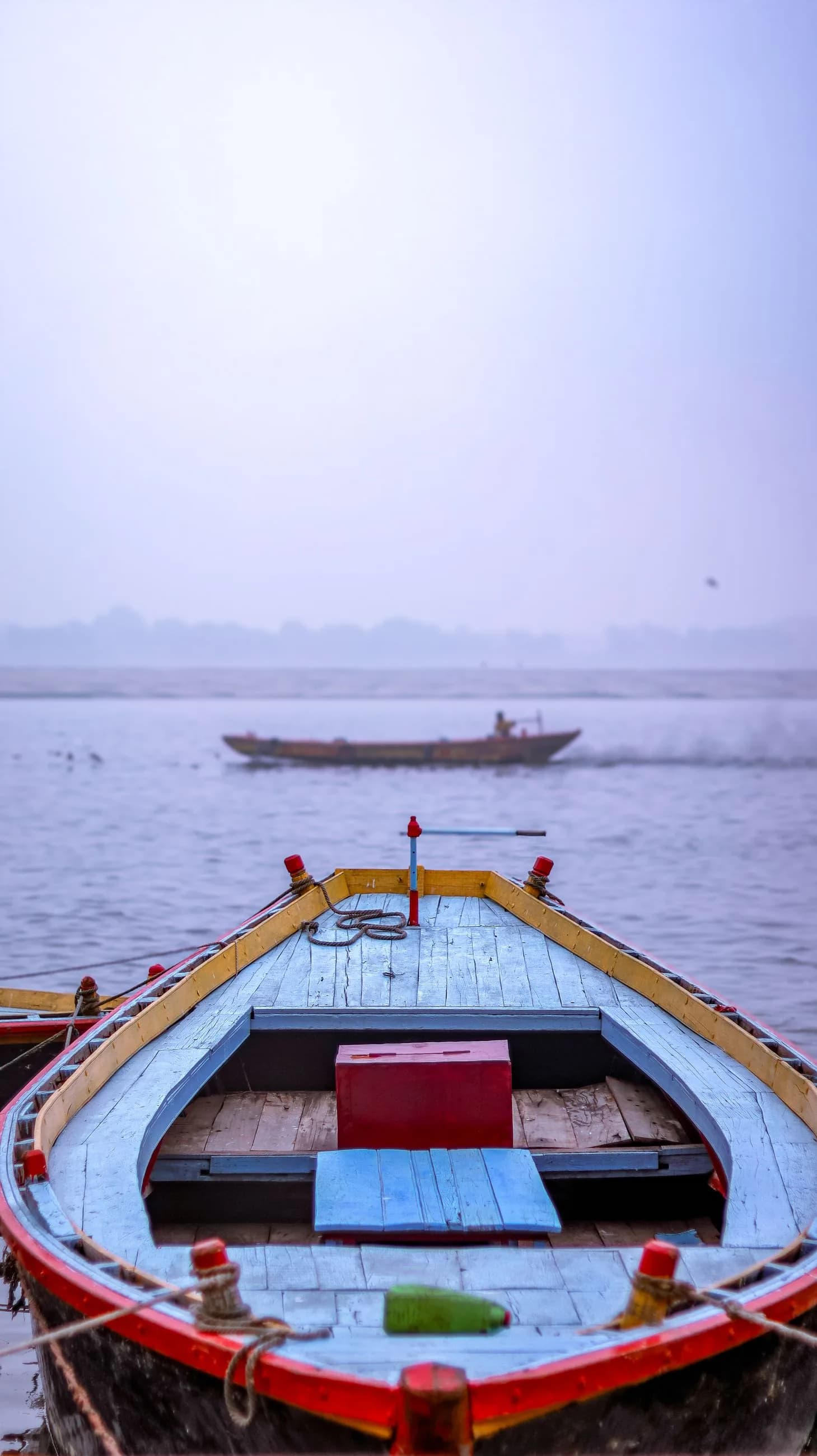
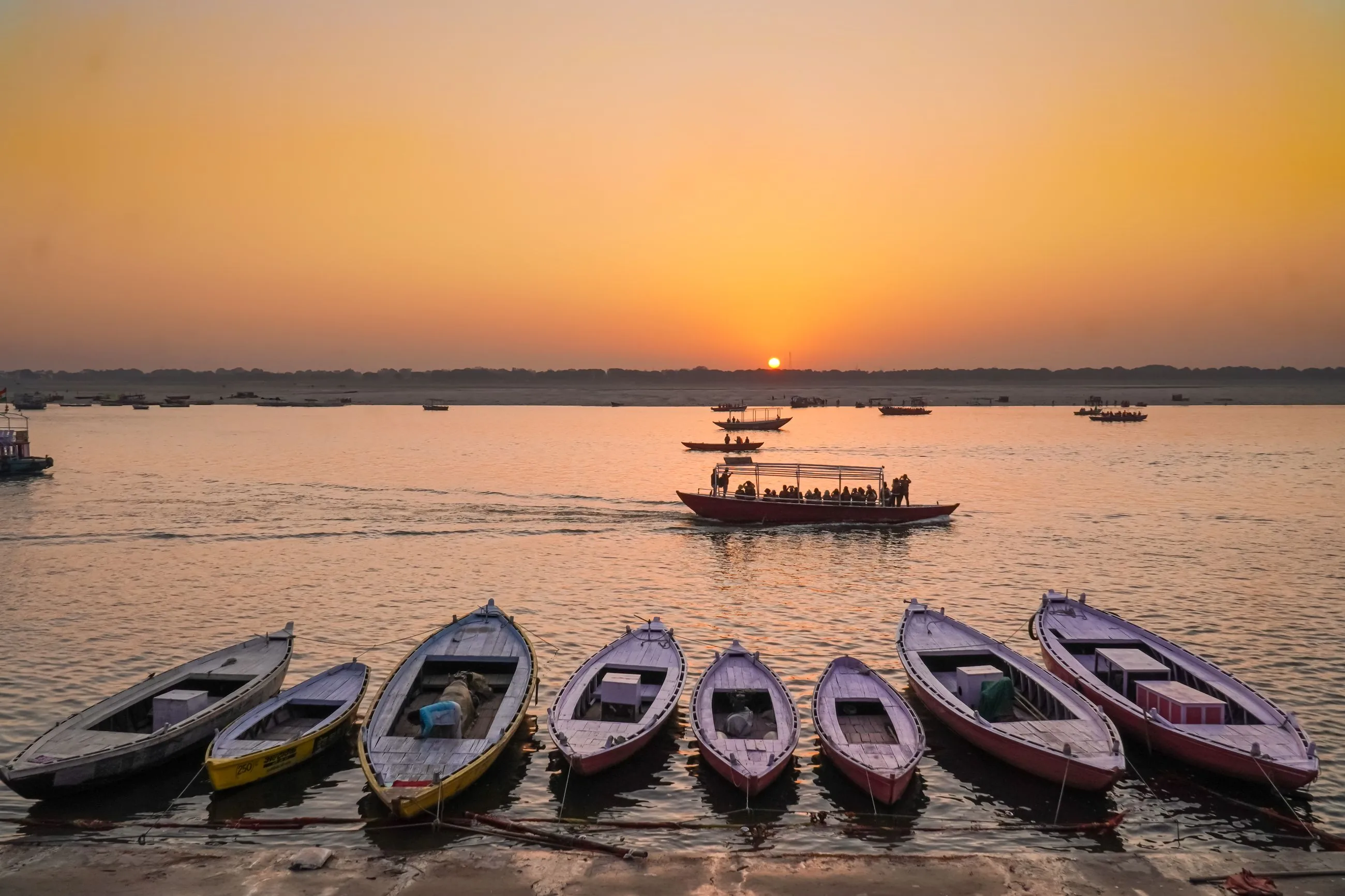
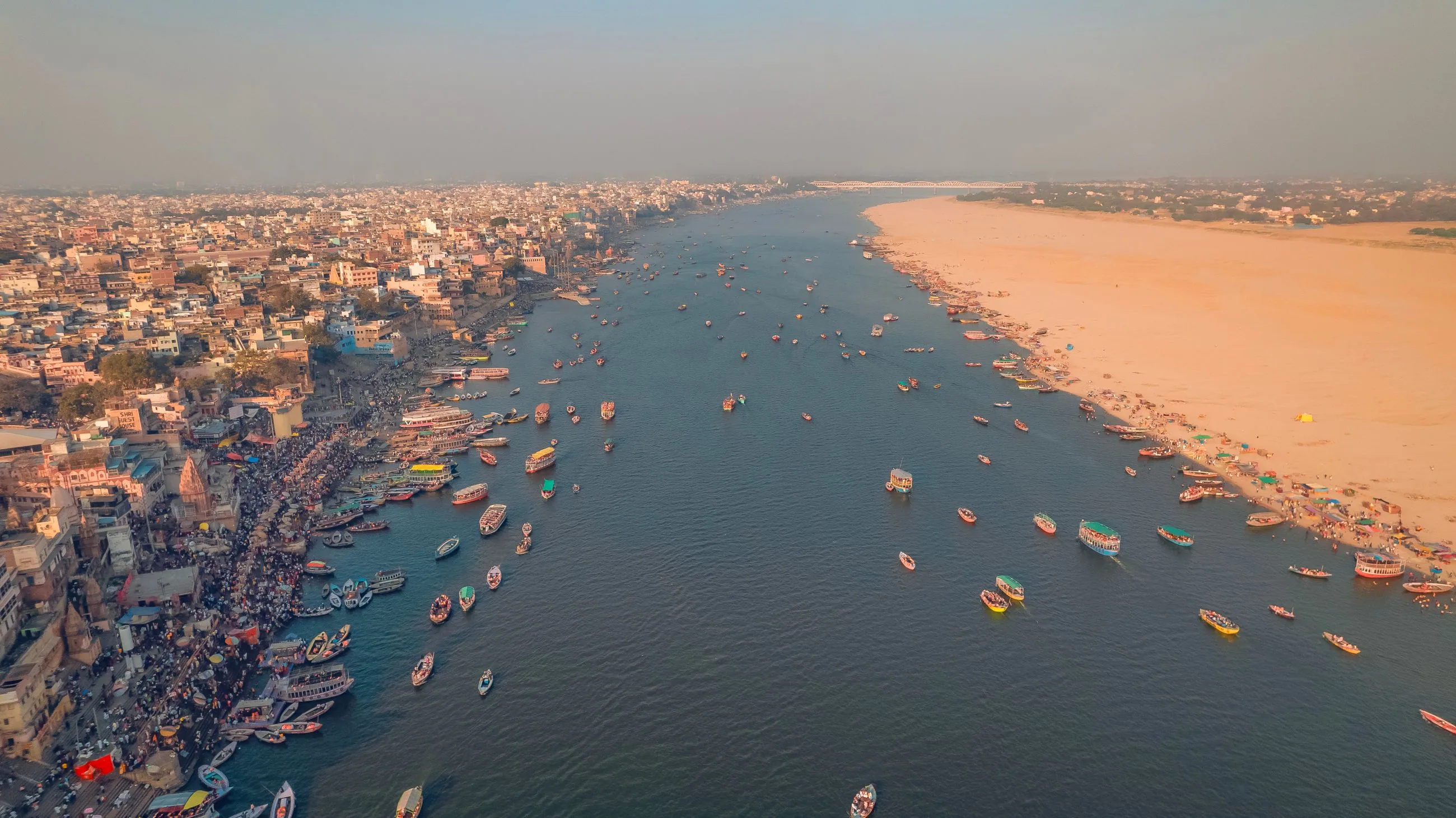
The ghats are the city's front steps, more than eighty of them along the western bank, and they read most clearly from the water. The River Wakes is a guided sunrise boat experience, timed so you are on the river as the light comes up behind the far bank and the steps fill with bathers, wrestlers and priests. Whether the boat is shared or private, rowing or motor, is stated in your quotation. Every outing depends on the river level, the weather and local orders; in the monsoon the administration often suspends boats for days, and the plan then moves to a ghat walk or another slot.
Some of what you see from the water is private. At Manikarnika and Harishchandra, the cremation ghats, families are performing last rites, and cameras stay down. A good boatman keeps a respectful distance without being asked, and a good guide explains what is happening without turning grief or worship into a spectacle. The same courtesy applies to bathers at prayer on every ghat you pass. That restraint is part of seeing Varanasi properly, and it is what the people on the steps are owed by every visitor who comes out on the river to watch the city wake.
Give darshan and aarti their own hours
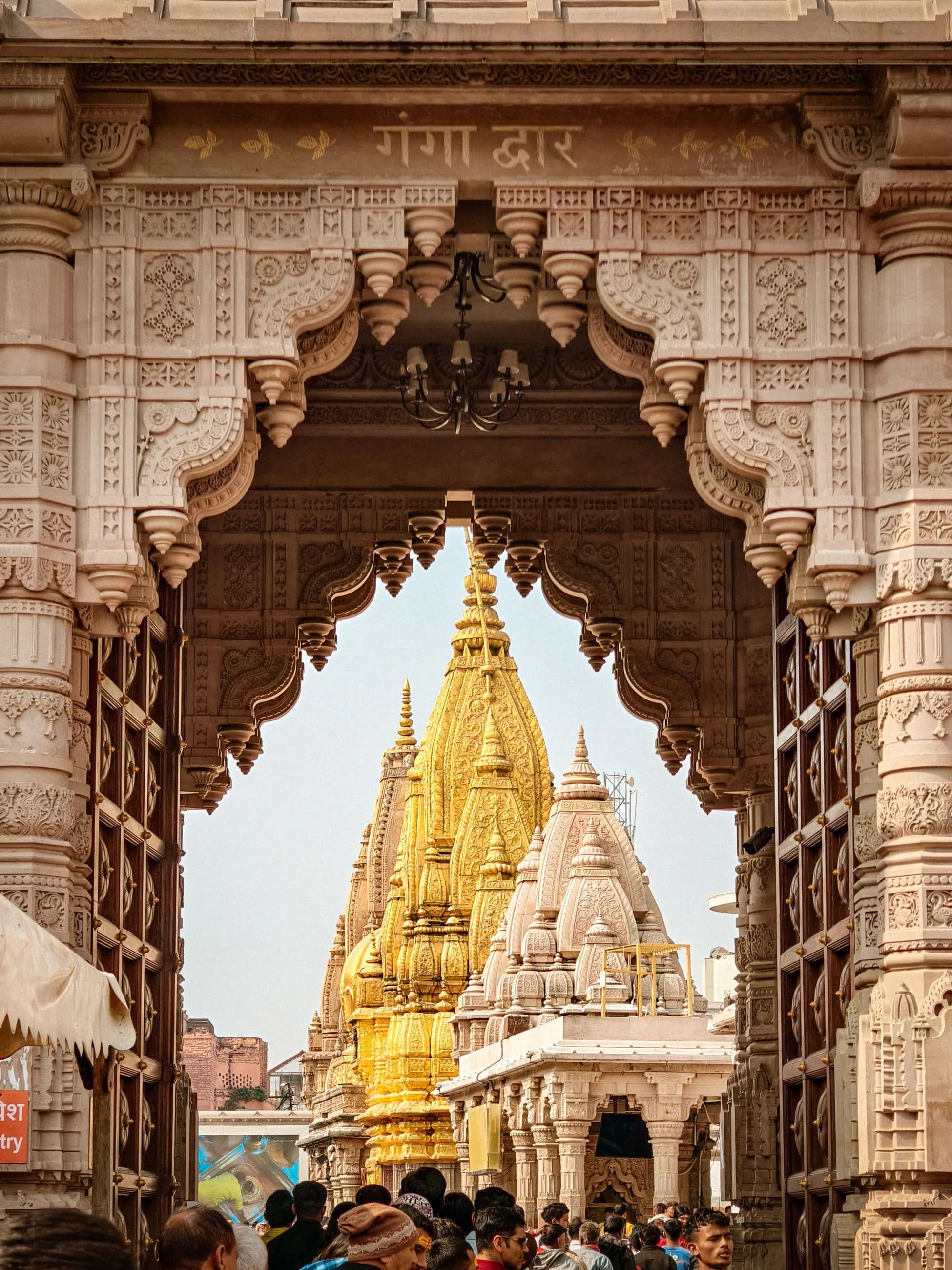
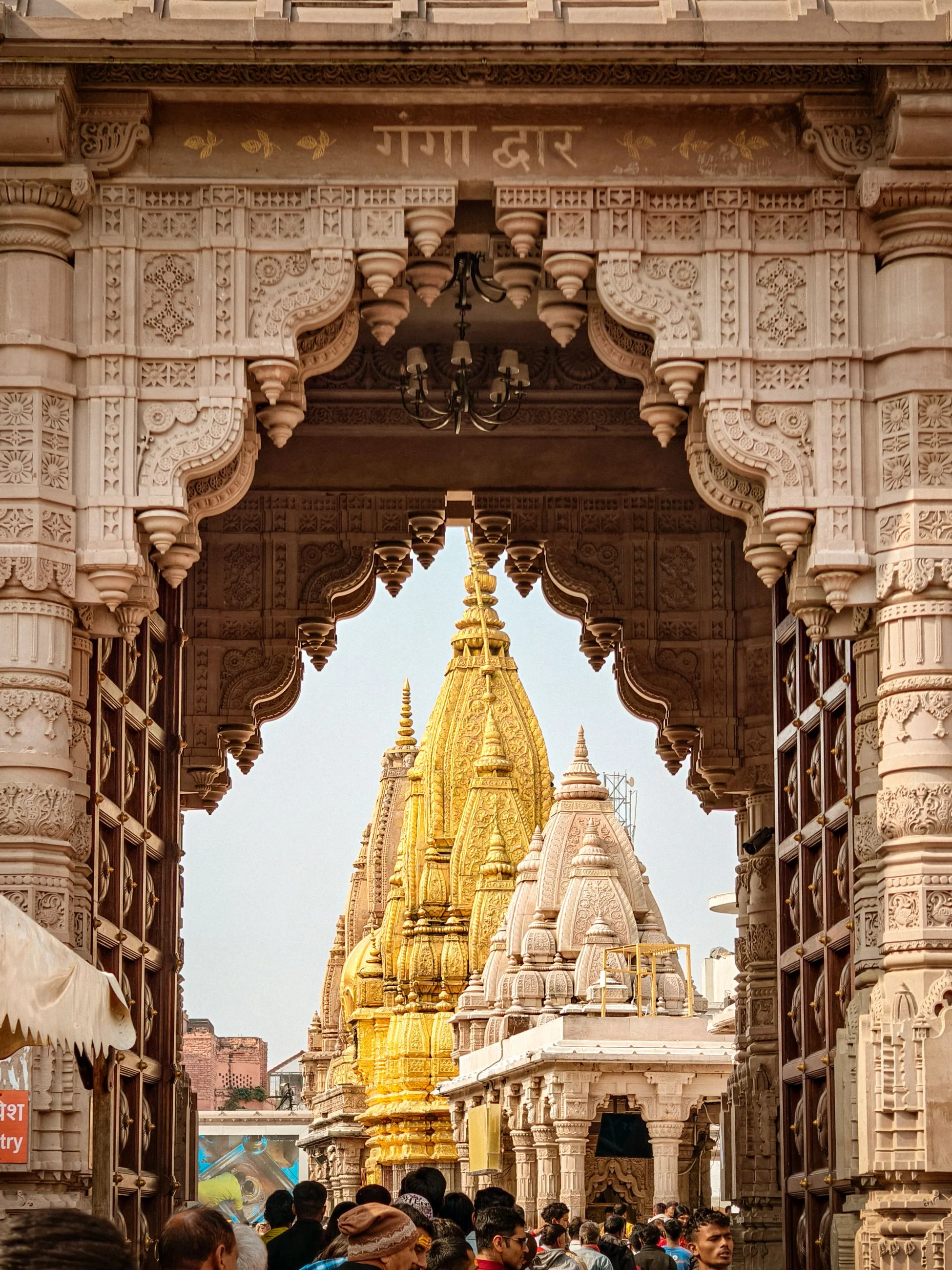
Shri Kashi Vishwanath, one of the twelve jyotirlingas of Shiva, deserves a part of the day with nothing pressing behind it. Phones, cameras and bags are not permitted in the temple zone, so they stay with your driver or at the hotel, and you will walk barefoot on stone. Queues lengthen on Mondays, through Shravan and at Mahashivratri. Darshan and temple visit assistance can include an accompanying person and, where the temple trust offers a legitimate paid option, a separately specified booking. Nobody can promise a time at the sanctum, and any arrangement is described exactly as it has been confirmed.
The evening Ganga aarti at Dashashwamedh is a different kind of occasion: a row of priests, brass lamps lifted in slow arcs, conch shells and a crowd that builds from late afternoon. Evening on the Ganges is a defined river programme with an optional aarti viewing arrangement from the water, which spares you the crush on the steps. Plan the return as carefully as the approach, because the lanes fill quickly once the ceremony ends. Those who prefer fewer people around them can attend the dawn programme at Assi Ghat, known as Subah-e-Banaras, on another morning instead.
Leave room for the lanes and Sarnath
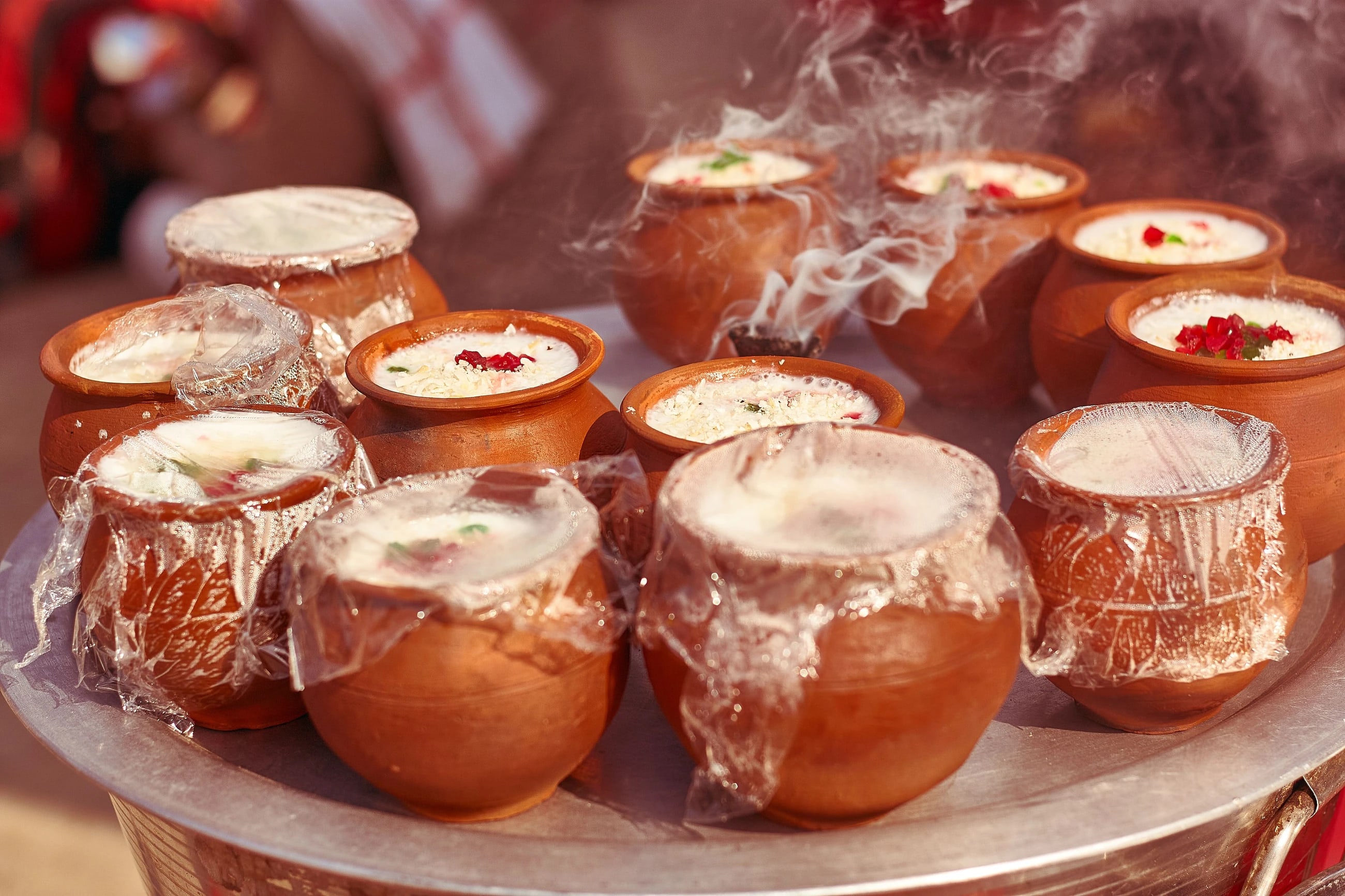
Behind the river, the old city is easiest to understand on foot with someone who knows it. Sacred Kashi Walk explains the lanes, shrines and religious context, including where darshan boundaries lie, and A Banarasi Morning is built around breakfast favourites and neighbourhood stories. Sarnath, about ten kilometres away, is where the Buddha gave his first teaching, and since July 2026 it has been a UNESCO World Heritage Site. Sarnath with a Specialist Guide gives it a proper half day. The site museum is closed on Fridays, so that day is fixed first and the rest of the week is arranged around it.
Keep the first evening light
The first evening should ask very little of you. The airport at Babatpur is about 25 km from the city, the drive takes longer than the map suggests, and cars stop well short of the river. Winter fog often delays morning flights and overnight trains from December to January, so nothing important should hang on an arrival time. An early dinner, a short walk to a quiet ghat and a proper night's sleep set up the dawn boat far better than an ambitious first afternoon. Kashi rewards the traveller who arrives rested and leaves at least one session of the stay unplanned.