Plan around the person who tires first
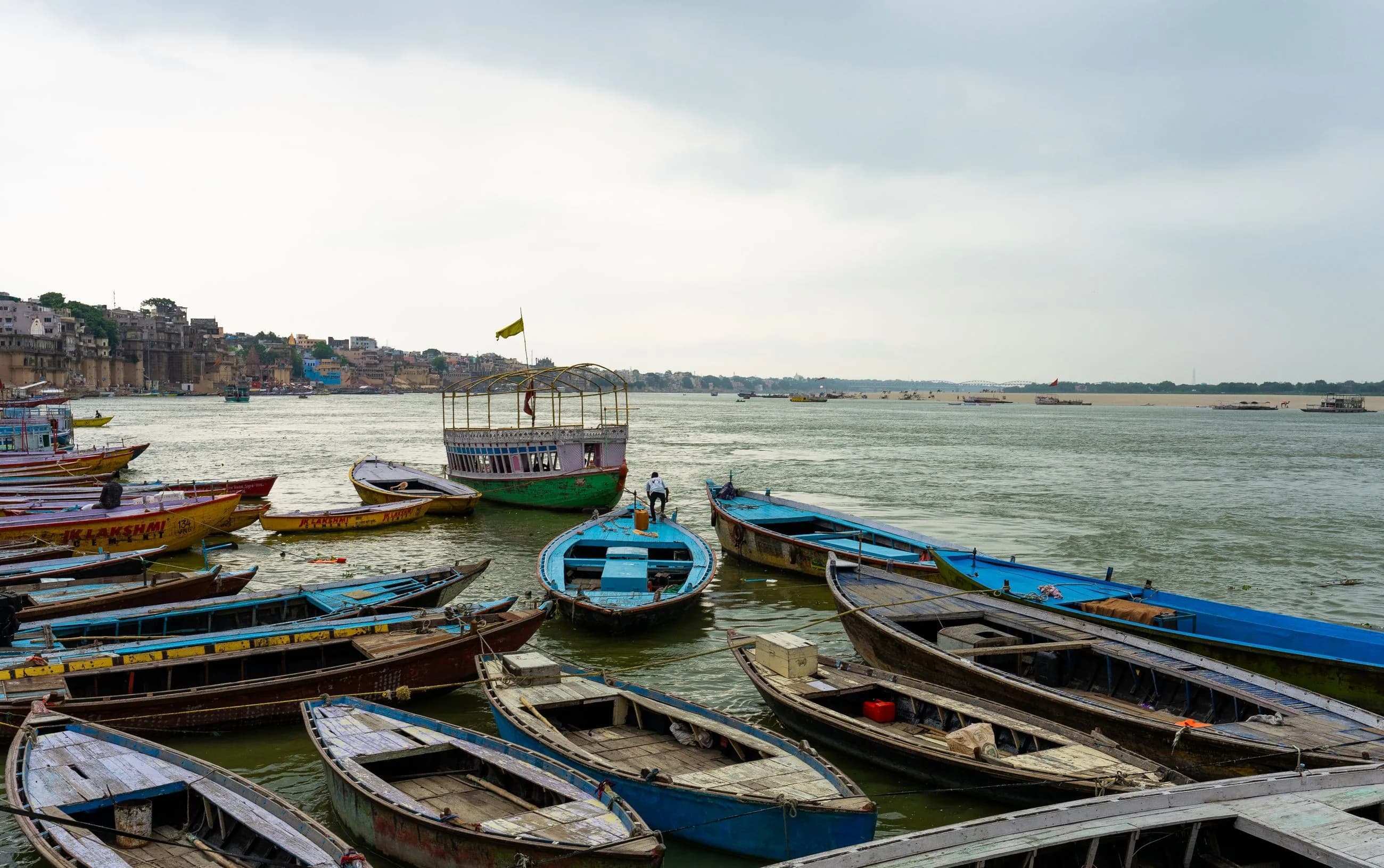
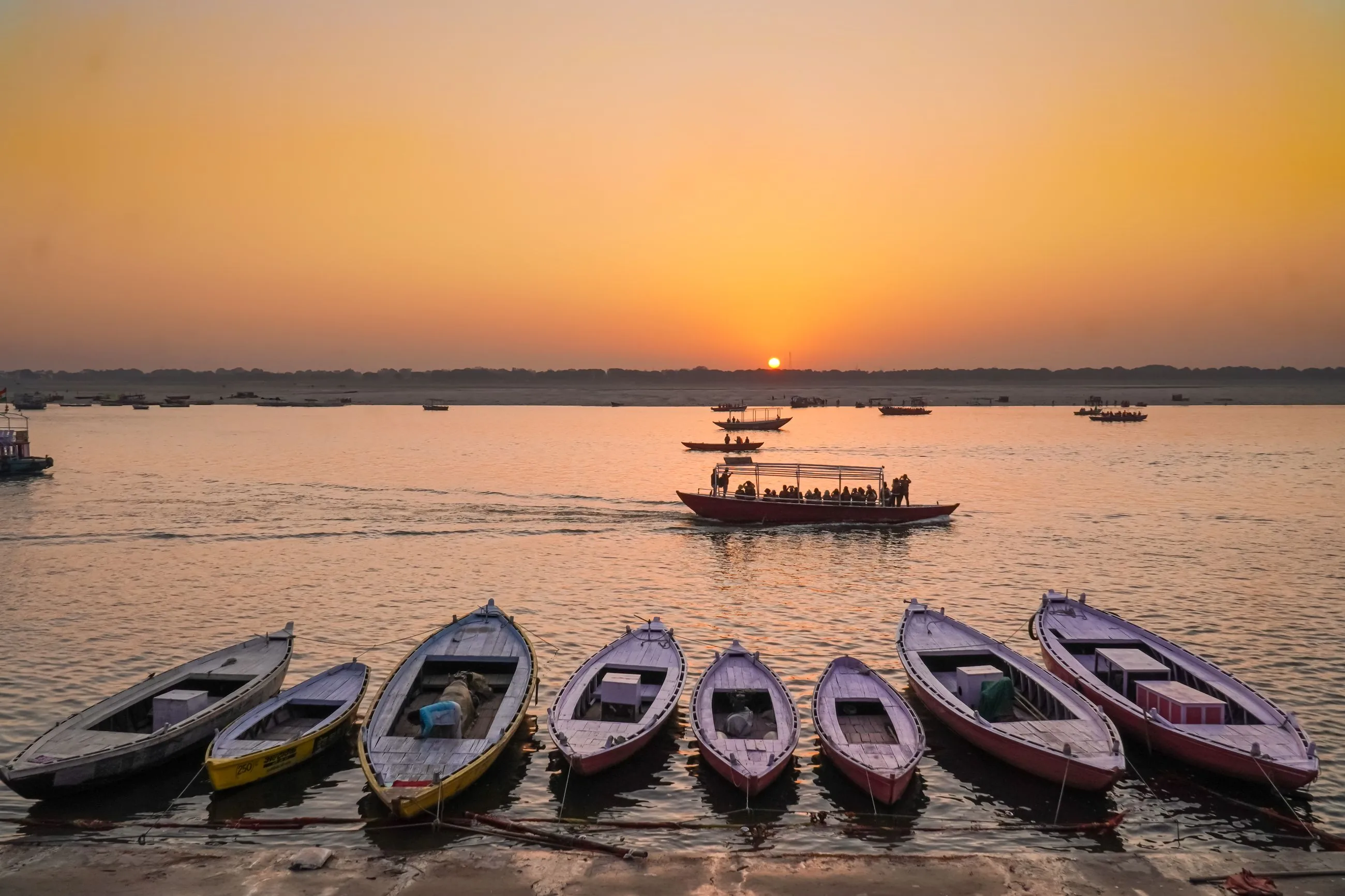
On any journey with older parents, the traveller who tires first sets the pace for everyone. In practice that means one substantial outing a day, usually in the cool of the morning, followed by lunch and real rest. It means fewer hotel changes, more nights in each place and no day that combines a long drive with a demanding temple visit. Varanasi at Your Pace is built on exactly this rhythm, with rest periods written into the programme rather than left to chance. A slower plan is not a lesser one; it is the plan your parents finish with energy and goodwill to spare.
What SHRAVAN adds
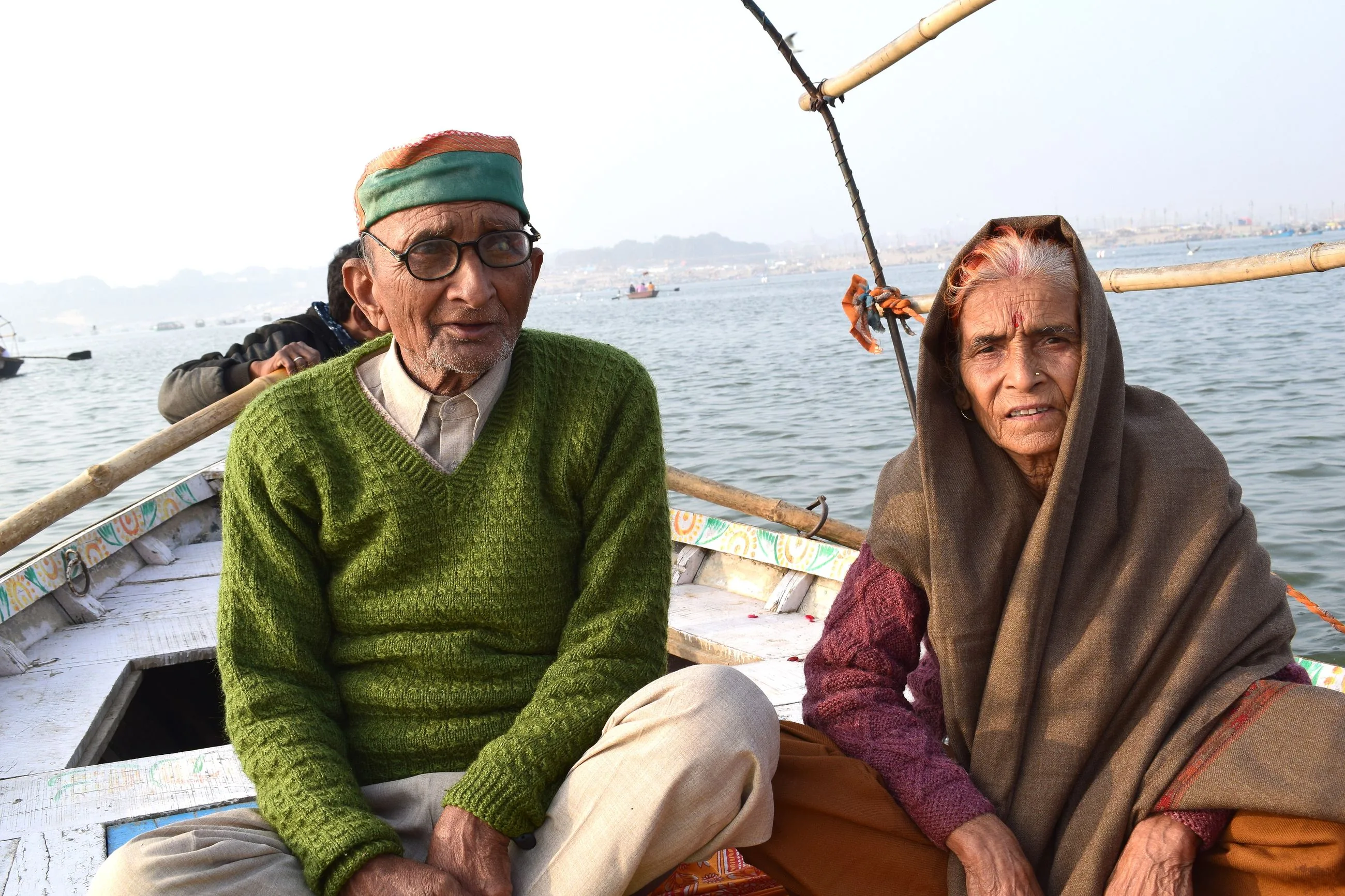
SHRAVAN by Tourmelloh is the collection of thoughtfully accompanied journeys for parents and senior travellers, including trips arranged by overseas or busy adult children. Named accompaniment, suitable pacing and assessed assistance are part of every SHRAVAN journey at every tier, and they stay in place while the journey belongs to the collection. SHRAVAN Varanasi follows Varanasi at Your Pace, while SHRAVAN Varanasi and Ayodhya and SHRAVAN Sacred Confluence follow their parent itineraries with pacing adjusted. A SHRAVAN selection triggers a staff review of mobility, meal routines and assistance scope, and that review may recommend a longer duration.
The senior travel companion at the heart of SHRAVAN has a defined, non-medical scope: walking alongside, managing pacing, helping with queues and steps, and keeping the day moving at the right speed. It is not nursing or personal care. Where a parent needs specialist care, that is a separate request, assessed and delivered only by a qualified provider, and the general enquiry form is not a medical assessment. Being clear about this boundary from the start protects your parents and sets honest expectations for everyone involved, including the people who will be walking beside them each day.
Separate the booker from the traveller
Many SHRAVAN journeys are booked by a son or daughter in another city or country. The booking contact and the travelling parent are recorded separately, because they need different things: you may want updates and the quotation, while your parents need a clear daily plan and someone to call on the ground. Family updates, photographs and location sharing happen only with the traveller's permission, agreed before departure. Talk to your parents about what they are comfortable sharing. Some welcome a daily message home; others would rather enjoy the journey and tell the stories once they are back.
Steps, queues and darshan
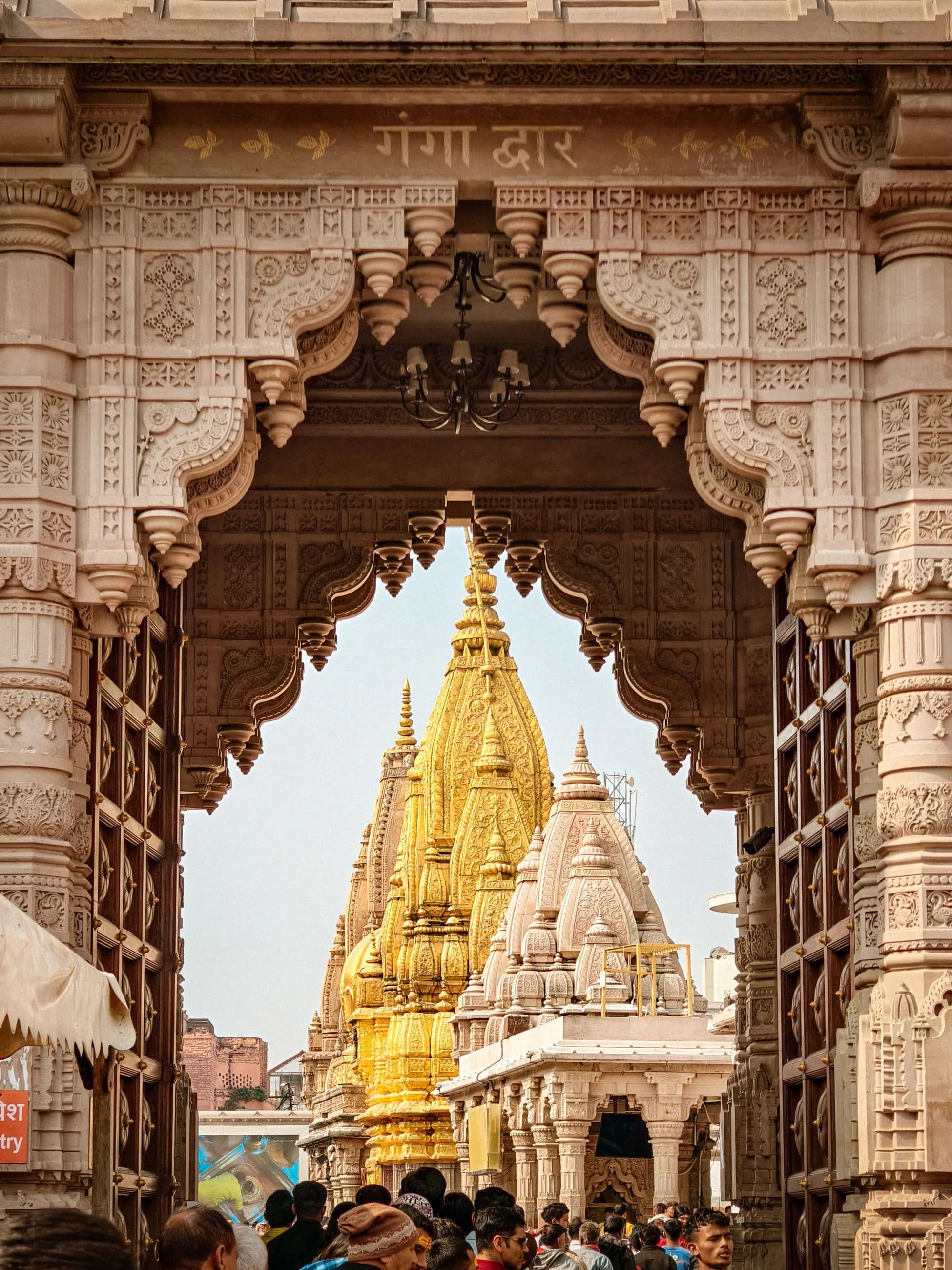
Temples are often the reason for the journey, and they need the most thought. At Kashi Vishwanath, phones stay outside and the approach is barefoot on stone; in Ayodhya, the Ram Mandir involves security checks and a long walk, and Hanuman Garhi has a steep stair. Darshan and temple visit assistance can provide an accompanying person and any legitimate booking the temple itself offers, but no one can promise a time at the sanctum or a way around the queue. Discuss stairs openly over breakfast: those who climb go at their own pace, and those who wait do so in the shade.
Wheelchairs, porters and the last fifty metres
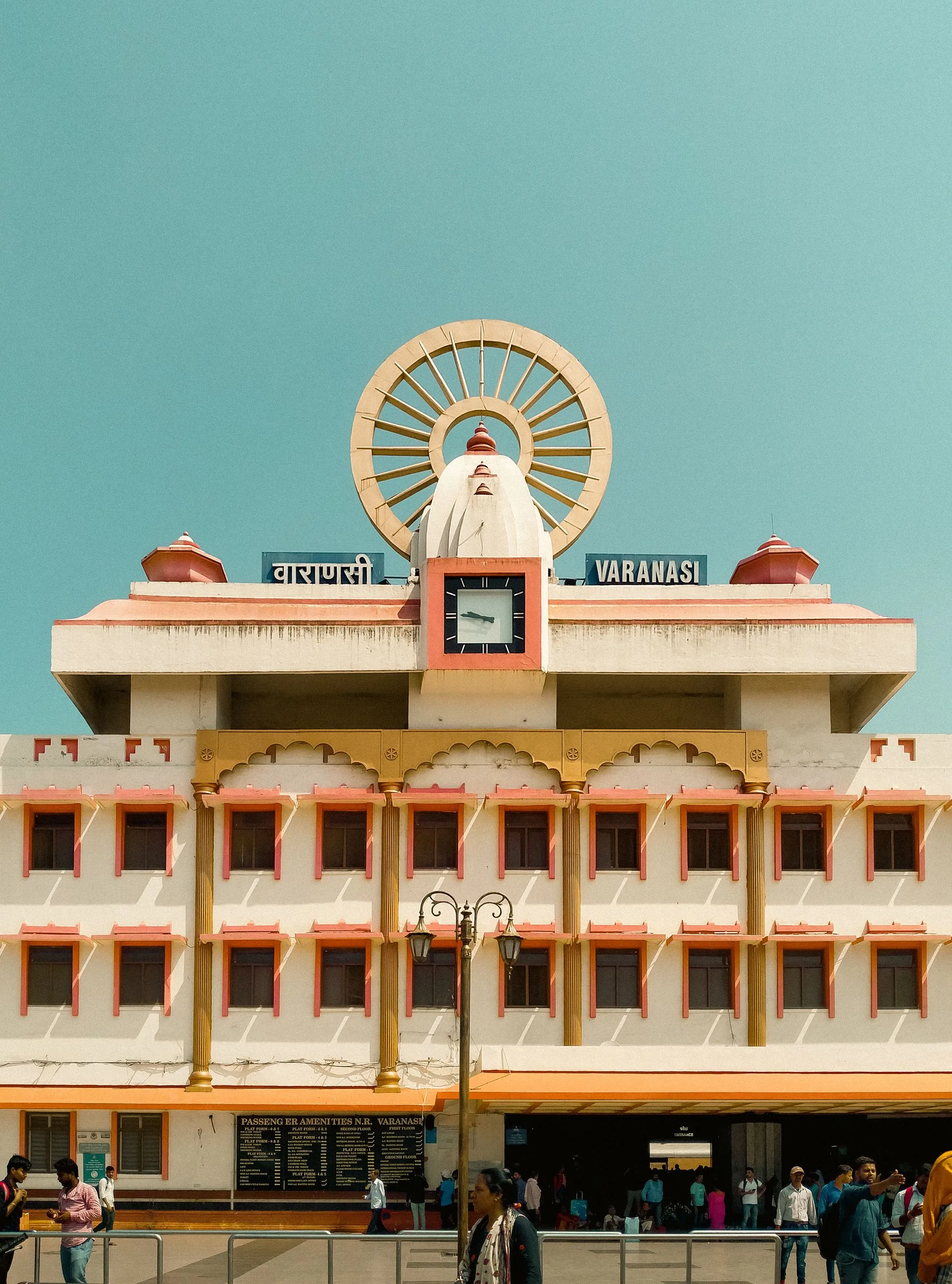
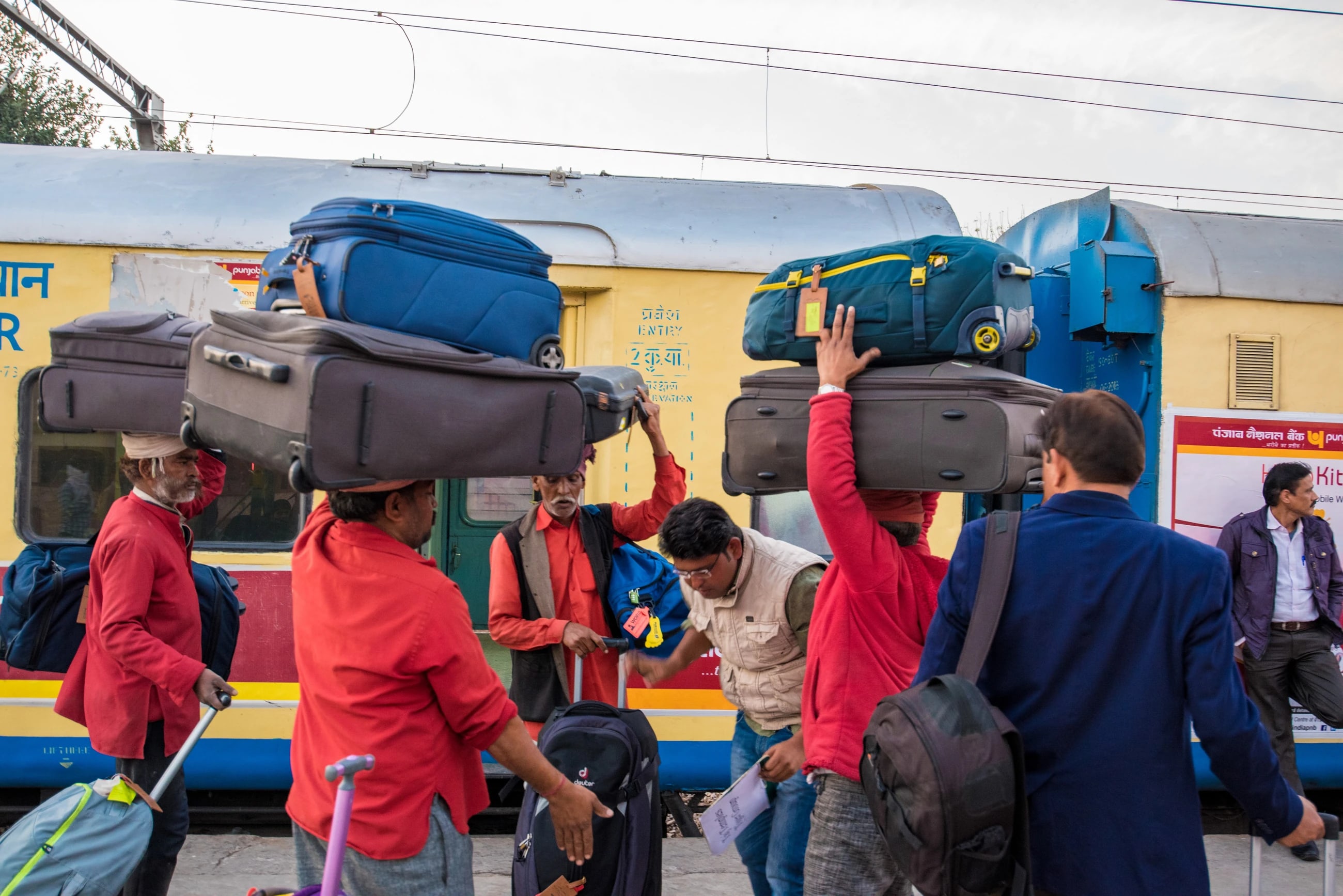
The distance that matters most is between the car and the bed. Ask where the car stops, how many steps lie before reception, whether there is a lift and how far the room is from it. Wheelchair and mobility assistance distinguishes between equipment and a person to push or support, and every route is assessed rather than described as fully accessible. Luggage and porter assistance can cover stations and riverside hotels that cars cannot reach. Arrival welcome and assistance means someone meets your parents at the agreed point and helps them to the car, within a scope stated in advance.
Meals, rest and the right season
Food is where older travellers feel a journey most, and it is the easiest thing to get right. Share dietary routines in advance, whether pure vegetarian, Jain, without onion and garlic, or simply mild, along with meal times that suit any medication. Build afternoon rest into every day. Season matters too: October to March is the comfortable window in Varanasi, Prayagraj and Ayodhya, though dense fog in December and January can delay trains and flights, and April to June brings punishing heat. Carry medicines in hand luggage with their prescriptions and a written note of conditions and allergies.