Two towns, one airport
Gaya and Bodh Gaya are about fifteen kilometres apart in Bihar, share an airport and a railway junction, and are often spoken of as one place. They are not. Gaya, renamed Gaya Ji by the state government in May 2025, is a Hindu pilgrimage city where families perform ancestral rites. Bodh Gaya is the small Buddhist town around the Mahabodhi Temple, where the Buddha attained enlightenment. Each draws pilgrims from across the world, for completely different reasons, and a journey planned for one does not automatically include the other, however close they look on a map.
Gaya: the city of ancestral rites
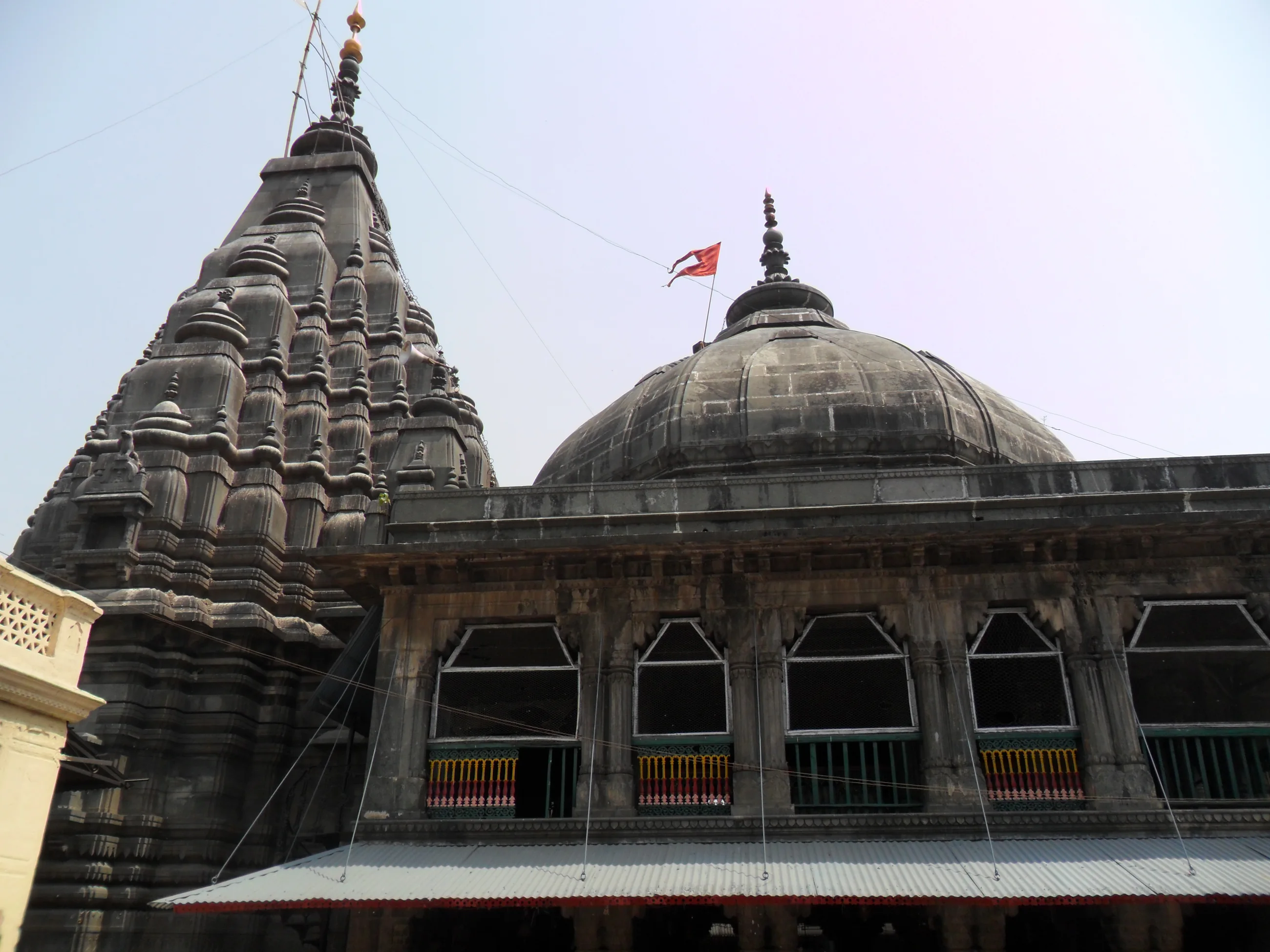
At the heart of Gaya is the Vishnupad Temple, built over a footprint in rock that tradition identifies as Vishnu's, beside the Falgu river. Families come to perform pind daan, the offering of rice balls for departed ancestors, at the temple and at a network of altars along the riverbank and the surrounding hills. Rites are usually led by Gayawal priests, many of whose families keep records of the pilgrims they have served over generations. Entry to the Vishnupad sanctum is restricted to Hindus. The busiest season is Pitru Paksha, the fortnight of ancestors in September or October.
Bodh Gaya: the seat of awakening
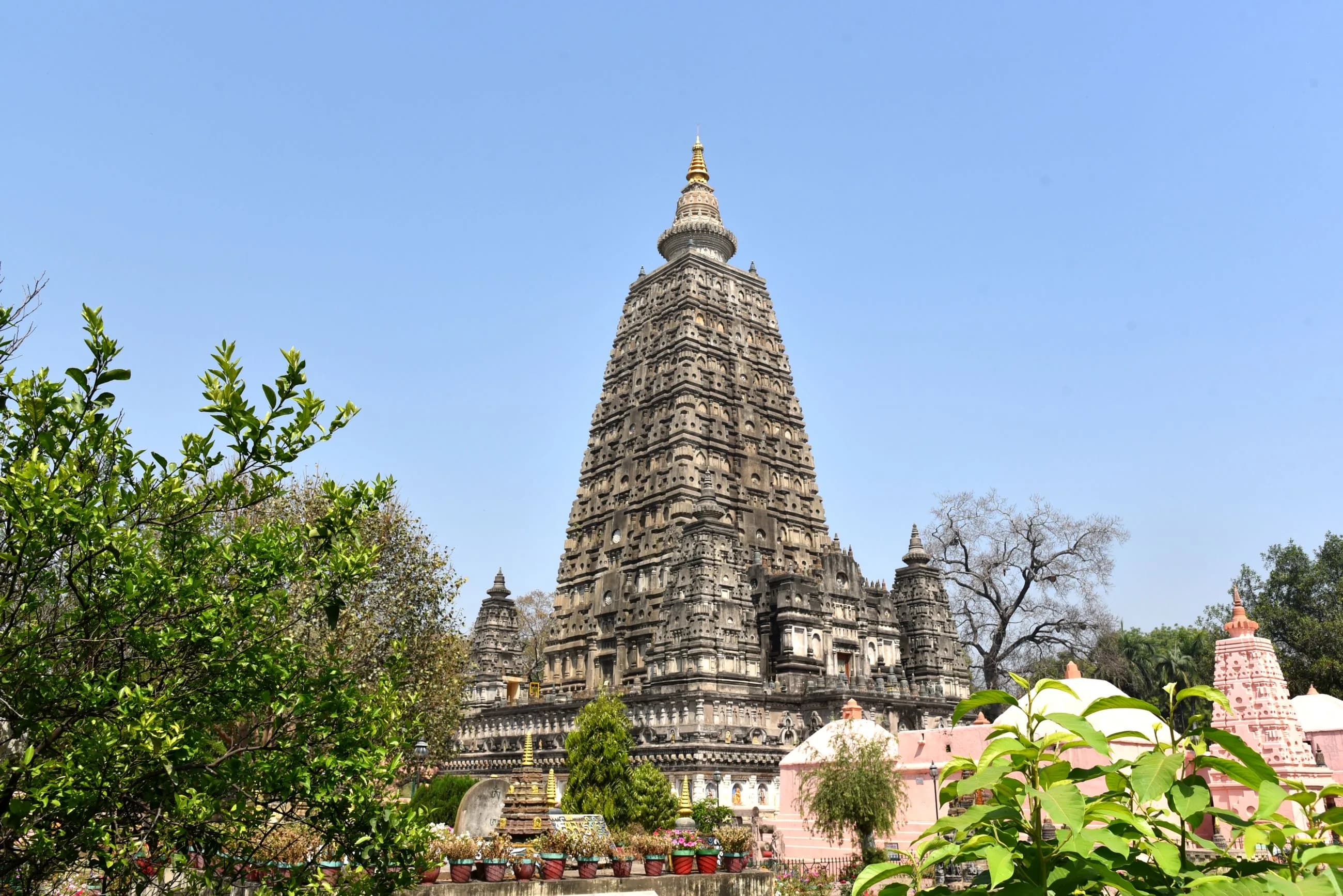
Bodh Gaya's centre is the Mahabodhi Temple, a World Heritage Site, with the Bodhi Tree and the Vajrasana, the diamond throne where the Buddha sat. Around it stand monasteries built by Buddhist communities from many countries, each in its own architectural style. Visitors of every faith are welcome, provided they dress modestly, walk clockwise and keep voices low. The town's busiest months are December and January, when monastic traditions hold large prayer gatherings. Bodh Gaya pairs naturally with Sarnath near Varanasi, and Awakening & the First Teaching is the journey that joins the two places.
Why the distinction matters in planning
Because the towns are so close, it is easy to assume a visit to one includes the other. On Tourmelloh journeys it never does by default. A Hindu rites journey does not include a Buddhist programme, and a Buddhist pilgrimage does not include rites in Gaya, unless either is expressly added. This protects both experiences. Rites in Gaya can take a morning, a full day or several days depending on family custom, and squeezing the Mahabodhi into the afternoon afterwards serves neither well. The same applies in reverse: a meditative day at Bodh Gaya should not end with a rushed ritual.
Arranging rites properly
If ancestral rites are the purpose of your journey, they are scoped individually before anything else is fixed. Pind Daan and ancestral rites arrangements begin with the questions that matter: which rite, which family tradition, at Gaya or another requested site such as Kashi, how many altars, how many participants and on which dates. Priest and ritual coordination then covers the priest, materials, timing and charges, all confirmed in writing. The length of the journey follows the rite, rather than the rite being fitted around a fixed itinerary, which is why rites-led journeys are planned on request.
Agree the priest's role and dakshina before the ritual begins, so that no one is negotiating during a moment of grief. Bring simple, modest clothes, often white or light colours, and a change for after bathing at the river. Photography of the rite is a family decision, and other families' rituals are never photographed. If older relatives are taking part, discuss seating, since many rites involve sitting on the ground for long periods. Some altars, such as Pretshila, are reached by long flights of steps and can be left out or visited by the younger members of the family.
Visiting both, deliberately
Many families do want both: a rite for a parent in Gaya and a visit to the Mahabodhi out of respect or curiosity. That is entirely possible when it is planned. Give each its own time, usually the rites in the morning and Bodh Gaya on a separate day or as a later, unhurried visit. Mention both when you enquire, and both are written into your quotation as separate parts of the journey. A private sightseeing guide can explain Bodh Gaya's temple and monasteries, while the rites in Gaya remain in the priest's hands, where they belong.