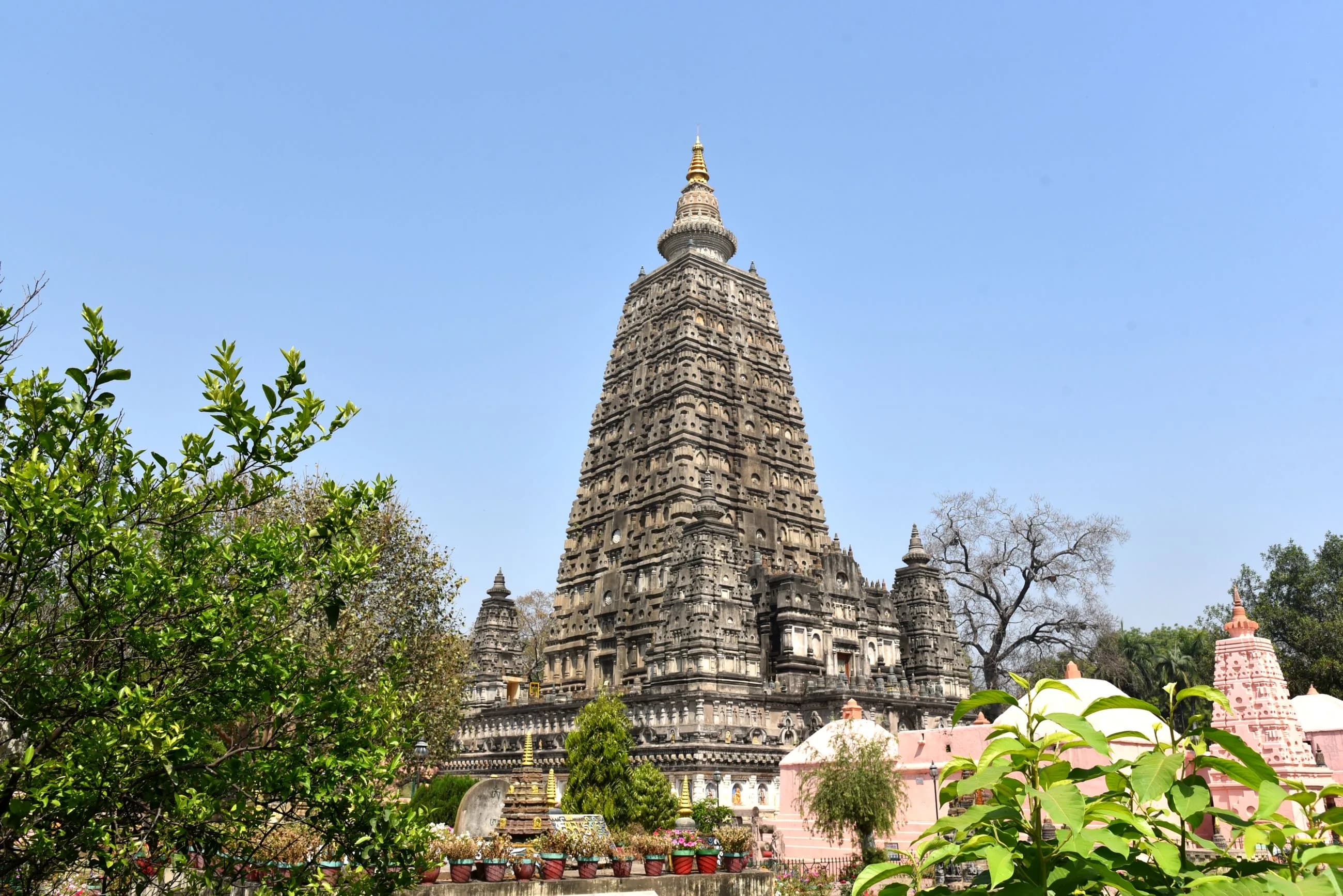
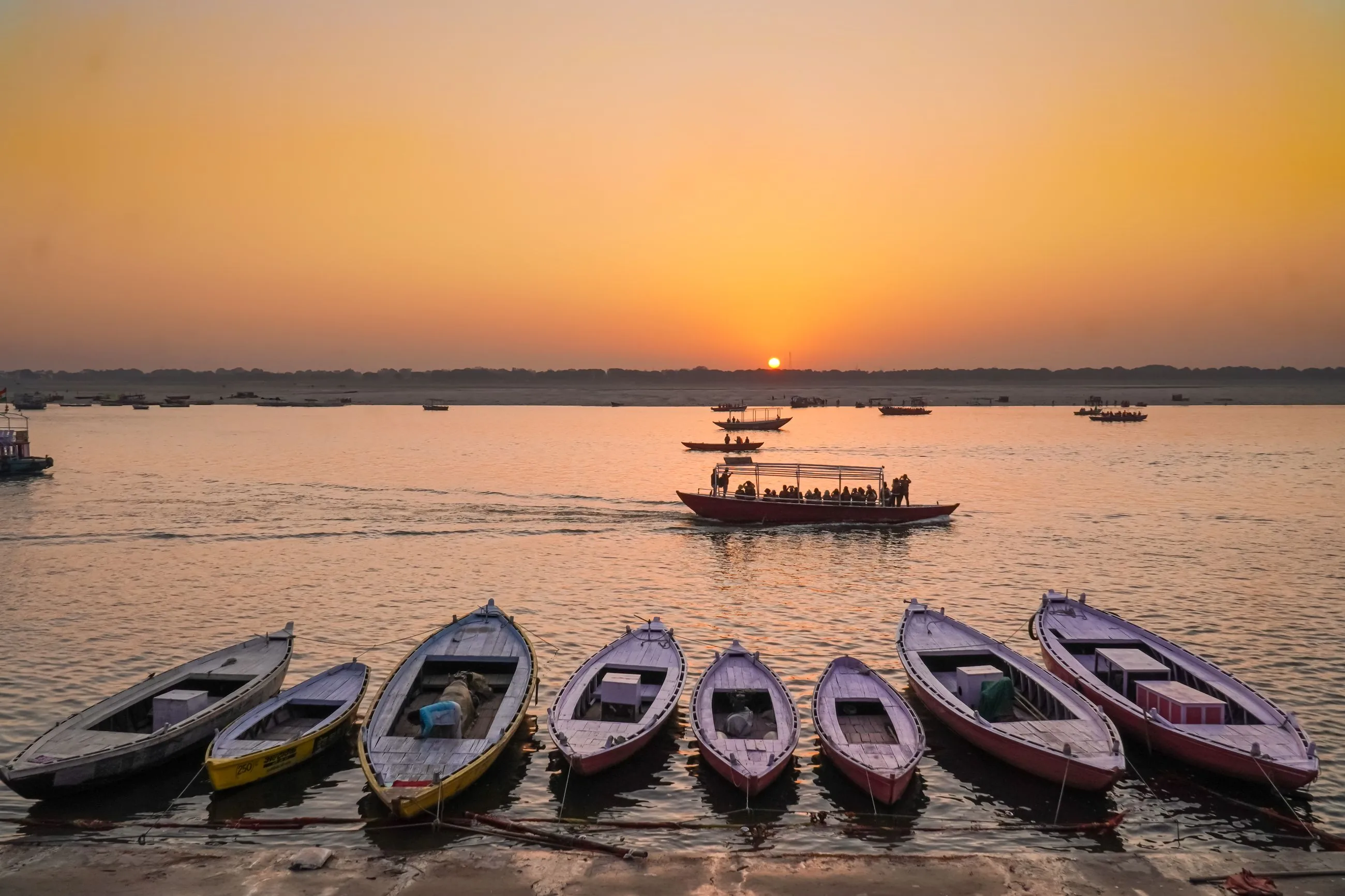
The Mahabodhi at dawn
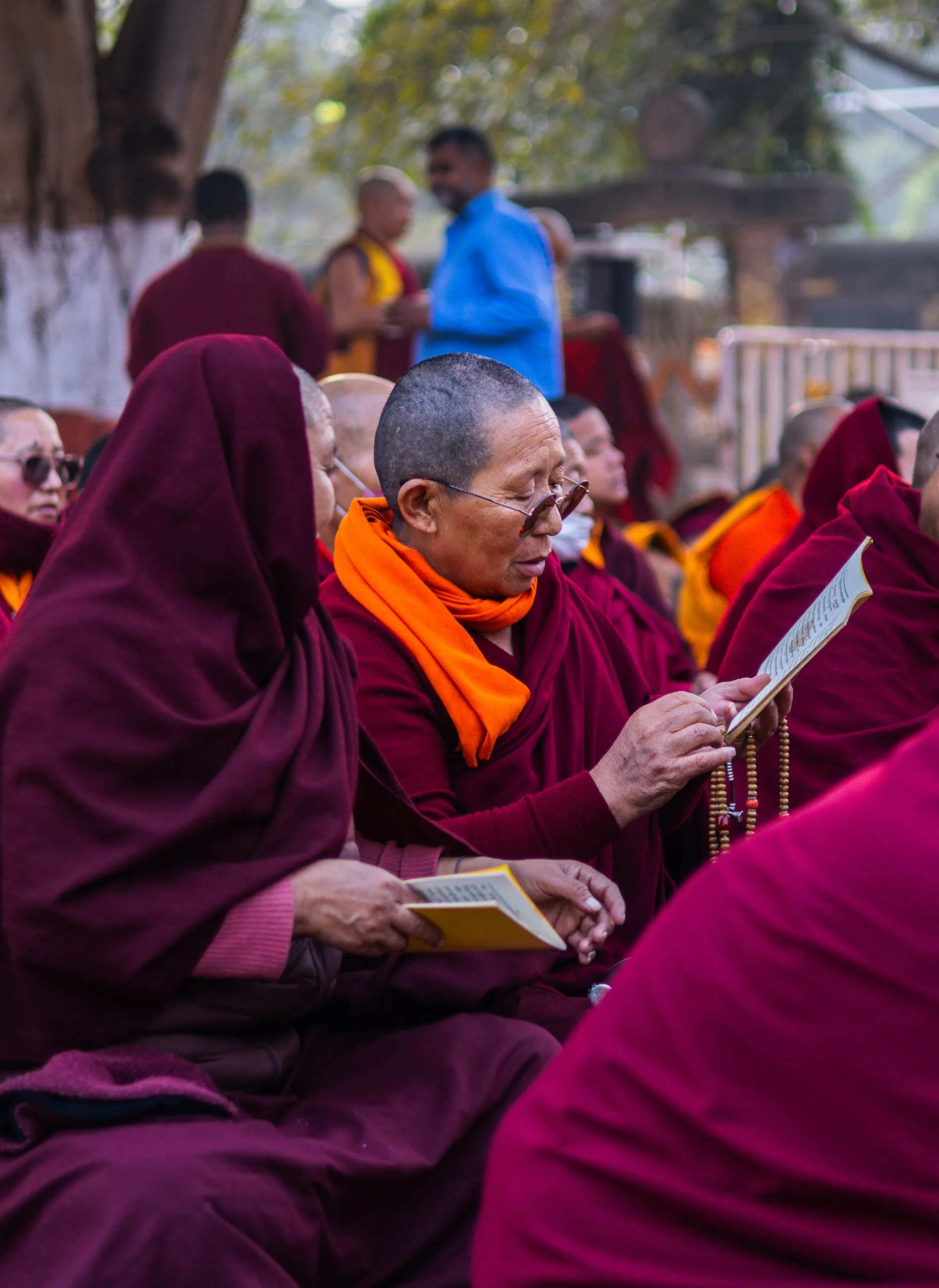
The complex as it opens, with monks and pilgrims circling the tower in the half-light. Dress modestly, remove shoes at the entrance and walk clockwise.
Rituals and occasions
Temple, ritual & pujaOccasions, dining & giftsPhotography & filmsSpecialist servicesBodh Gaya, in Bihar, is where Siddhartha Gautama sat beneath a pipal tree and attained enlightenment. The Mahabodhi Temple, a UNESCO World Heritage Site since 2002, rises over the spot, and a descendant of the original Bodhi Tree spreads behind it. Monasteries built by Buddhist communities from Thailand, Japan, Bhutan, Tibet and elsewhere make the small town a meeting place for the Buddhist world.
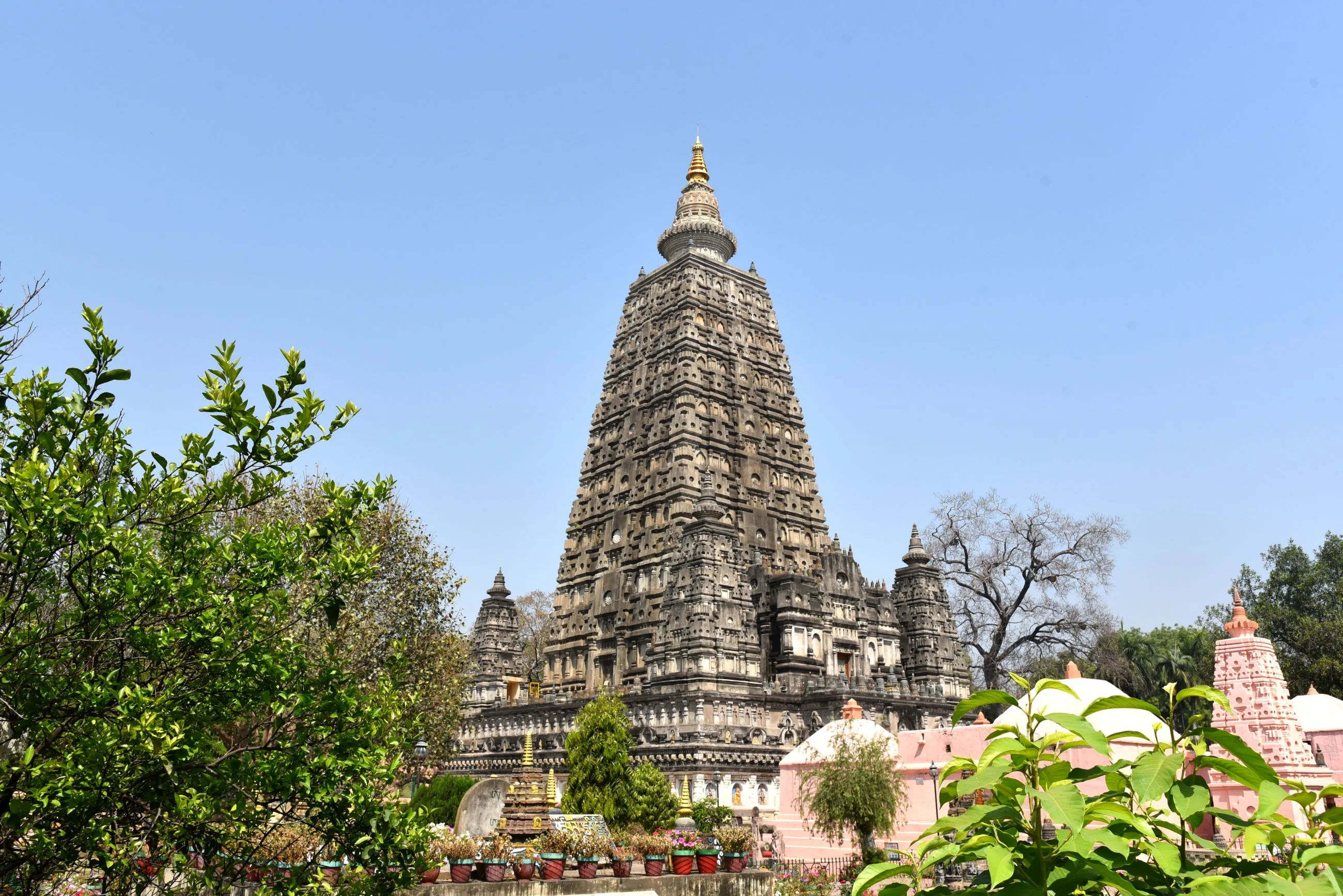
The temple's brick tower, about 50 metres high, dates in its present form to the fifth or sixth century and has been restored many times. Behind it, the Vajrasana, the diamond throne, marks where the Buddha sat. Around the complex are the places associated with the seven weeks after his enlightenment, including the lotus pond and the jewelled walk. Pilgrims circle, prostrate and chant from before dawn; the quietest hours are early morning and late evening, and the complex remains an active place of worship throughout the day.
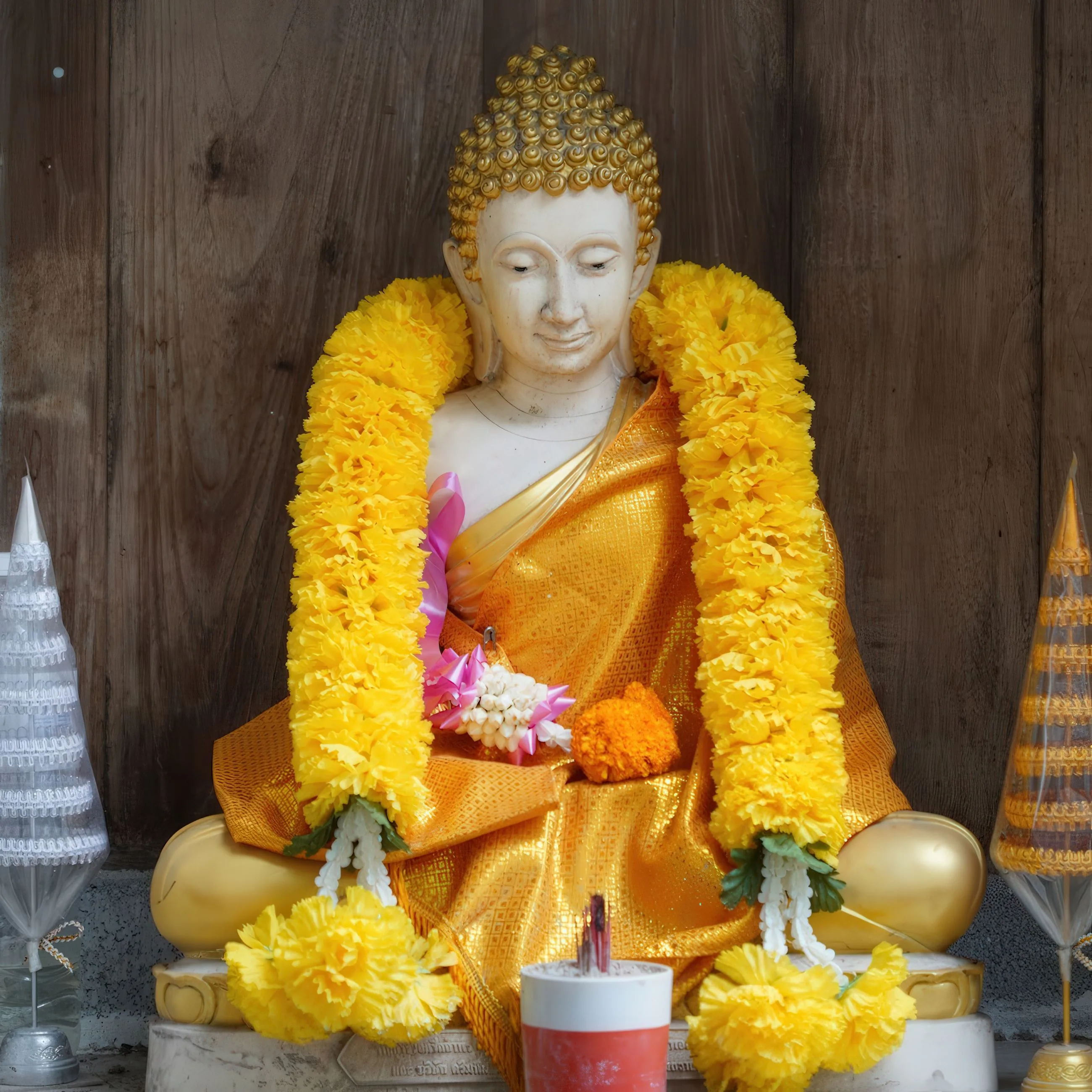
Beyond the temple, the town is a gathering of national architectures. The Thai monastery has a gilded, sweeping roof; the Bhutanese monastery is painted inside; the Japanese temples are spare and calm; the Tibetan monasteries ring with chanting. The Great Buddha Statue, about 25 metres high and consecrated by the Dalai Lama in 1989, sits among gardens. Across the Niranjana river, the stupa at Bakraur marks the village of Sujata, who is said to have offered the Buddha rice and milk before his enlightenment.
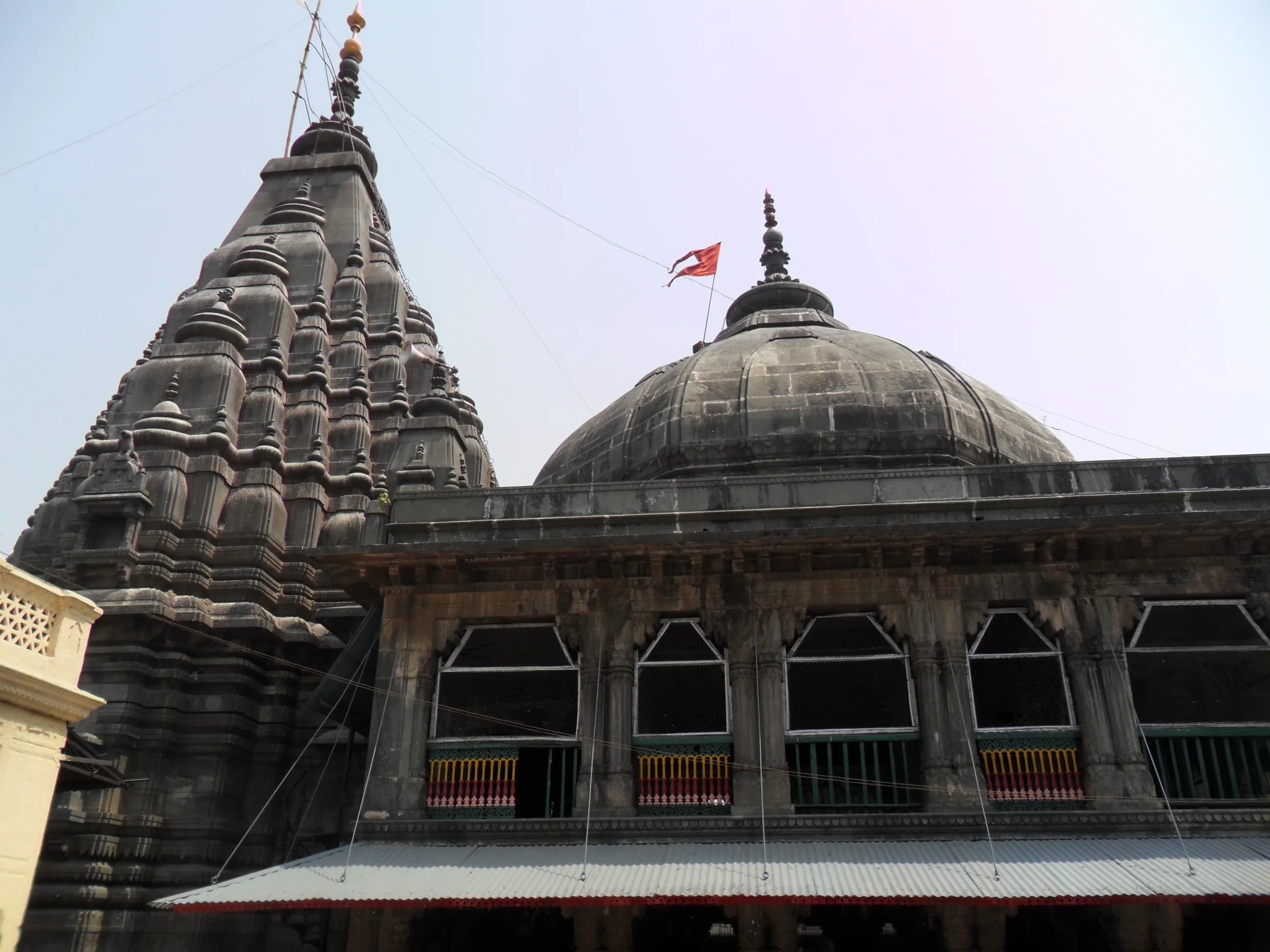
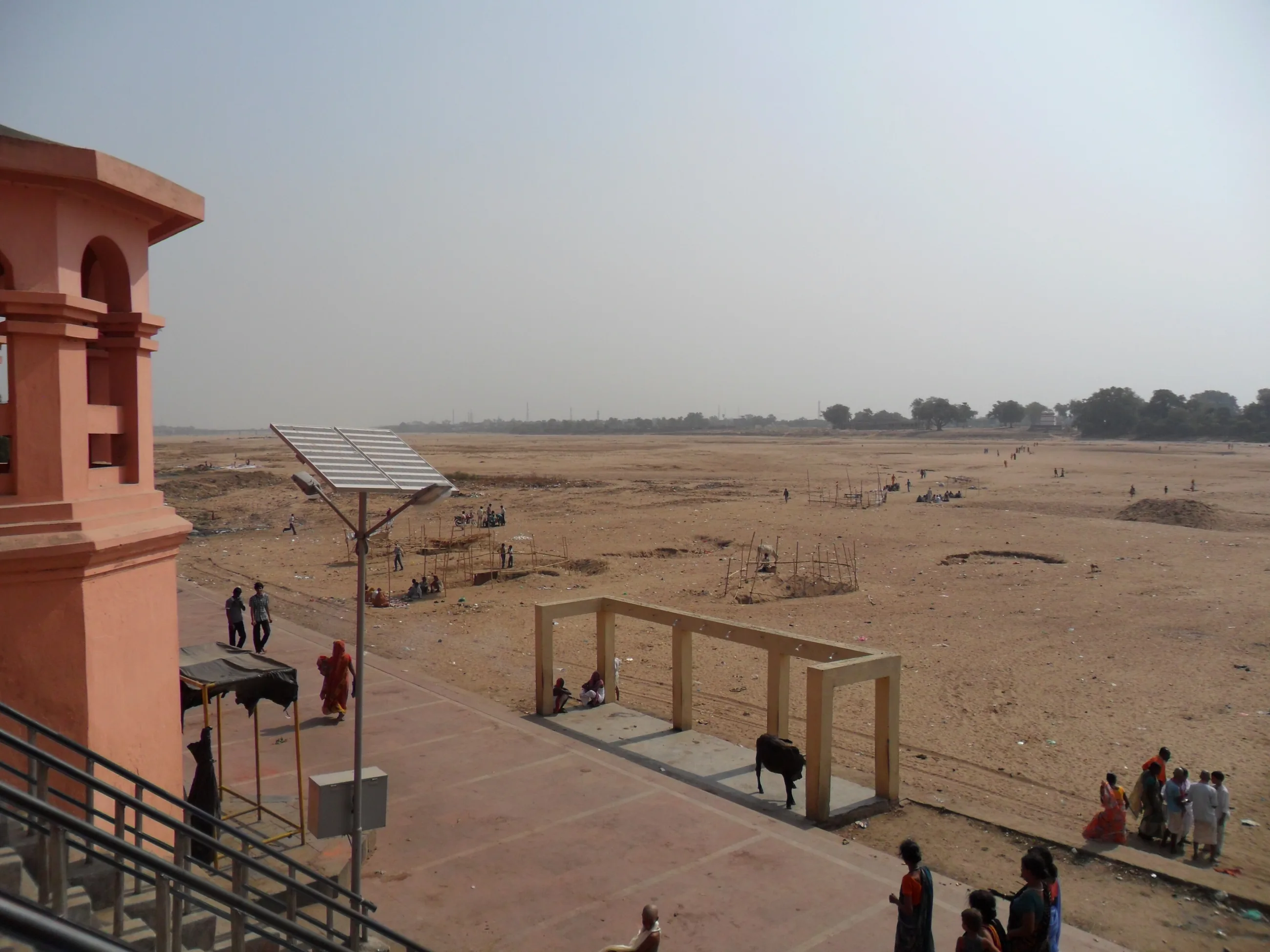
Bodh Gaya is not Gaya. Gaya, about fifteen kilometres to the north, is a Hindu pilgrimage city known for the Vishnupad Temple and ancestral rites; the two share an airport and a railway junction but little else. A Buddhist journey here does not include rites in Gaya unless you add them, and the reverse is equally true. For Buddhist pilgrims, Bodh Gaya pairs naturally with Sarnath near Varanasi, where the first teaching was given, and with Rajgir and Nalanda for those continuing further.
The complex as it opens, with monks and pilgrims circling the tower in the half-light. Dress modestly, remove shoes at the entrance and walk clockwise.
Sit near the Vajrasana among monks from many countries, with a guide who knows when to step back. Meditation in the grounds is welcome, provided it does not block the walking circuits.
Thai, Bhutanese, Japanese and Tibetan temples, each in its own style. Choose two or three rather than all of them, and respect each community's visiting times.
The stupa across the river at Bakraur, then the hill caves where tradition says the Buddha practised austerities before coming to Bodh Gaya. The caves involve a steep climb.
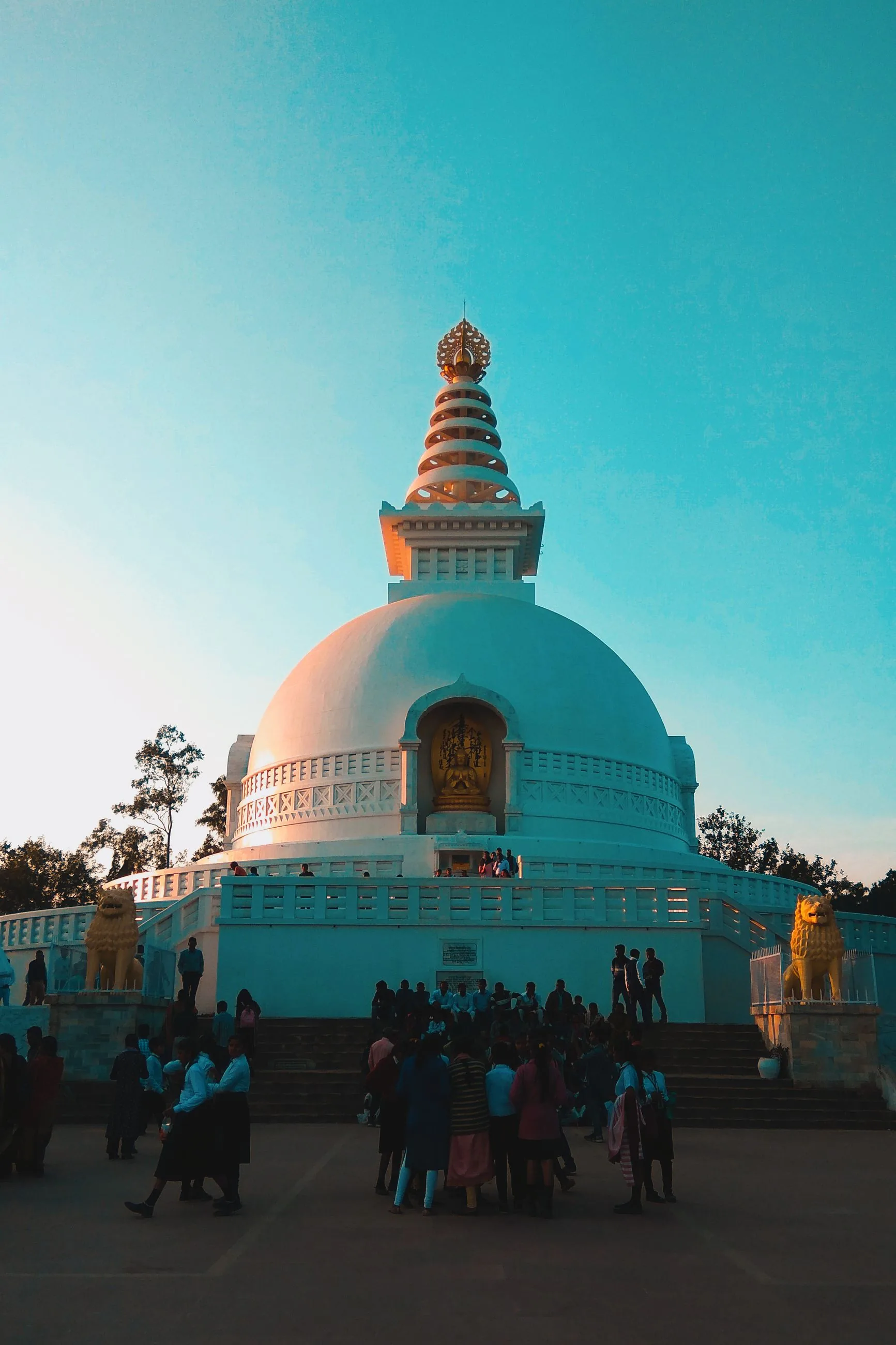
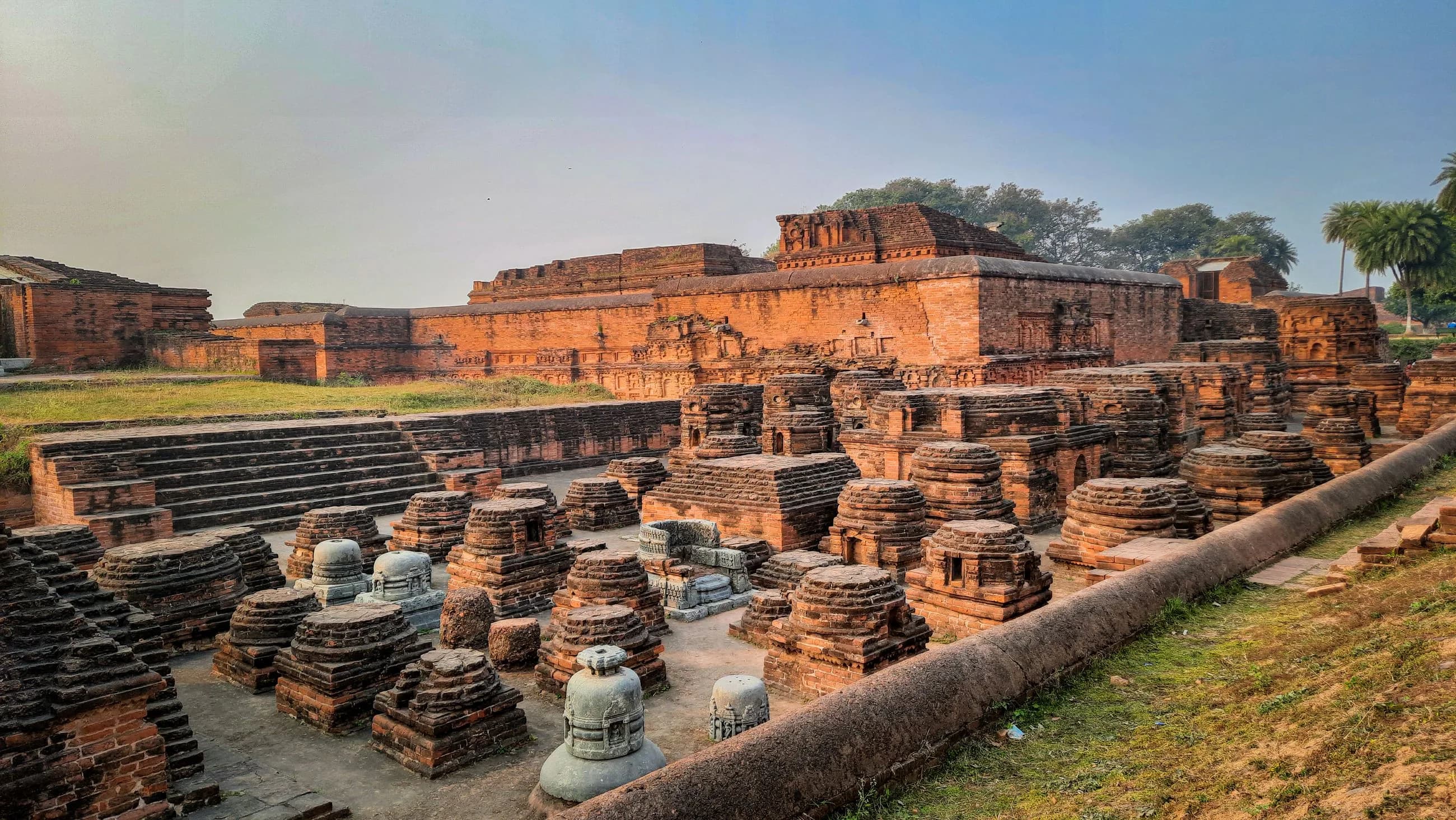
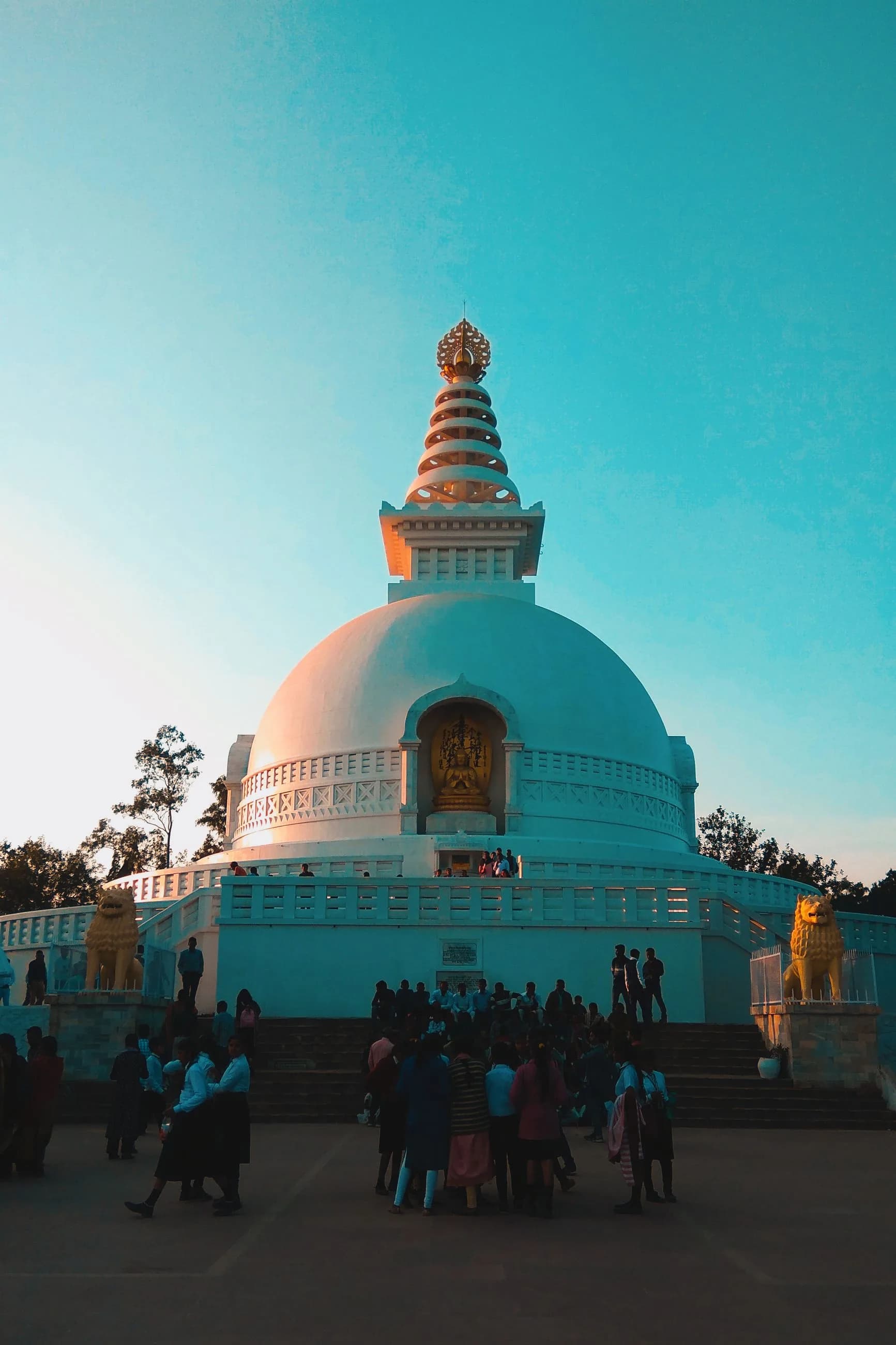
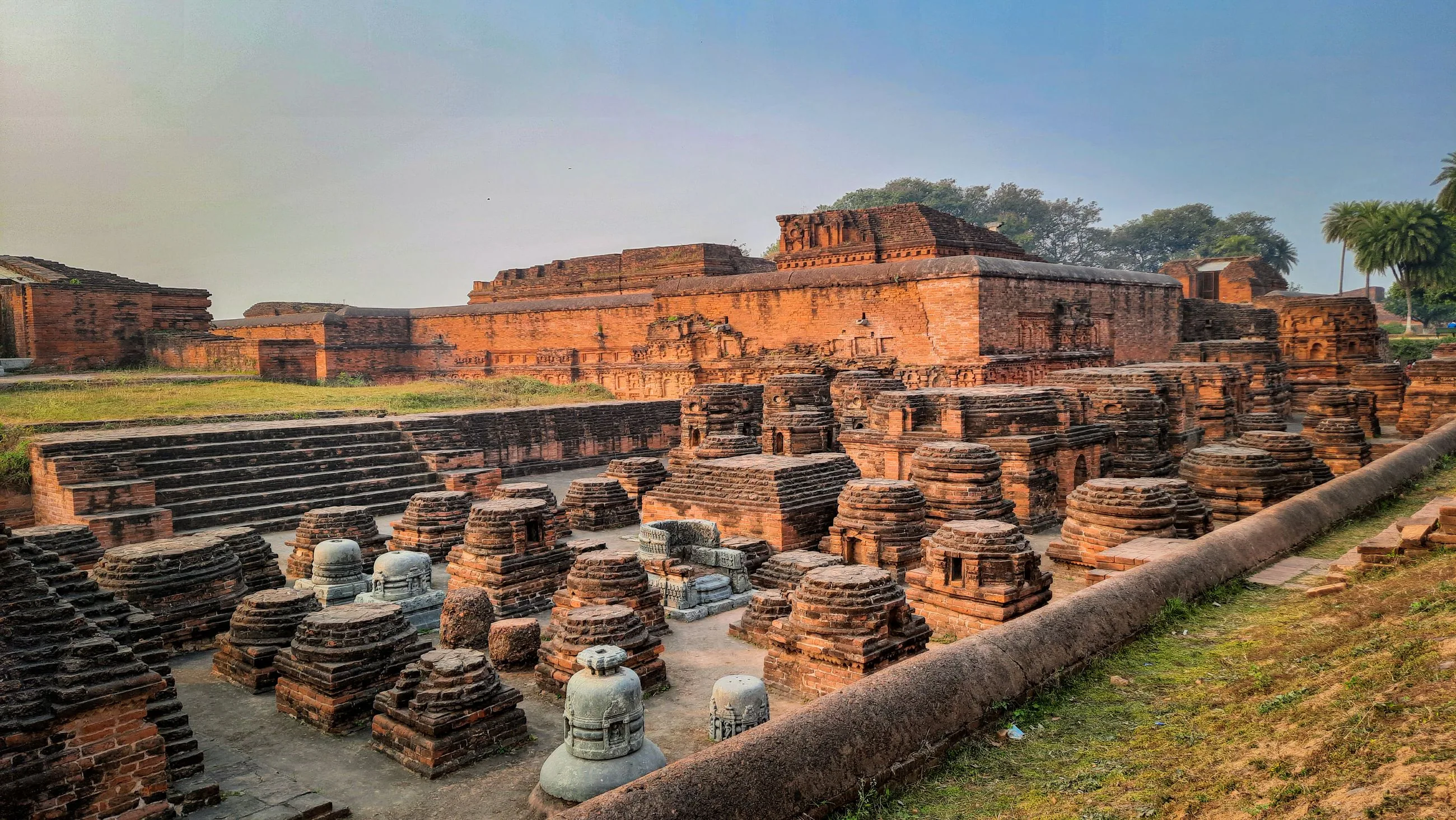
The excavated ruins of the ancient monastic university at Nalanda, also a World Heritage Site, and the Vishwa Shanti Stupa on the ridge at Rajgir. A long but rewarding day by car.
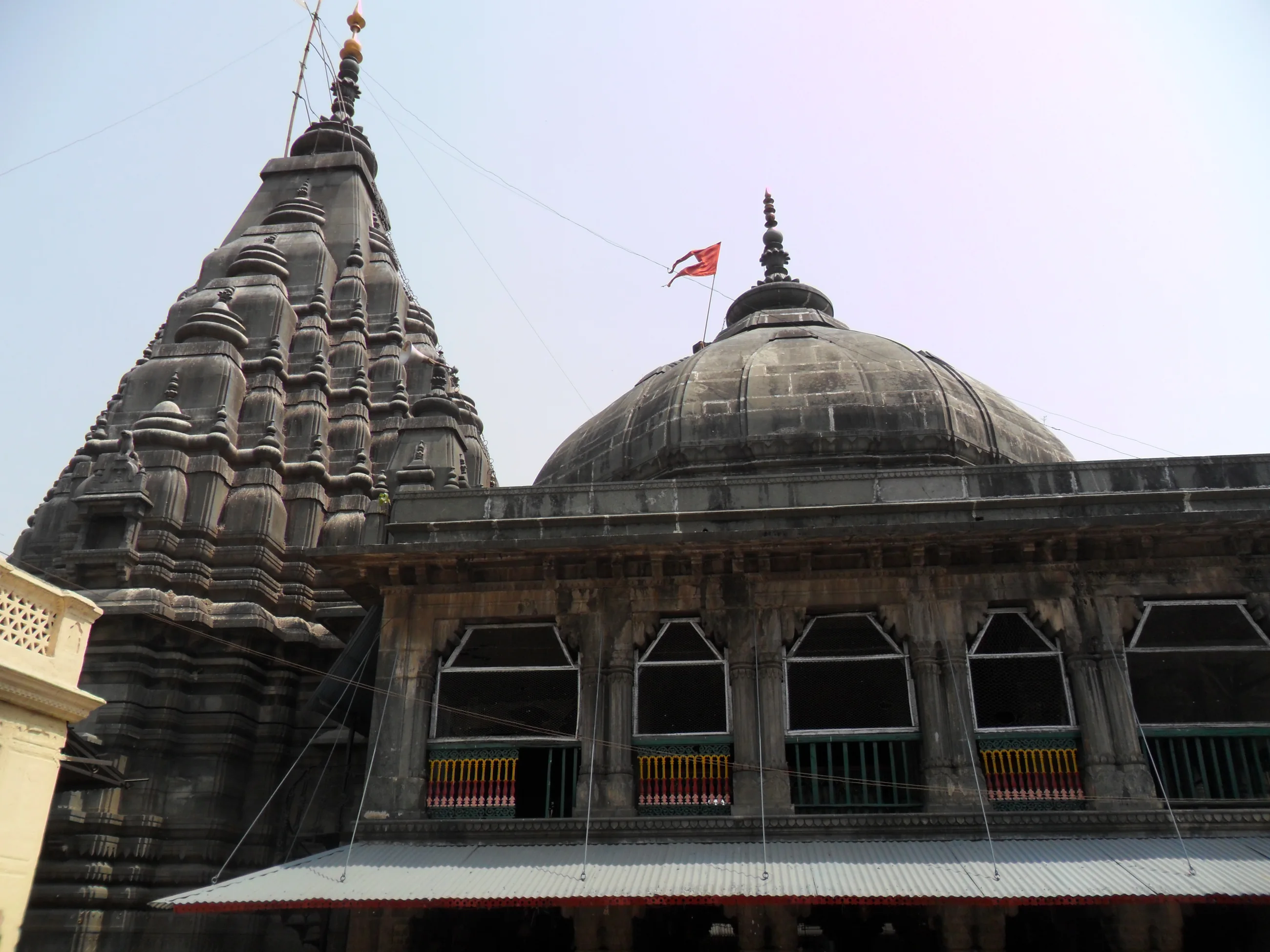
The Vishnupad Temple and the ancestral rites of Gaya belong to a different tradition. Add them deliberately, with their own time and a confirmed priest, rather than as a stop on the way to the airport.
Pind Daan at the Ganga ghats in Kashi and at the Vishnupad temple, the Falgu and Akshayavat in Gaya, with priests and scope agreed with your family, and a last visit to the Mahabodhi Temple.
Five nights from Kashi to Gaya: rituals at the Triveni Sangam on a day from Varanasi, Kashi Vishwanath and Manikarnika, and Pind Daan at the Vishnupad temple and the Phalgu, with the Mahabodhi Temple.
Bodh Gaya, where the Buddha woke beneath the Bodhi Tree, and Sarnath, where he gave his first teaching, in a five-day private journey with two nights in each place and the Ganga at Varanasi in between.
Sarnath, Bodh Gaya, Vulture Peak at Rajgir and the ruined university of Nalanda, in a seven-day private journey that starts and ends in Varanasi, with three nights at Bodh Gaya.
Sarnath, Bodh Gaya, Rajgir, Nalanda, Vaishali, Kushinagar and Shravasti in a ten-day private pilgrimage by road from Varanasi to Lucknow.
The ghats and Kashi Vishwanath at Varanasi, the Sangam at Prayagraj, Ram Ghat and Kamadgiri at Chitrakoot, and Pind Daan at Gaya's Vishnupad Temple, in an eight-day private pilgrimage by road.
Yes, everyone is welcome. Dress modestly, remove shoes, keep voices low and walk clockwise. Rules on phones and cameras are set by the temple management, so they are confirmed in the week you travel.
No. Bodh Gaya is the Buddhist town around the Mahabodhi Temple. Gaya, about fifteen kilometres to the north and now officially named Gaya Ji, is a Hindu pilgrimage city known for the Vishnupad Temple and ancestral rites.
Lumbini, the Buddha's birthplace, is in Nepal and needs separate border, documentation and transport planning. It is handled as a separate extension enquiry, never as part of an Uttar Pradesh or Bihar journey by default.
Usually in December and January, when several monastic traditions hold large prayer festivals. Dates move each year and rooms fill early, so they are confirmed before your dates are fixed.
Tell us the places on your mind, your dates and who is travelling. We reply with a written proposal shaped around you.