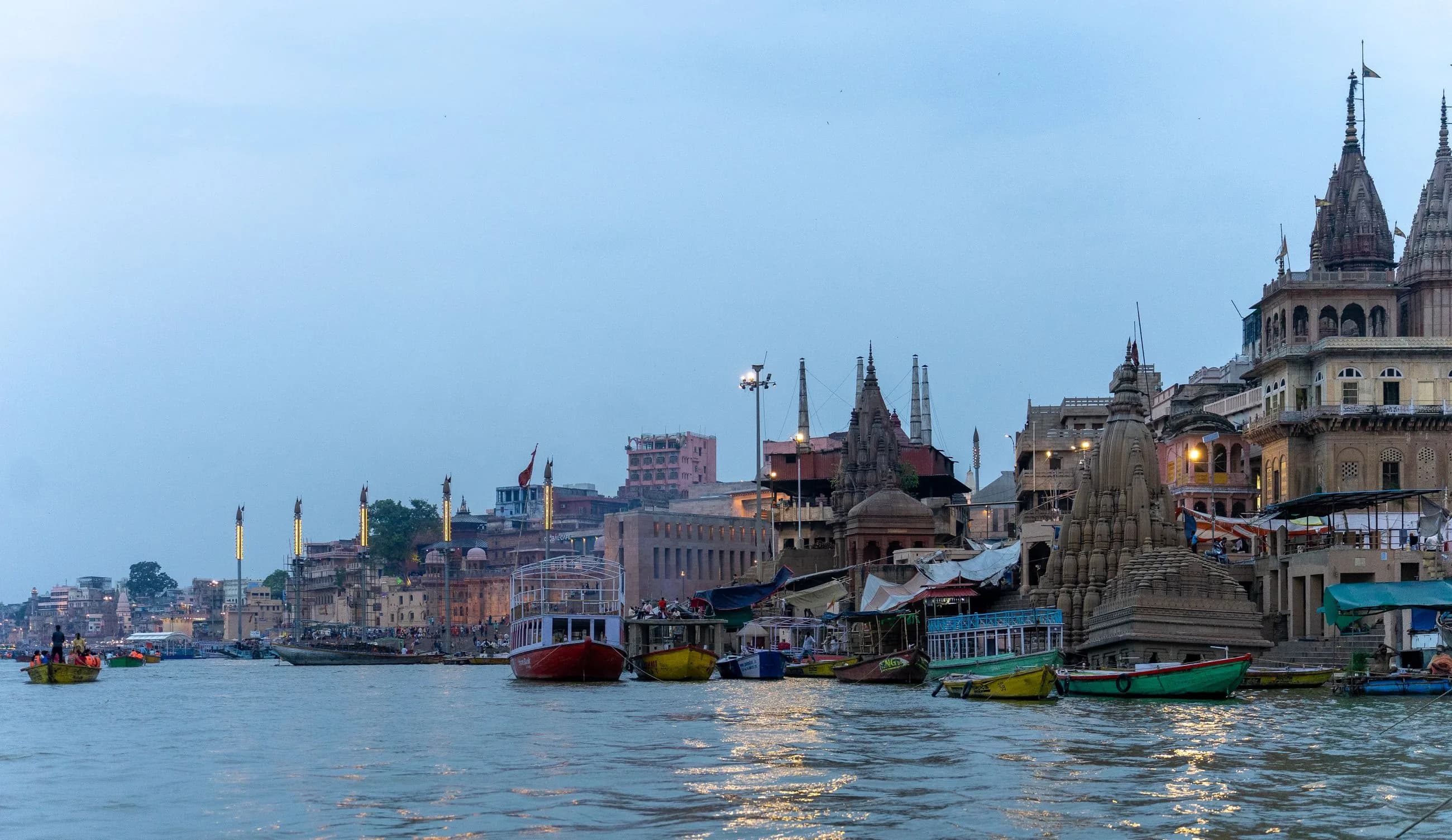
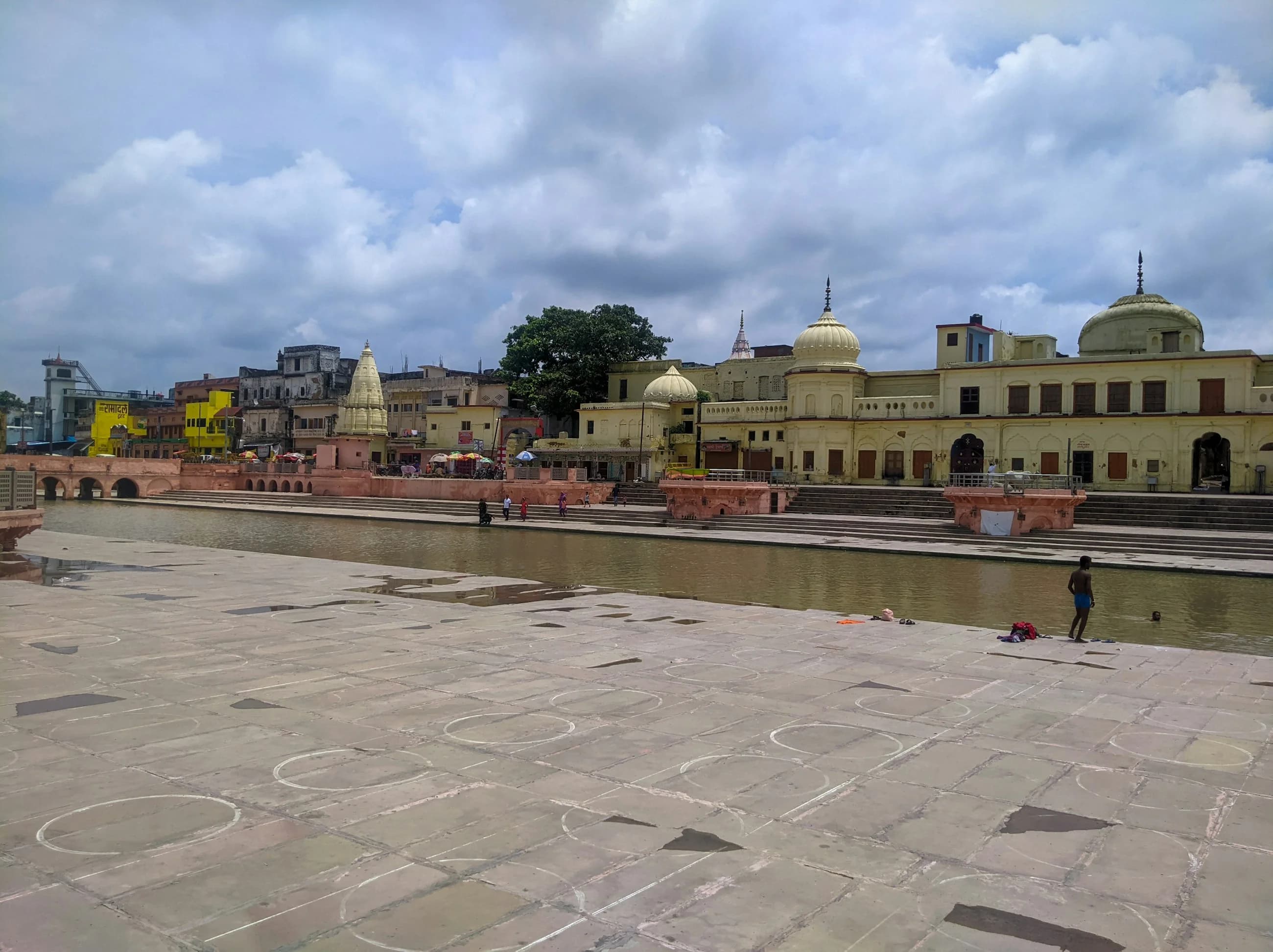
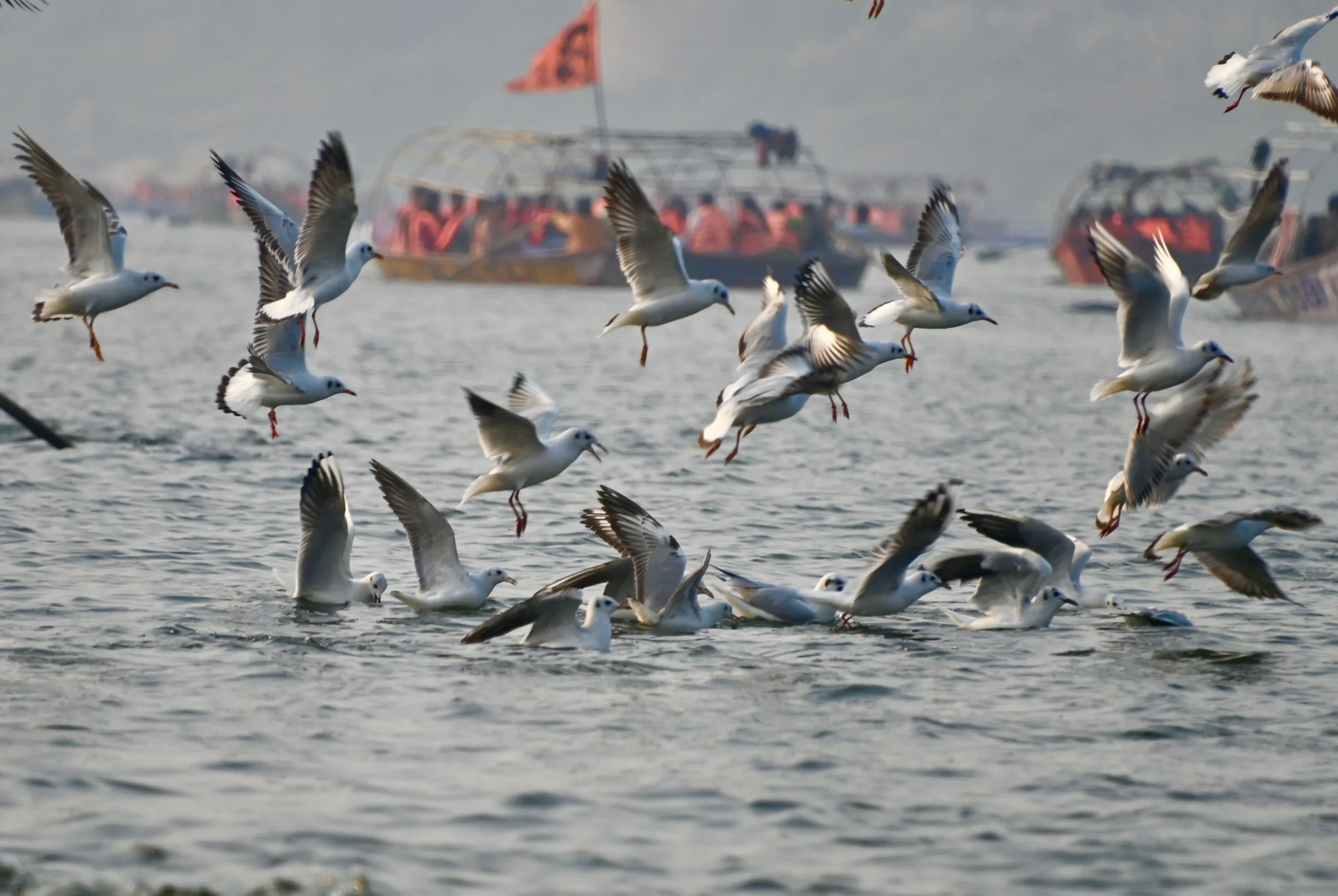
Varanasi, also called Kashi and Banaras, faces east across the Ganga along a crescent of more than eighty ghats, from Assi in the south to Raj Ghat in the north. Pilgrims bathe at first light, cremation fires burn at Manikarnika, and the old city behind the steps is a maze of lanes, shrines and silk workshops. Tourmelloh is based in the city.
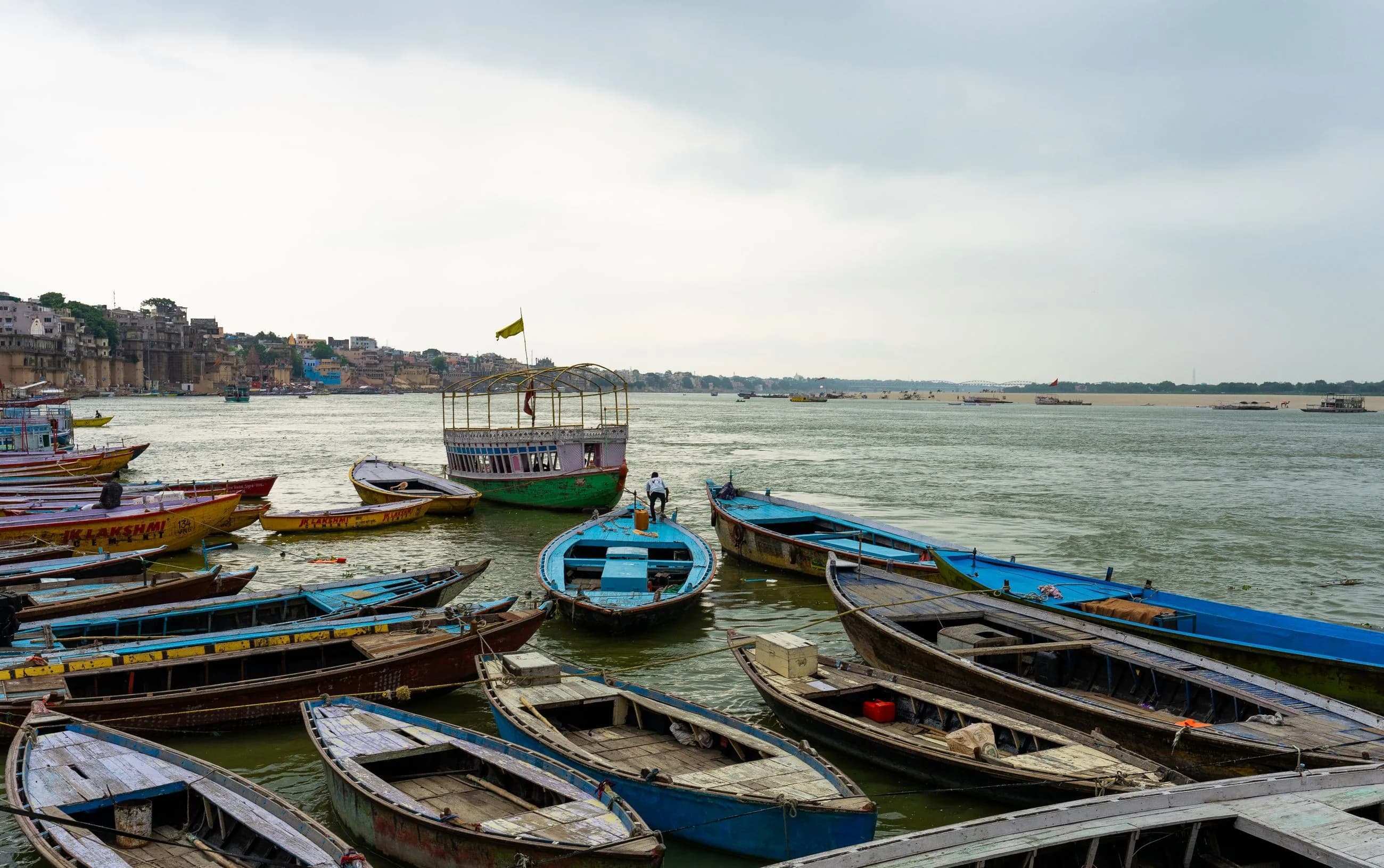
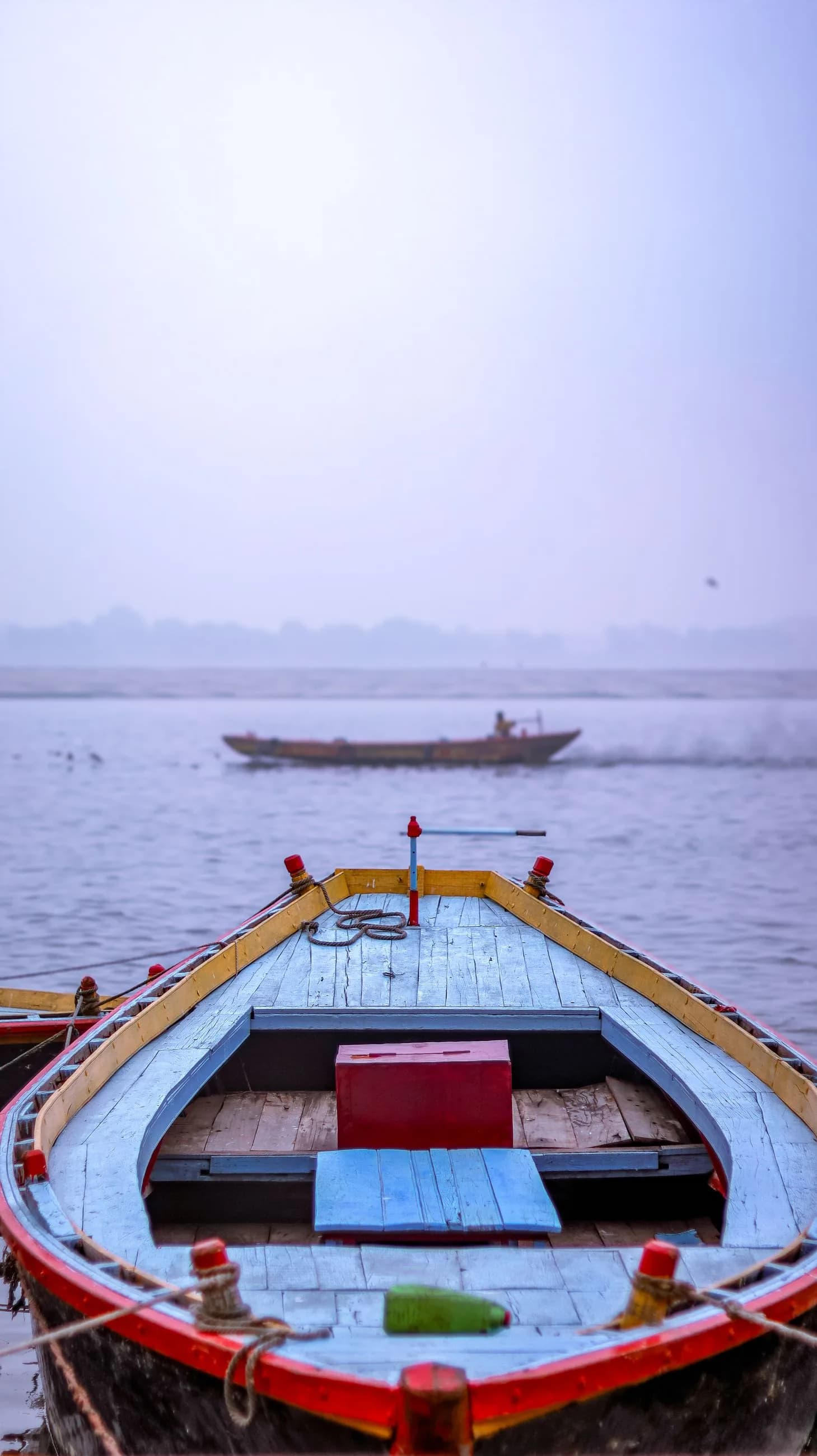
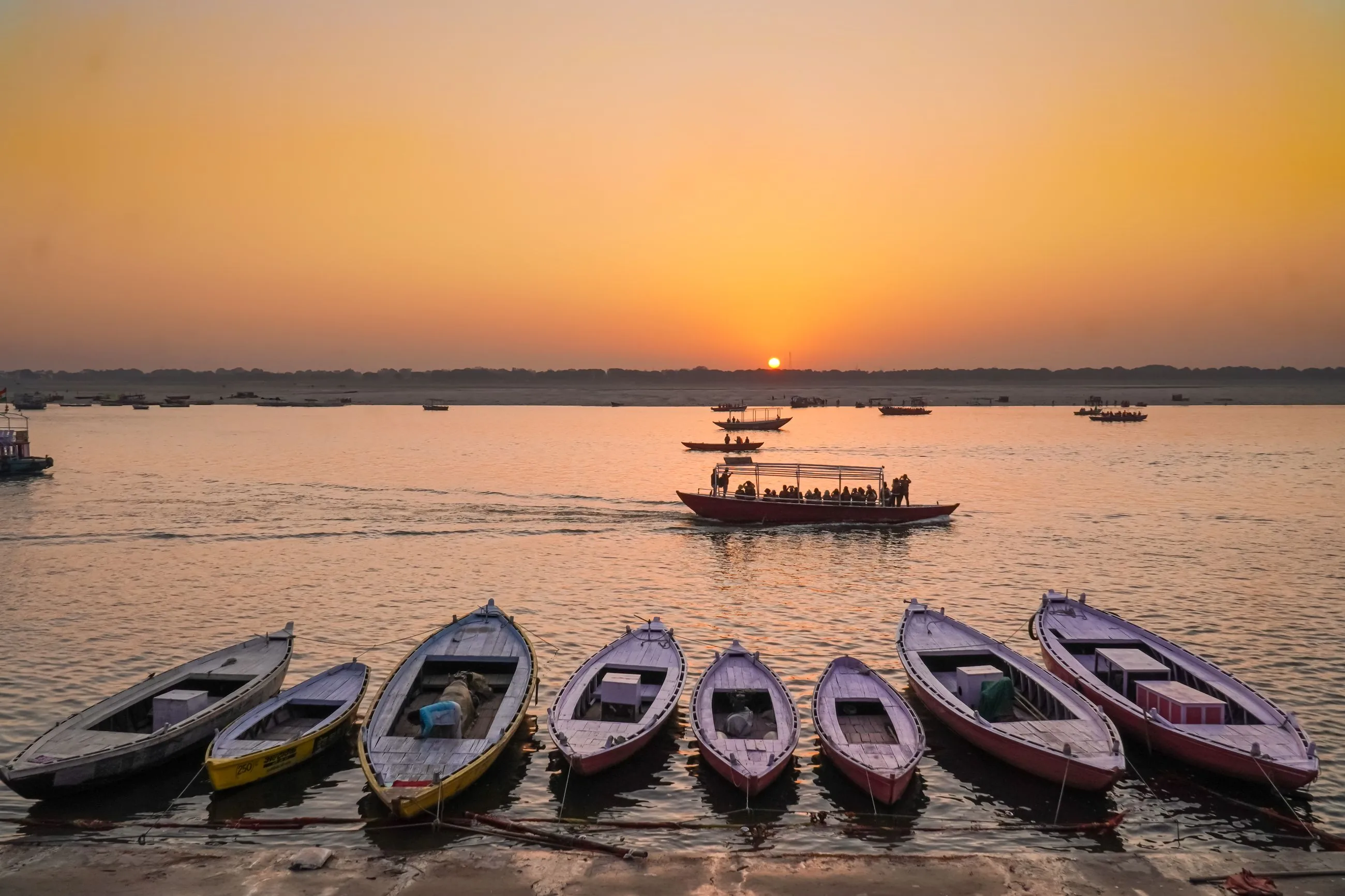
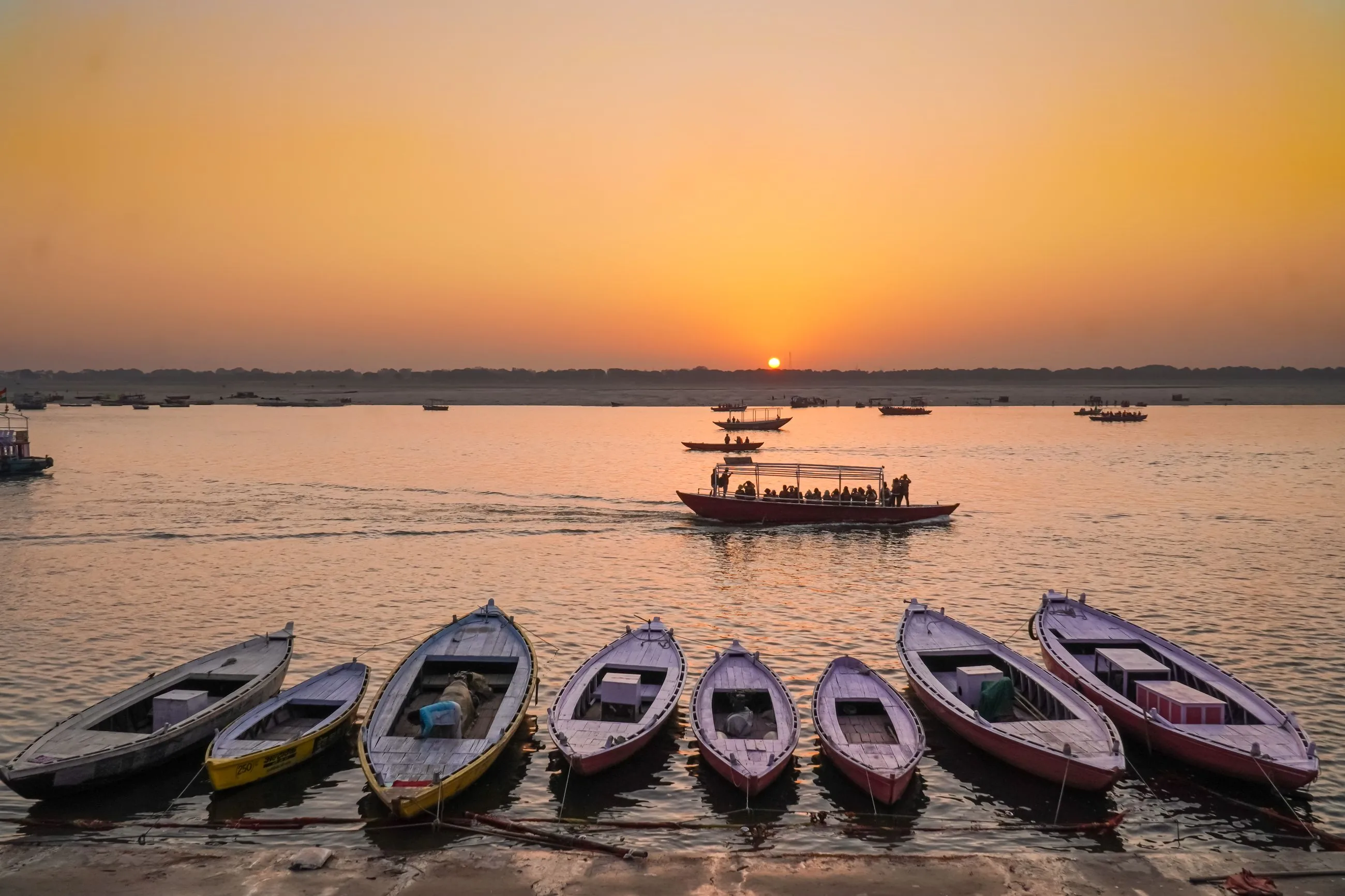
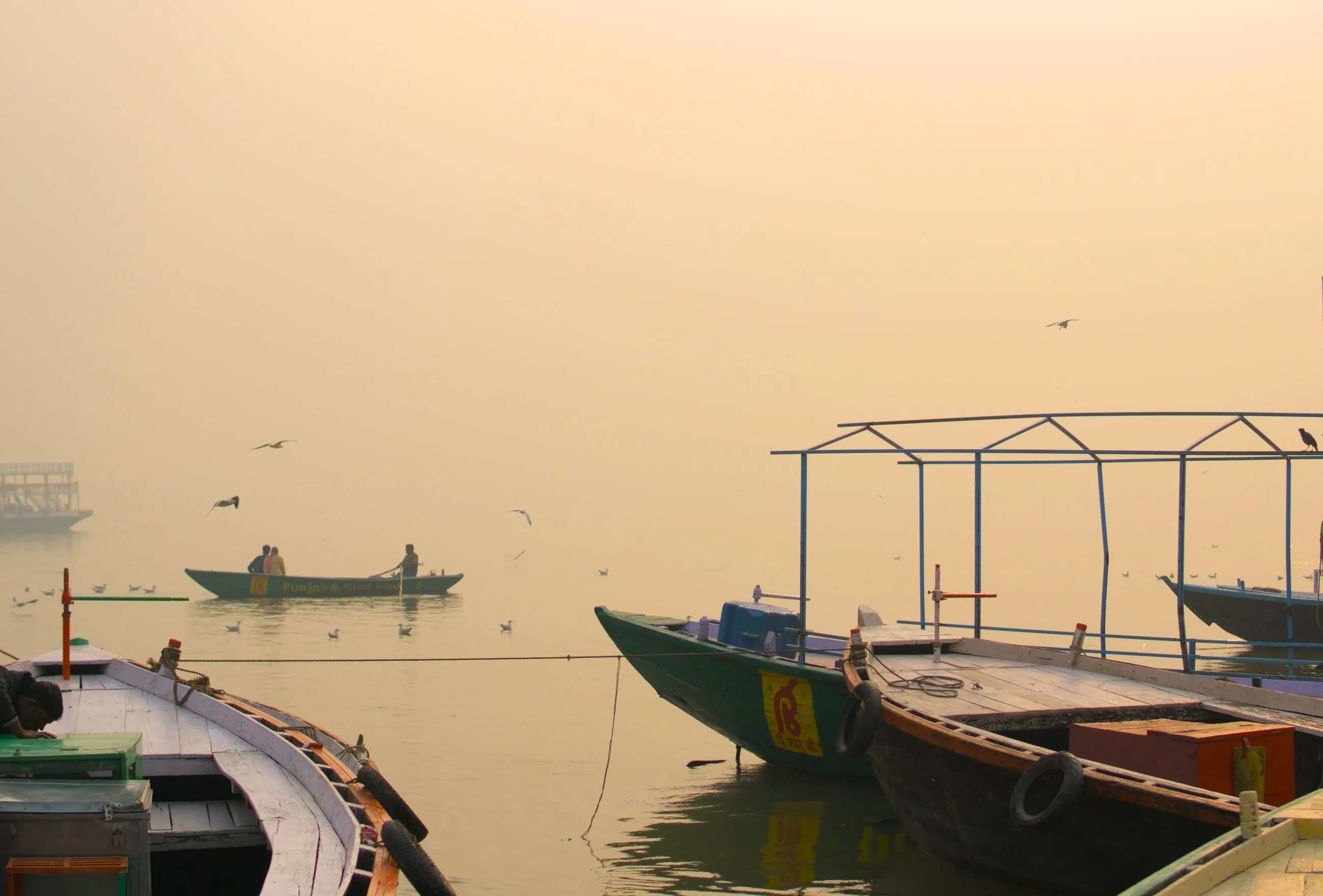
Wooden boats moored on the Ganges, Varanasi
THE PLACE
Varanasi, in practice.
Getting there
Lal Bahadur Shastri International Airport at Babatpur is about 25 km north-west of the city, usually 45 to 75 minutes by car depending on traffic and where you stay. Varanasi Junction, Banaras and Pt. Deen Dayal Upadhyaya Junction handle most long-distance trains. Cars stop well short of the riverfront, so the last stretch to a ghat-side hotel is on foot through the lanes or by boat. Winter fog often delays early flights and overnight trains, so an arrival evening should never carry an important booking.
Suggested pacing
Three nights suit a first visit: an arrival evening, a full day for the river and the old city, a half day at Sarnath and a final morning without hurry. Two nights cover the essentials at a brisker pace, as First Impressions of Varanasi does. Four allow a music evening, time with the weavers or a crossing to Ramnagar, and suit older travellers who need rest each afternoon. Varanasi at Your Pace spreads temple visits over three nights with rest periods built in. Keep one session a day unplanned; the city repays a second visit to a ghat you liked.
Walking and steps
Varanasi is a walking city with steps everywhere. The ghats are steep, uneven and often without rails, and the stone near the water is slippery. Boarding a boat usually means stepping from the ghat onto a wooden hull with no jetty. The old-city lanes are narrow and busy with scooters, cattle and processions, and darshan involves queuing barefoot. Travellers with limited mobility can still see a great deal by boat, provided the hotel, drop-off points and rest stops are chosen around them.
When to go
October to March is the comfortable season, with clear autumn mornings and river mist from December to January, when fog can also delay flights and trains. April to June is very hot; plan early starts and long indoor afternoons. From July to September the Ganga rises over the lower ghats and boats are often suspended until the level falls. Shravan Mondays, Mahashivratri, Dev Deepawali and the Diwali weeks bring very large crowds, so fix hotels and transport early if your dates touch any of them.
Etiquette
Do not photograph cremations at Manikarnika or Harishchandra, and step aside for funeral processions in the lanes. Ask before photographing anyone at prayer; some sadhus pose for photographs and expect a payment, so agree first or not at all. Dress modestly at temples, remove shoes where asked and follow each temple's rules on phones and leather. Accept prasad with the right hand. On the ghats, avoid stepping over offerings or handling ritual items that belong to someone else.
The river explains the city. Before sunrise the ghats fill with bathers, priests laying out brass plates, wrestlers at the akharas and boatmen calling to anyone who wants a ride. Seen from a boat, the riverfront reads like a timeline: palaces built by royal families from across India, small shrines at the water's edge, and the two cremation ghats, Manikarnika and Harishchandra, where families perform last rites in public view. Between July and September the Ganga often rises over the lower steps, and the district administration suspends boat operations until the level falls, as it did several times in the 2026 monsoon.
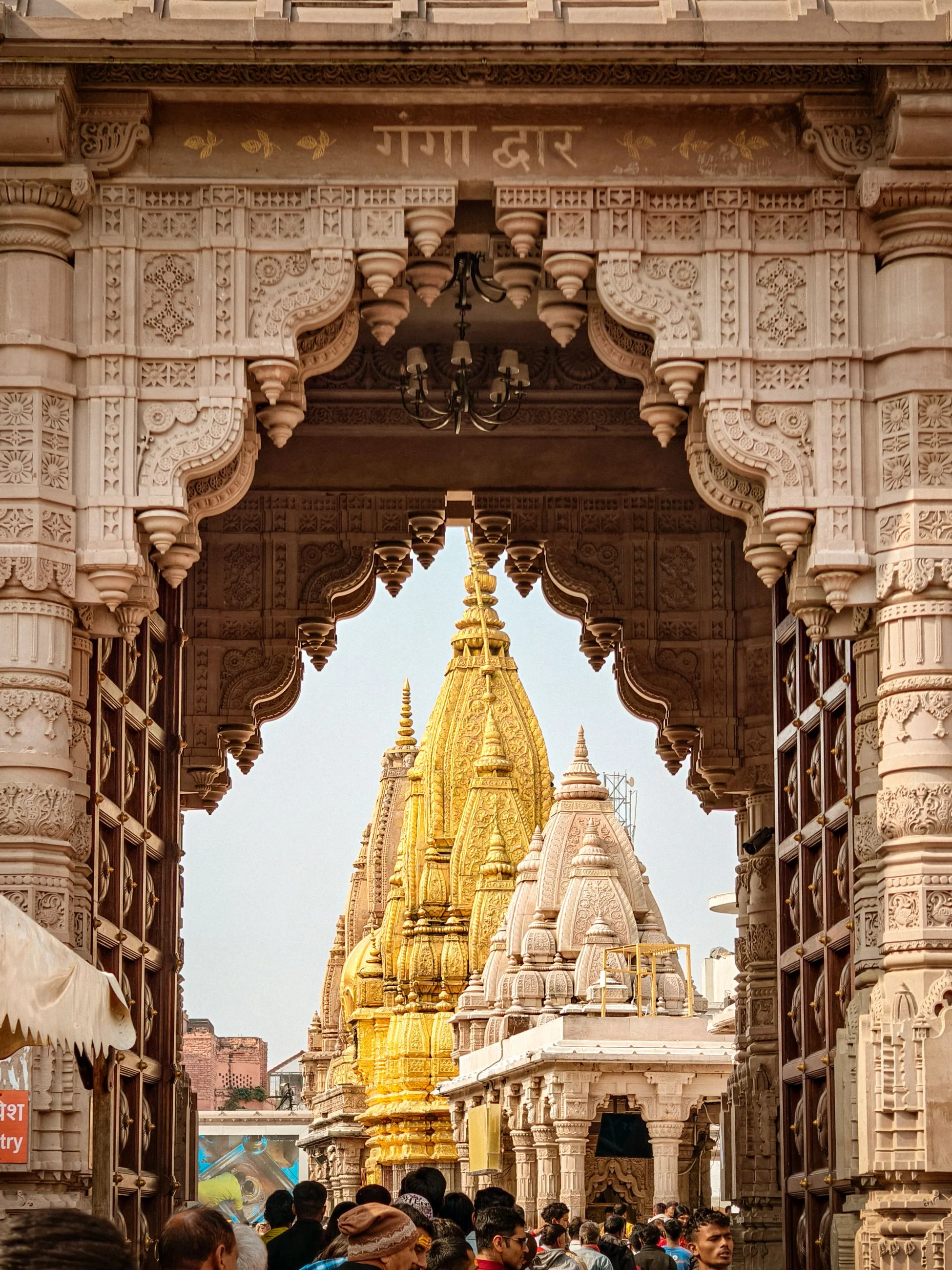
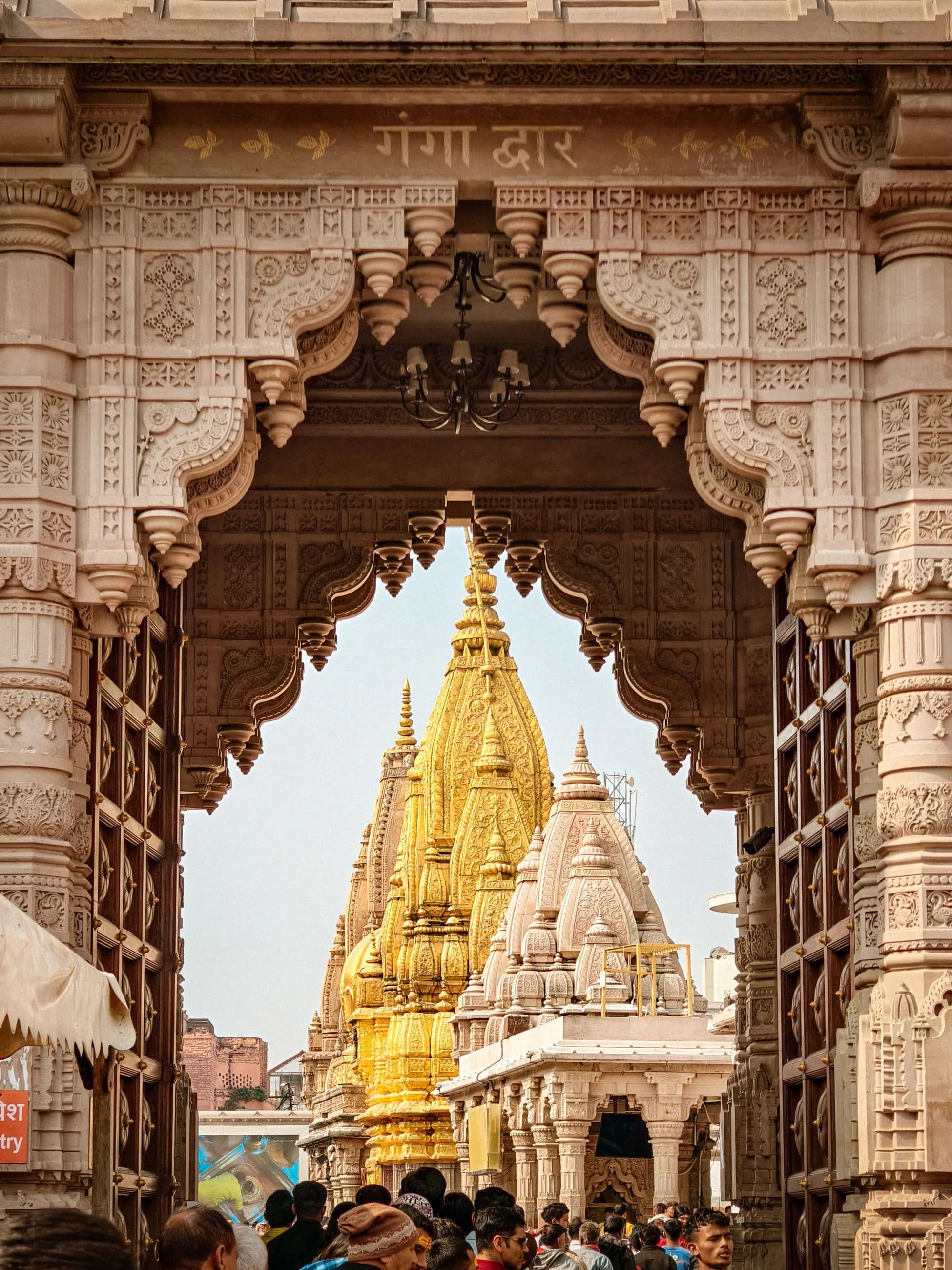
Behind the ghats, Shri Kashi Vishwanath stands at the heart of the old city, one of the twelve jyotirlingas of Shiva. The Kashi Vishwanath Dham corridor, inaugurated in December 2021, now opens the temple to the river at Lalita Ghat. Phones and electronic devices are not permitted in the temple zone, and queues lengthen sharply on Mondays, through the month of Shravan and at Mahashivratri. Where the temple trust's own paid darshan or aarti bookings are open, a request goes through its official channel, subject to availability, and appears in your quotation as a separate line.
The city's other lives are close at hand. Banarasi brocade is still woven on handlooms in neighbourhoods such as Madanpura and Sarai Mohana, music runs from temple courtyards to festival stages in a city UNESCO lists as a Creative City of Music, and breakfast in the lanes means kachori, jalebi and chai in clay cups. Ramnagar Fort faces the city from the far bank, and Sarnath, where the Buddha gave his first teaching, lies about ten kilometres to the north-east. Since July 2026 Sarnath has been a World Heritage Site in its own right.
NOT TO MISS
The places that make it.
A boat before sunrise
The ghats are clearest from the water between first light and about eight. A rowing boat moves slowly enough for a guide to name each ghat; a motorboat covers more of the crescent. Shared or private is stated in your quotation, and every outing depends on the river level and local orders on the day.
The evening Ganga aarti
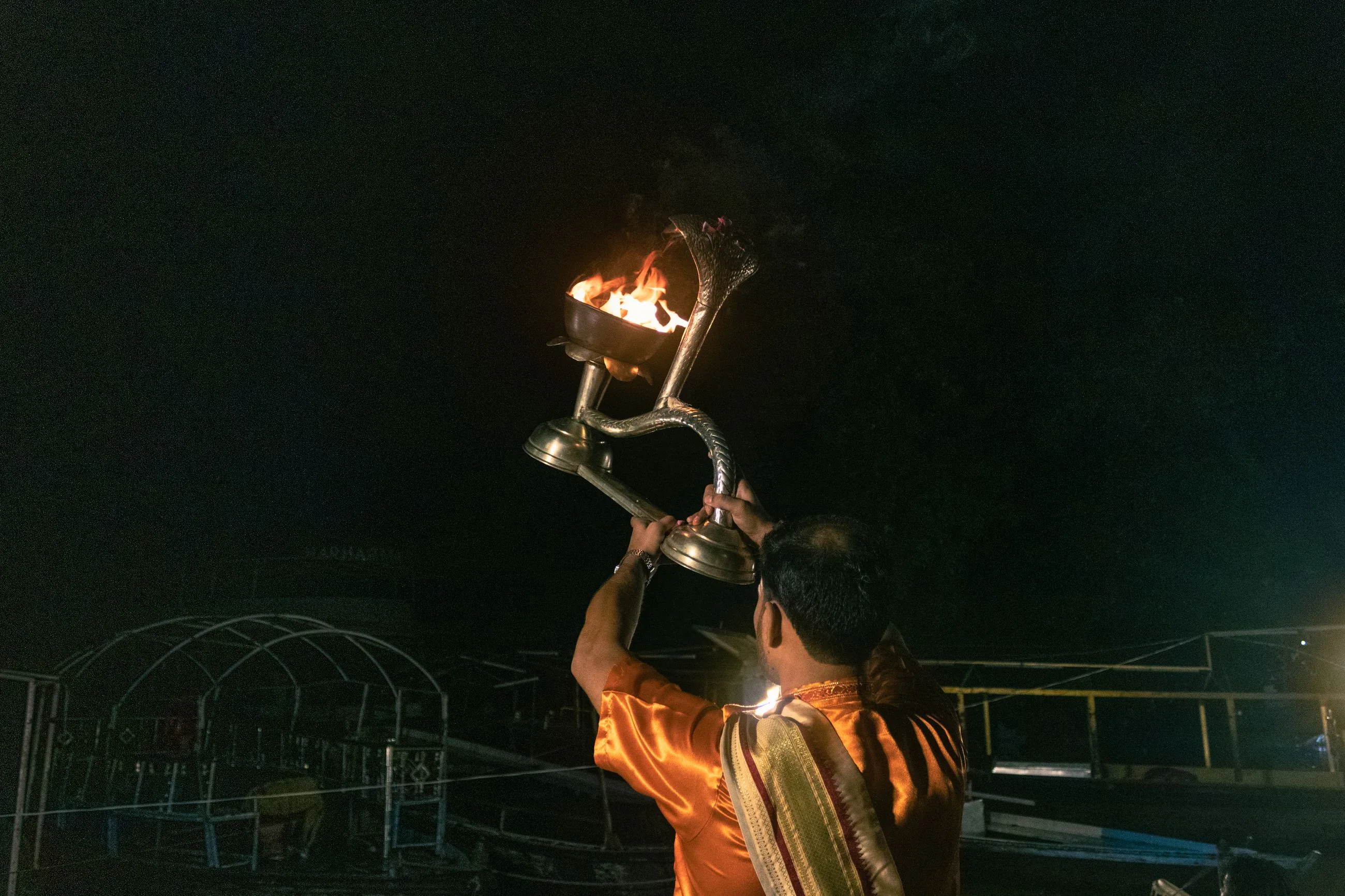
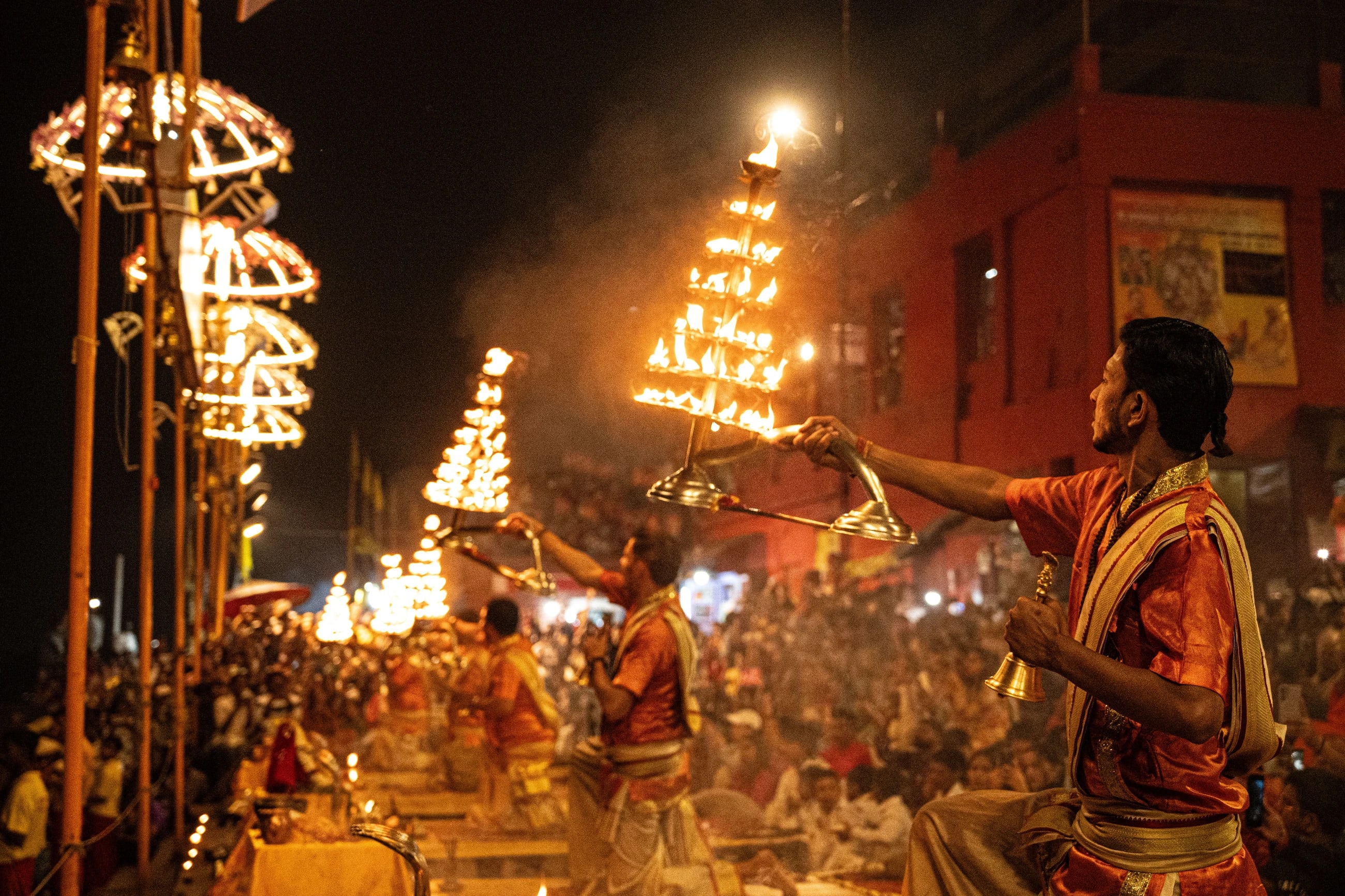
At Dashashwamedh and Assi, priests perform the aarti at dusk with tiered brass lamps, conch and bells. Watching from a boat moored off the ghat avoids the crush on the steps; a viewing or seating arrangement on land is a separate request, confirmed only when available.
Darshan at Kashi Vishwanath
Give the temple a morning with nothing pressing afterwards. Leave phones and bags behind, expect security checks and a barefoot walk across stone, and avoid Mondays and festival days if a long wait would be hard for your party.
Breakfast in the lanes
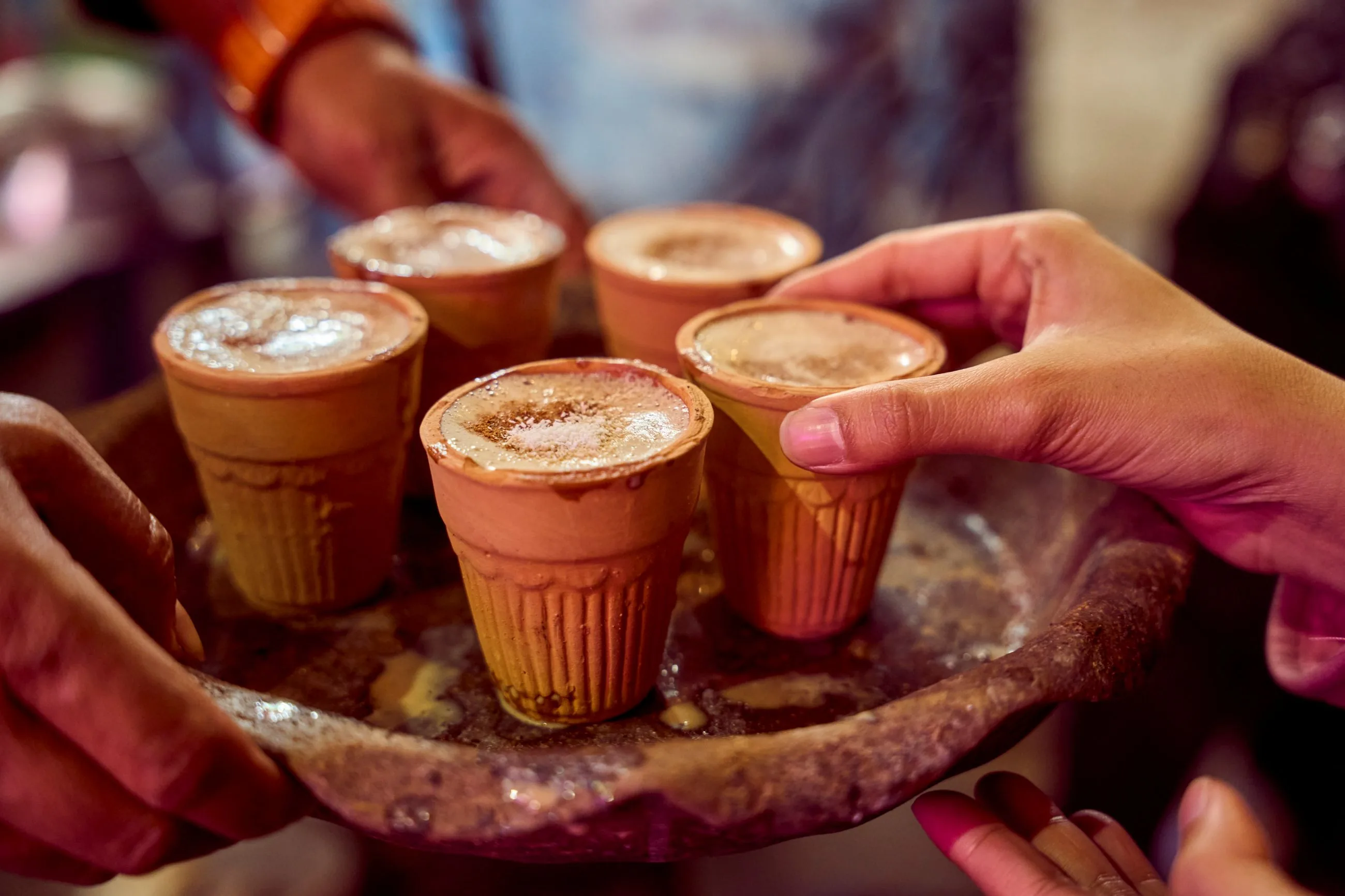
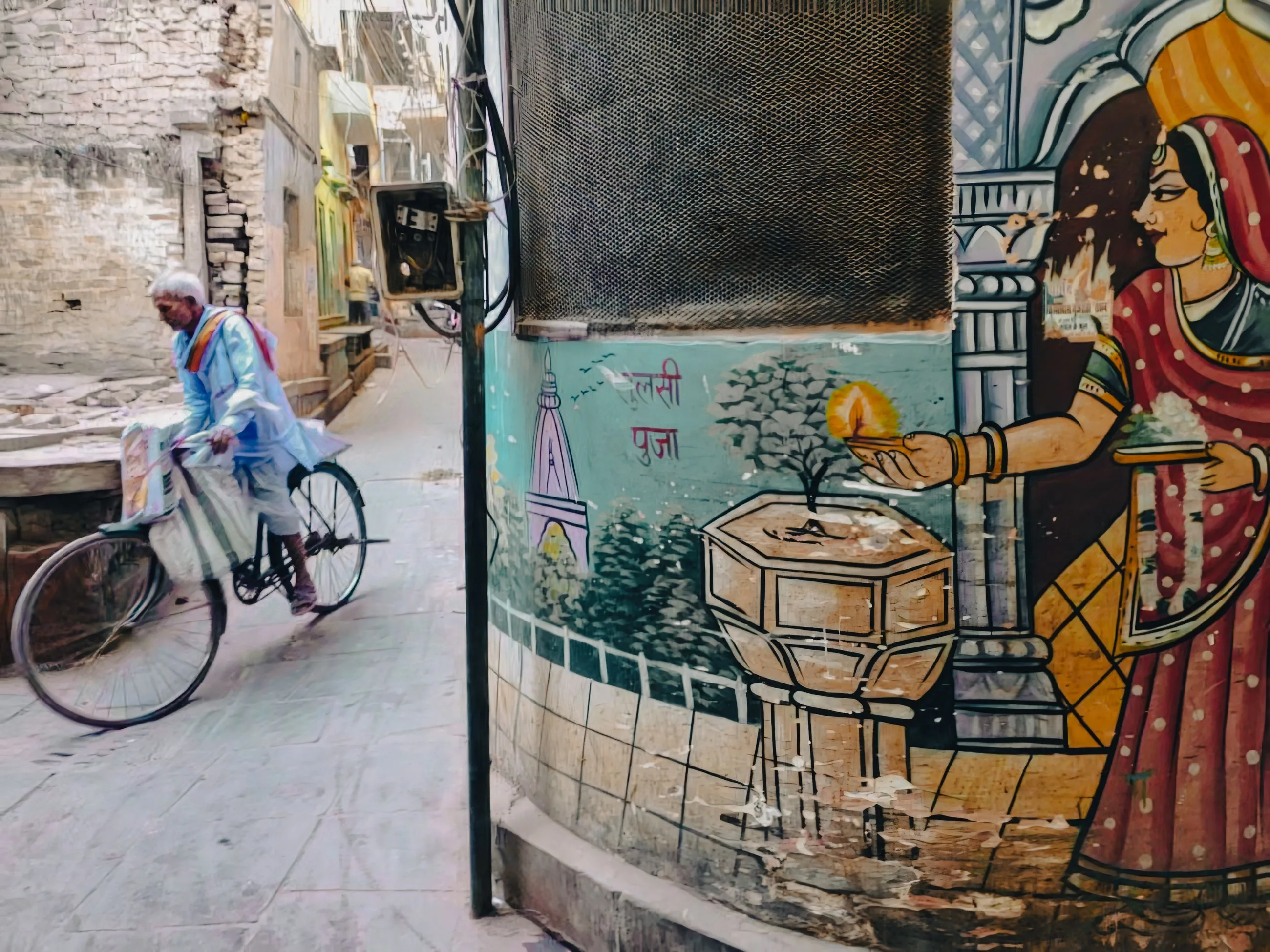
Kachori with spiced potato, hot jalebi and chai in a kulhad, at stalls that open long before the shops do. From December to February, look for malaiyyo, a saffron-flecked milk foam sold only on cold mornings.
The weavers of Banaras
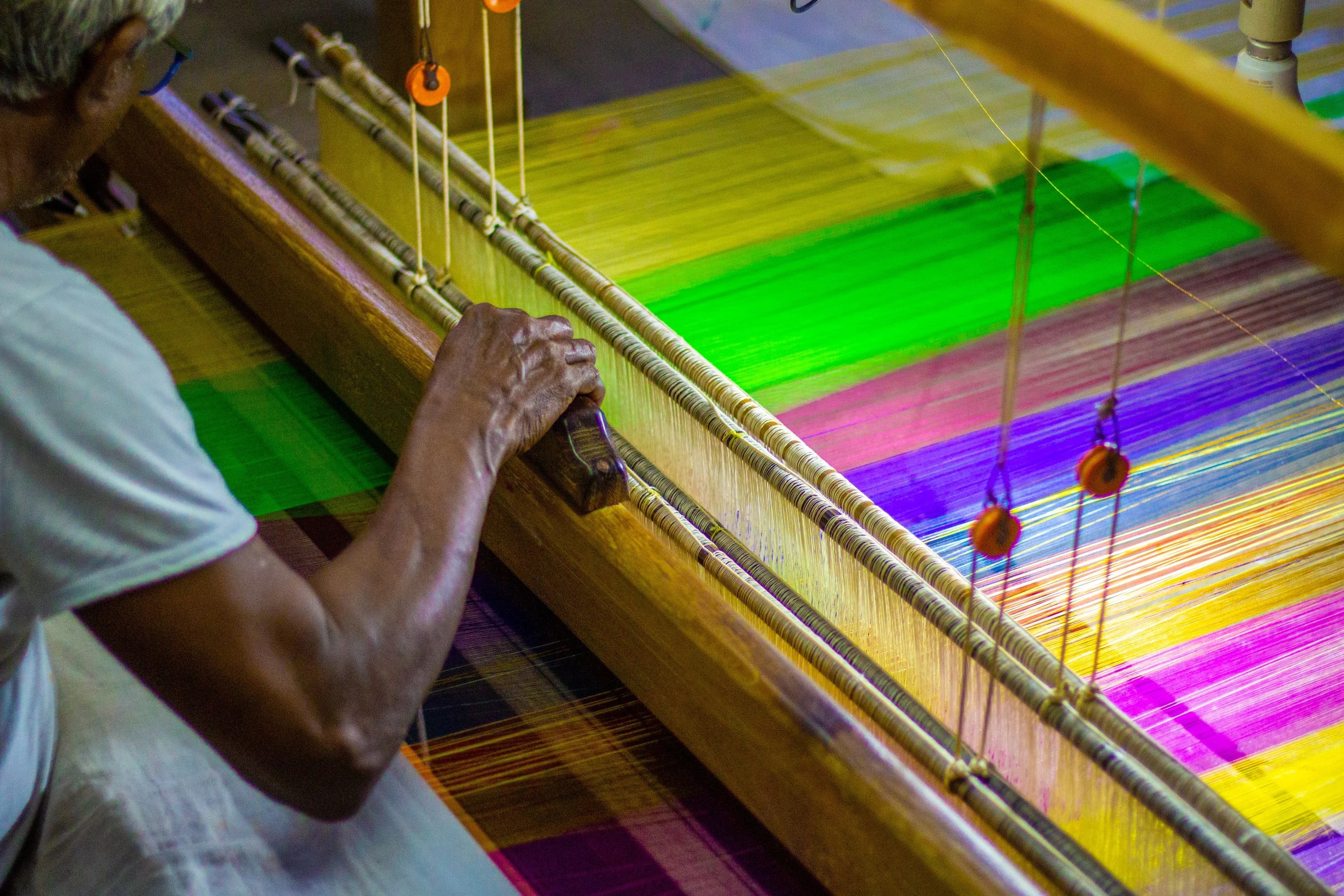
Brocade is still woven on handlooms in the city's weaving neighbourhoods, with zari worked in by eye. A visit should be a conversation with the makers first; buying anything is your choice and never the point of the visit.
Dev Deepawali, if your dates allow
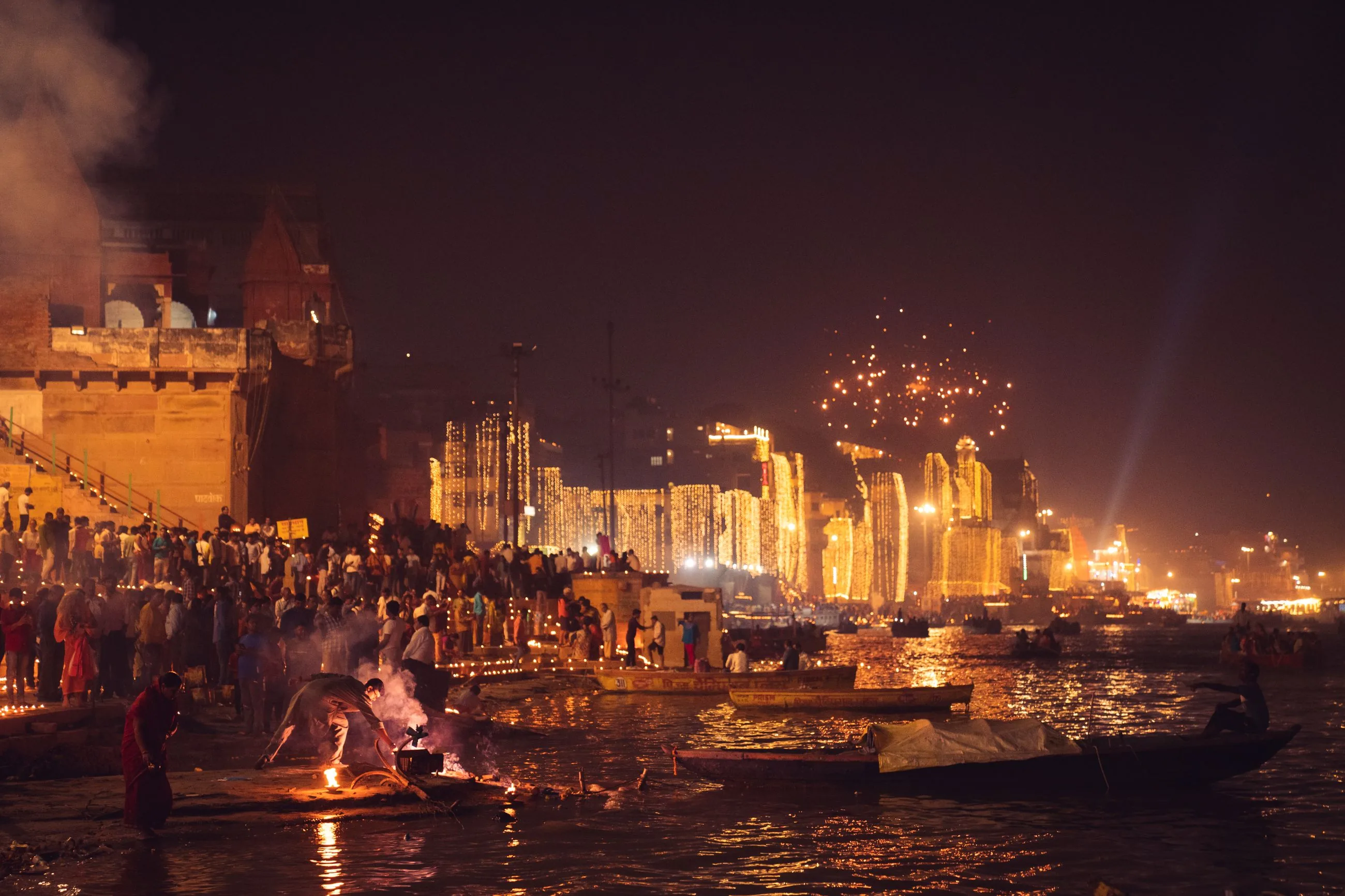
On Kartik Purnima, fifteen days after Diwali, the ghats are lit end to end with clay lamps. In 2026 it falls on 24 November. Rooms, boats and roads are booked out well ahead, and the riverfront is extremely crowded that evening.
A suggested three-day first visit: Kashi Vishwanath and the evening aarti, a sunrise boat along the ghats, Sarnath, and an old-city walk with a silk handloom visit, all from one Varanasi hotel.
A suggested four-day Varanasi pilgrimage with rest every afternoon: the evening aarti, Kashi Vishwanath and Vishalakshi, an evening of music, a sunrise boat with a scholar, Sarnath and a wellness morning.
A suggested four-day Varanasi journey through its evening food lanes, breakfasts, temples and silk weavers, with the river at sunrise, the ghats on foot, Sarnath and Subah-e-Banaras. Guided walks and tastings are in every tier.
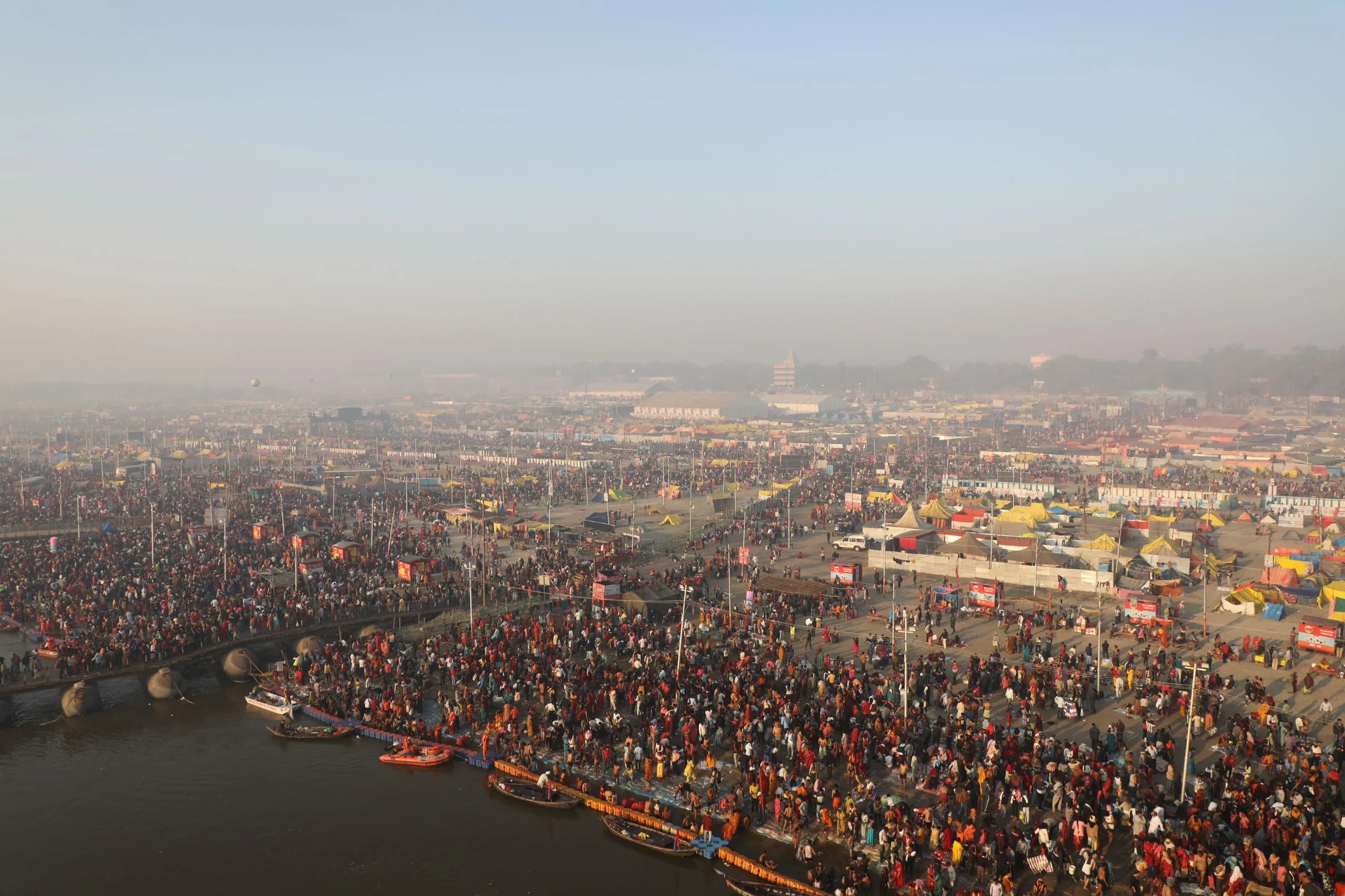
A suggested four-day pilgrimage: the evening aarti from a boat and Kashi Vishwanath in Varanasi, then the road to Prayagraj for a holy dip at the Triveni Sangam, Bade Hanuman, Anand Bhawan and Alopi Devi.
A suggested five-day pilgrimage: the aarti from a boat, Kashi Vishwanath and Sarnath in Varanasi, then the Sarayu aarti, the Shri Ram Janmabhoomi Mandir, Hanuman Garhi, Kanak Bhawan and Ram Ki Paidi in Ayodhya.
A suggested six-day pilgrimage through three sacred towns: Kashi Vishwanath, Annapurna, the Ganga and Sarnath at Varanasi, a holy dip at the Sangam in Prayagraj, and the Sarayu and the Shri Ram Janmabhoomi Mandir at Ayodhya.
Three nights is a good first visit: a dawn boat and the old city on one day, Sarnath on another, and time to sit by the river with nothing planned. Two nights work if your schedule is tight; four suit a slower pace or travellers who need more rest.
Will the sunrise boat run whatever the weather?
No. Boats depend on local orders, the weather and the river level. In the monsoon the administration often suspends all boats for days at a time, and dense winter fog can delay a sailing. When a session cannot run, the plan moves to a walk along the ghats or another slot where one is available.
Can phones be taken into Kashi Vishwanath?
No. Phones, cameras and other electronic devices are not permitted in the temple zone. It is simplest to leave them in your vehicle or at the hotel. The rules can change, so they are checked again in the week you travel.
Is Varanasi manageable for older travellers?
With planning, yes. The ghats have steep steps and the lanes are reached on foot, so share mobility needs early. The plan can then rely on a hotel with an easy approach, drop-off points as close as the lanes allow, the river seen by boat, and rest built into every day.
PLAN WITH TOURMELLOH
Varanasi and beyond, arranged for you.
Tell us the places on your mind, your dates and who is travelling. We reply with a written proposal shaped around you.