The Dhamek Stupa and the deer park
Walk the excavated monasteries slowly, then sit for a while near the stupa, where pilgrims circle clockwise and chant. Early morning and late afternoon are cooler and quieter.
Rituals and occasions
Temple, ritual & pujaOccasions, dining & giftsPhotography & filmsSpecialist servicesSarnath, about ten kilometres north-east of Varanasi, is where the Buddha gave his first teaching to five companions after his enlightenment at Bodh Gaya. The deer park holds the Dhamek Stupa, the brick foundations of monasteries and the broken Ashokan pillar, and the site museum keeps the Lion Capital adopted as India's national emblem. In July 2026 the site was inscribed on the UNESCO World Heritage List.
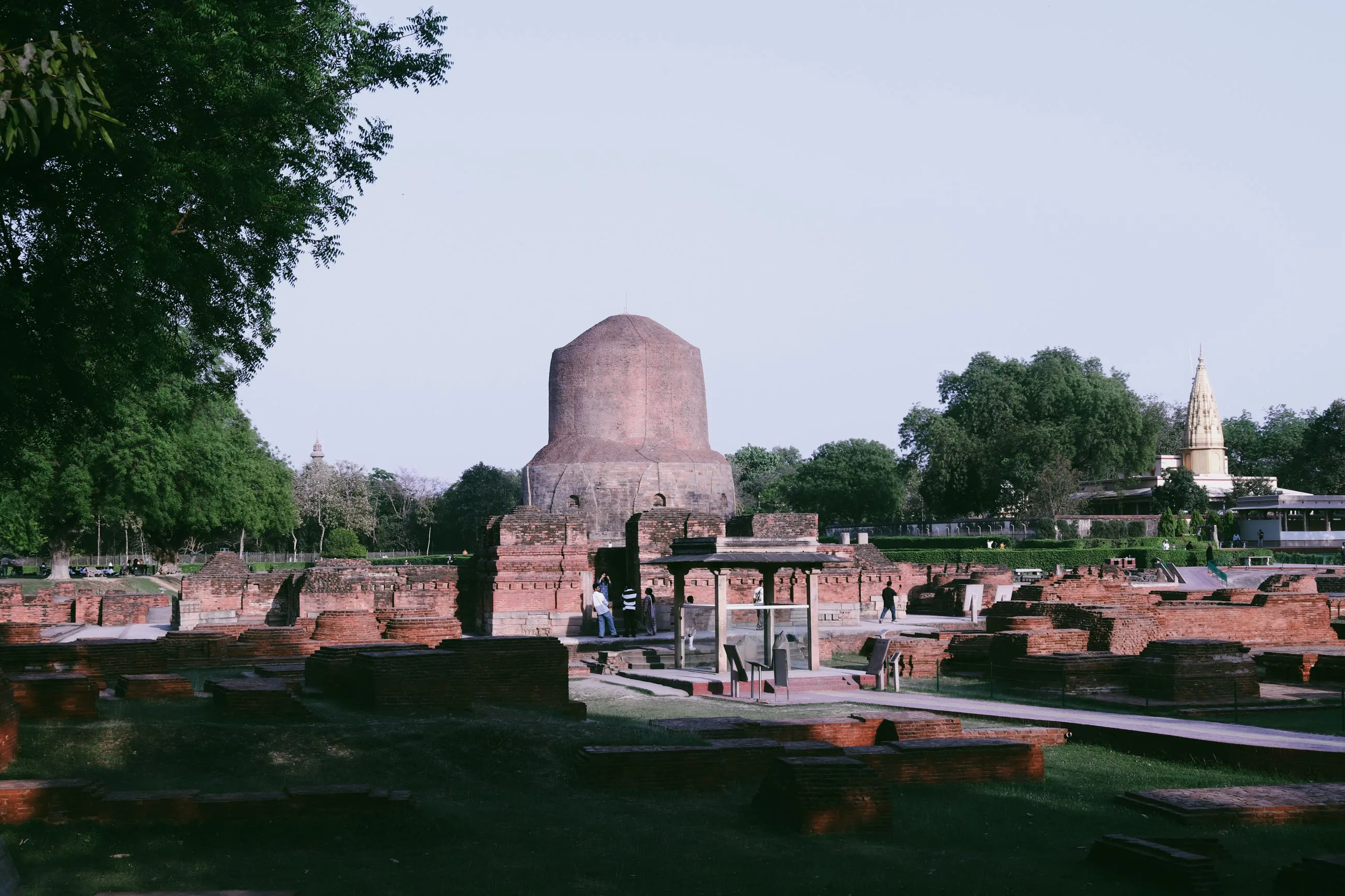
The archaeological park is the heart of a visit. The Dhamek Stupa, its lower drum faced with carved bands of floral and geometric pattern, rises over the foundations of monasteries that once housed large communities of monks. Nearby are the base of the Dharmarajika Stupa and the stump of the Ashokan pillar. The World Heritage listing of 25 July 2026, India's 45th, covers these remains together with the Chaukhandi Stupa on the road in from Varanasi. A guide who reads ruins well turns the brick outlines back into halls, cells and courtyards.
The Archaeological Museum, run by the Archaeological Survey of India, is closed on Fridays while the park stays open, so the Sarnath day is fixed around that before anything else. Its centrepiece is the Lion Capital of Ashoka, four lions seated back to back in polished sandstone, and its Buddha images from the Gupta period repay slow looking. Beside the park, the Mulagandha Kuti Vihara, a temple built by the Maha Bodhi Society in 1931, has wall paintings of the Buddha's life by the Japanese artist Kosetsu Nosu.
Sarnath is gentle in a way Varanasi is not: flat paths, open lawns and far fewer crowds outside the main Buddhist festivals. Most travellers visit as a half day from Varanasi, often after a dawn on the river, but it suits a slower pace too, with time to sit near the stupa or in a monastery garden. For Buddhist pilgrims it is one chapter of a longer story that continues at Bodh Gaya in Bihar and, within Uttar Pradesh, at Kushinagar and Shravasti.
Walk the excavated monasteries slowly, then sit for a while near the stupa, where pilgrims circle clockwise and chant. Early morning and late afternoon are cooler and quieter.
The original Ashokan capital, India's national emblem, is the reason many visitors come. The museum is closed on Fridays, and its rules on photography and bags are checked before the visit.
A working temple with murals of the Buddha's life painted in the 1930s. Visit quietly with shoes off, and avoid the chanting sessions unless you wish to sit with the community.
A brick stupa on a mound where tradition says the Buddha met his first five disciples, crowned by an octagonal tower added in 1588 to mark a visit by the Mughal emperor Humayun.
A guide trained in Buddhist history reads the inscriptions with you and explains how a monastery worked. Sarnath with a Specialist Guide is one of the experiences you can request, with transport and entry listed separately.
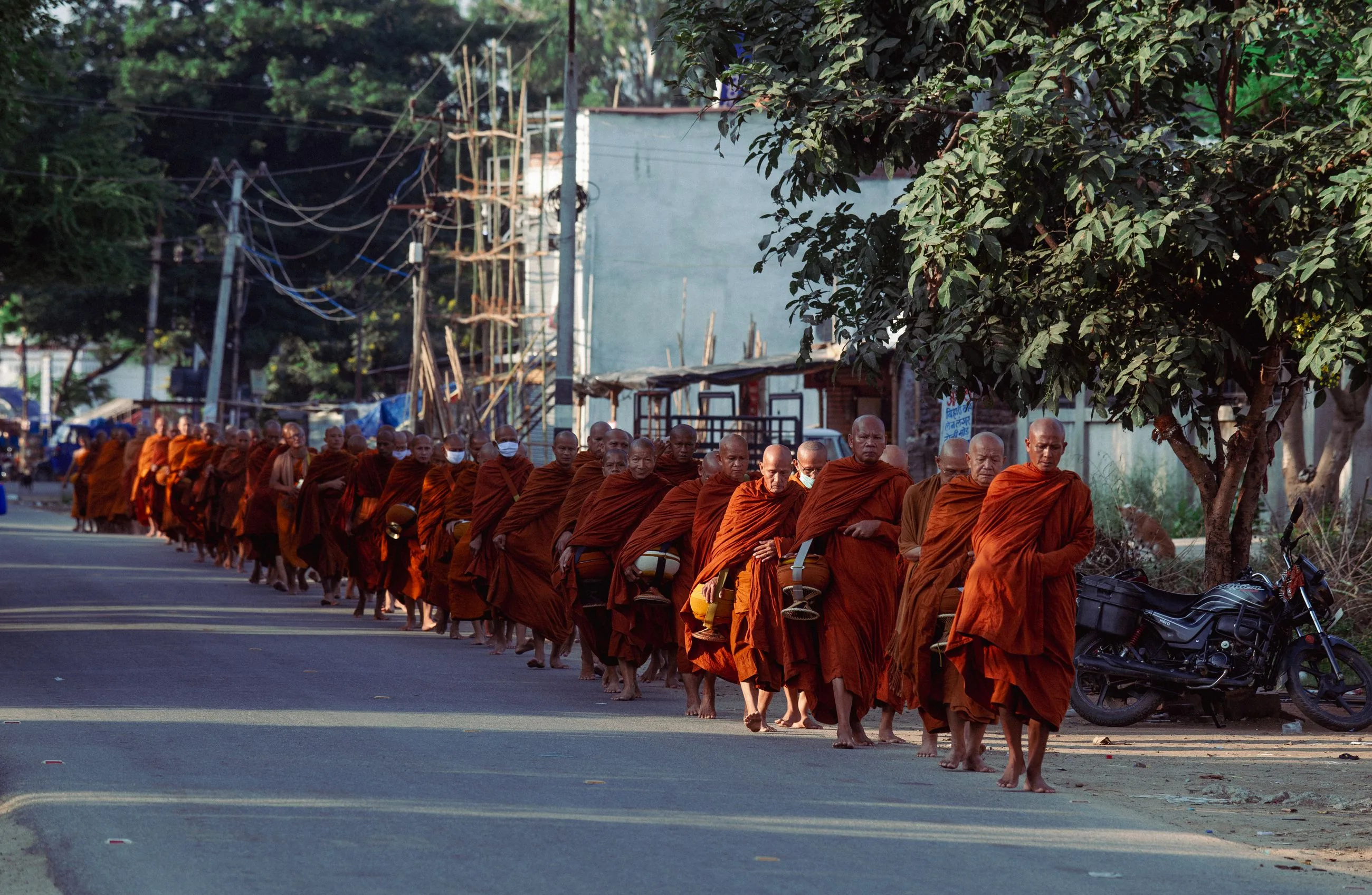
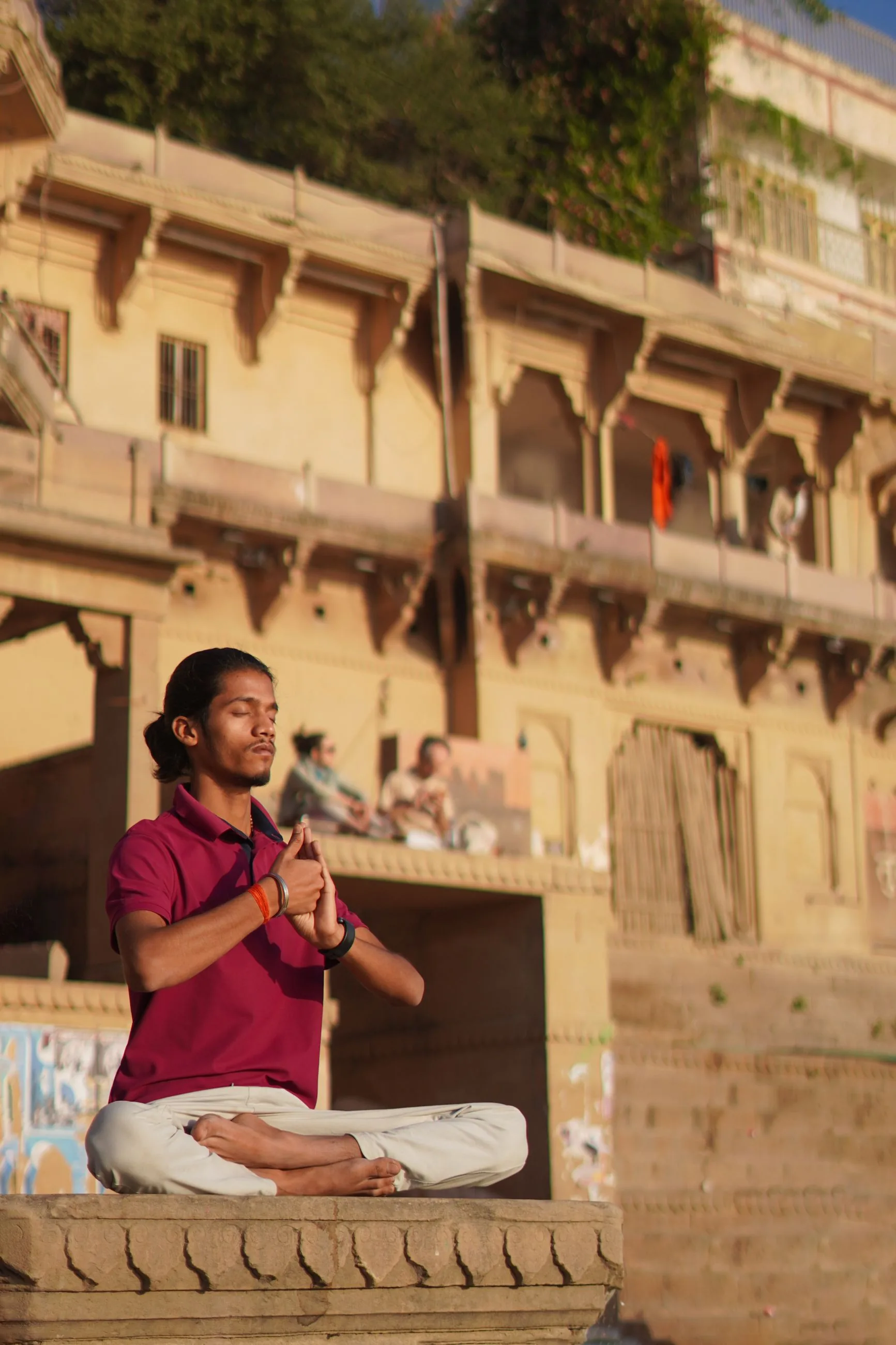
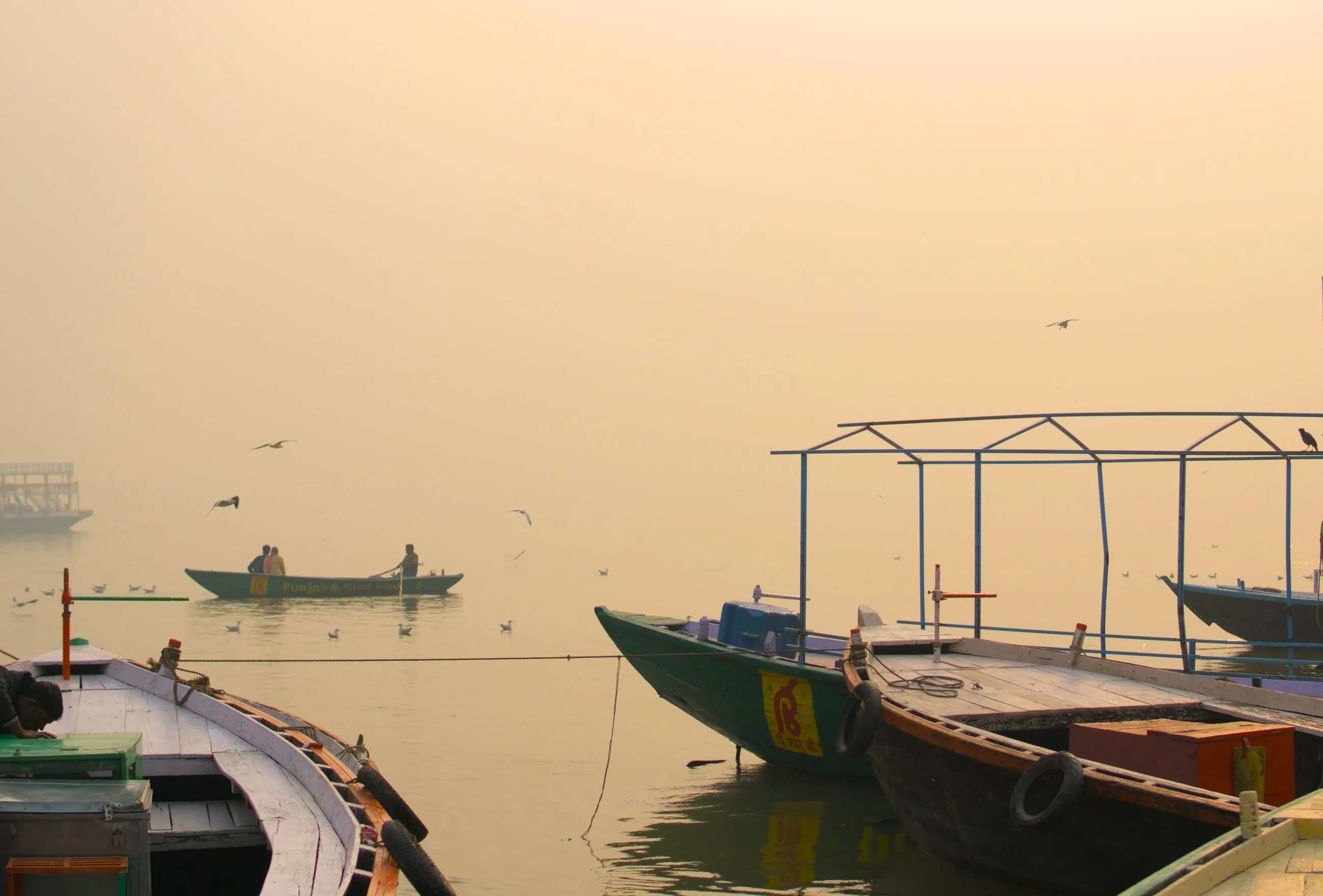
A suggested three-day first visit: Kashi Vishwanath and the evening aarti, a sunrise boat along the ghats, Sarnath, and an old-city walk with a silk handloom visit, all from one Varanasi hotel.
A suggested four-day Varanasi pilgrimage with rest every afternoon: the evening aarti, Kashi Vishwanath and Vishalakshi, an evening of music, a sunrise boat with a scholar, Sarnath and a wellness morning.
A suggested four-day Varanasi journey through its evening food lanes, breakfasts, temples and silk weavers, with the river at sunrise, the ghats on foot, Sarnath and Subah-e-Banaras. Guided walks and tastings are in every tier.
A suggested five-day pilgrimage: the aarti from a boat, Kashi Vishwanath and Sarnath in Varanasi, then the Sarayu aarti, the Shri Ram Janmabhoomi Mandir, Hanuman Garhi, Kanak Bhawan and Ram Ki Paidi in Ayodhya.
A suggested six-day pilgrimage through three sacred towns: Kashi Vishwanath, Annapurna, the Ganga and Sarnath at Varanasi, a holy dip at the Sangam in Prayagraj, and the Sarayu and the Shri Ram Janmabhoomi Mandir at Ayodhya.
Five nights on three sacred rivers: the Ganga at Kashi, the Sangam at Prayagraj and the Mandakini at Chitrakoot, with darshan, Sarnath, the Kamadgiri parikrama and the Ramghat aarti.
No. The Archaeological Museum is closed on Fridays, while the archaeological park stays open. Visiting hours can change, so they are checked before your day is fixed.
A half day covers the main sites well. Give it a full day if Buddhist history interests you, if you want time to meditate, or if older travellers need a slower pace with a proper lunch break.
Yes. Awakening & the First Teaching joins Varanasi and Sarnath with Bodh Gaya over a suggested five days. The two places are about 250 km apart by road, so the journey treats the drive as a travel day of its own.
Tell us the places on your mind, your dates and who is travelling. We reply with a written proposal shaped around you.