Vishnupad Temple
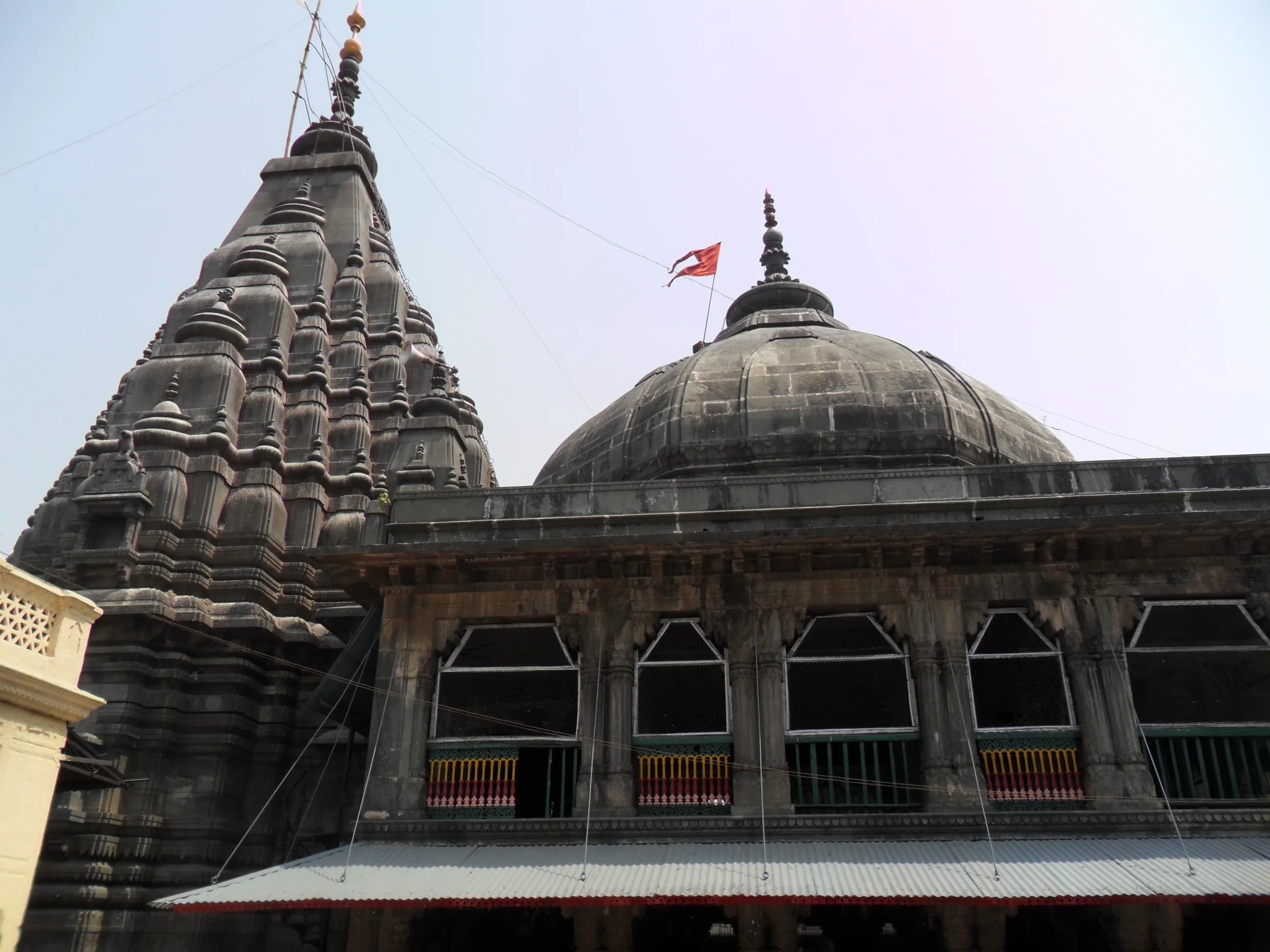
The temple of Vishnu's footprint, rebuilt in the eighteenth century, at the centre of Gaya's pilgrimage. Non-Hindus may not enter; the surrounding lanes and ghats still give a strong sense of the city's devotion.
Rituals and occasions
Temple, ritual & pujaOccasions, dining & giftsPhotography & filmsSpecialist servicesGaya, renamed Gaya Ji by the Bihar government in May 2025, is a Hindu pilgrimage city on the banks of the Falgu. Families come here to perform pind daan and other rites for departed ancestors, centred on the Vishnupad Temple. It is a different place, with a different purpose, from Bodh Gaya, the Buddhist town around the Mahabodhi Temple about fifteen kilometres to the south.
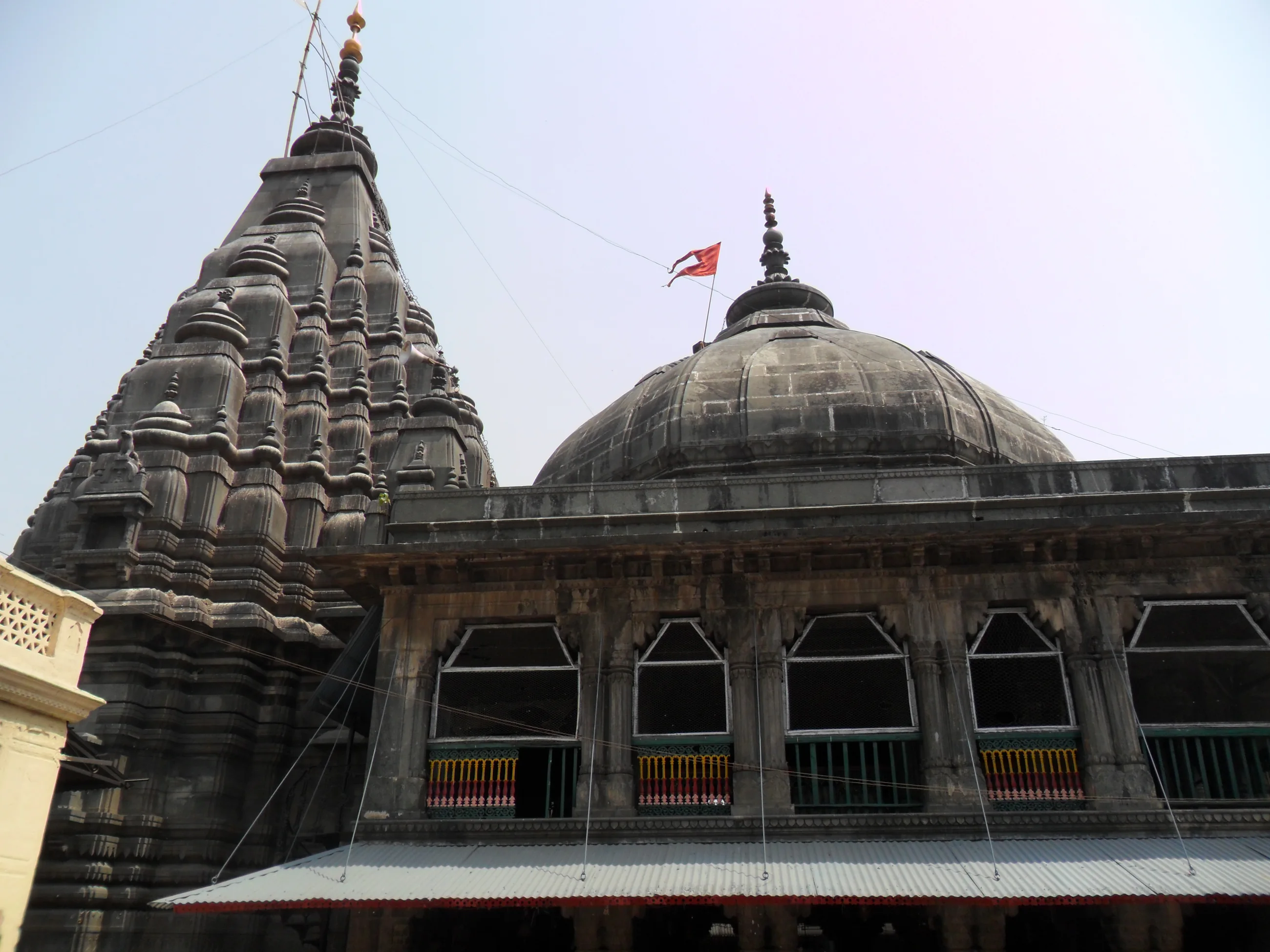
The Vishnupad Temple stands over a footprint in rock that tradition identifies as Vishnu's, beside the Falgu river. The present shrine dates from the late eighteenth century and is credited to Ahilyabai Holkar of Indore. Around it, altars known as vedis run along the riverbank and the surrounding hills, including the Akshayavat and Pretshila, and families perform rites at one or several of them depending on custom and the time available. Entry to the Vishnupad sanctum is restricted to Hindus, a rule displayed at the gate.
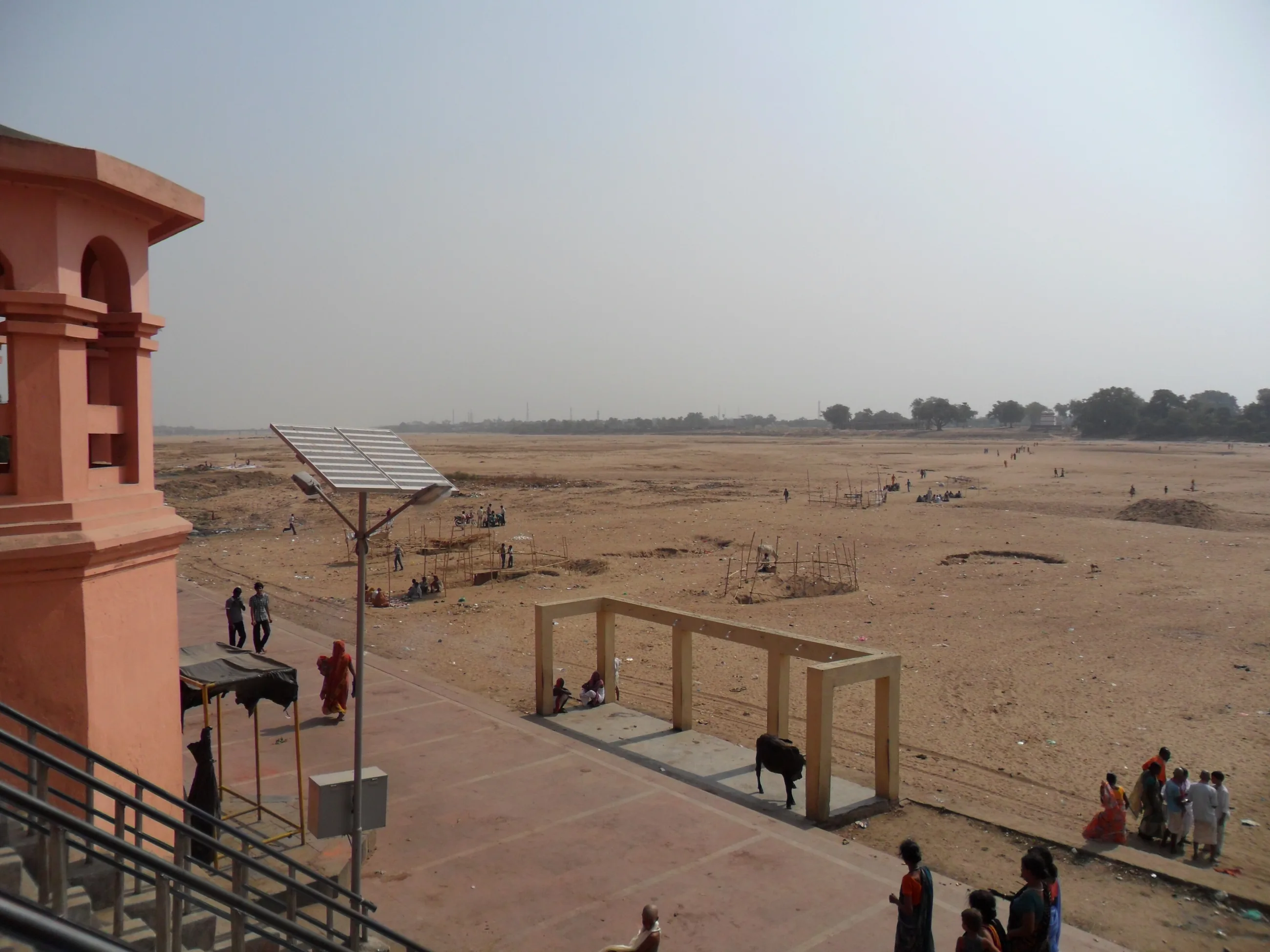
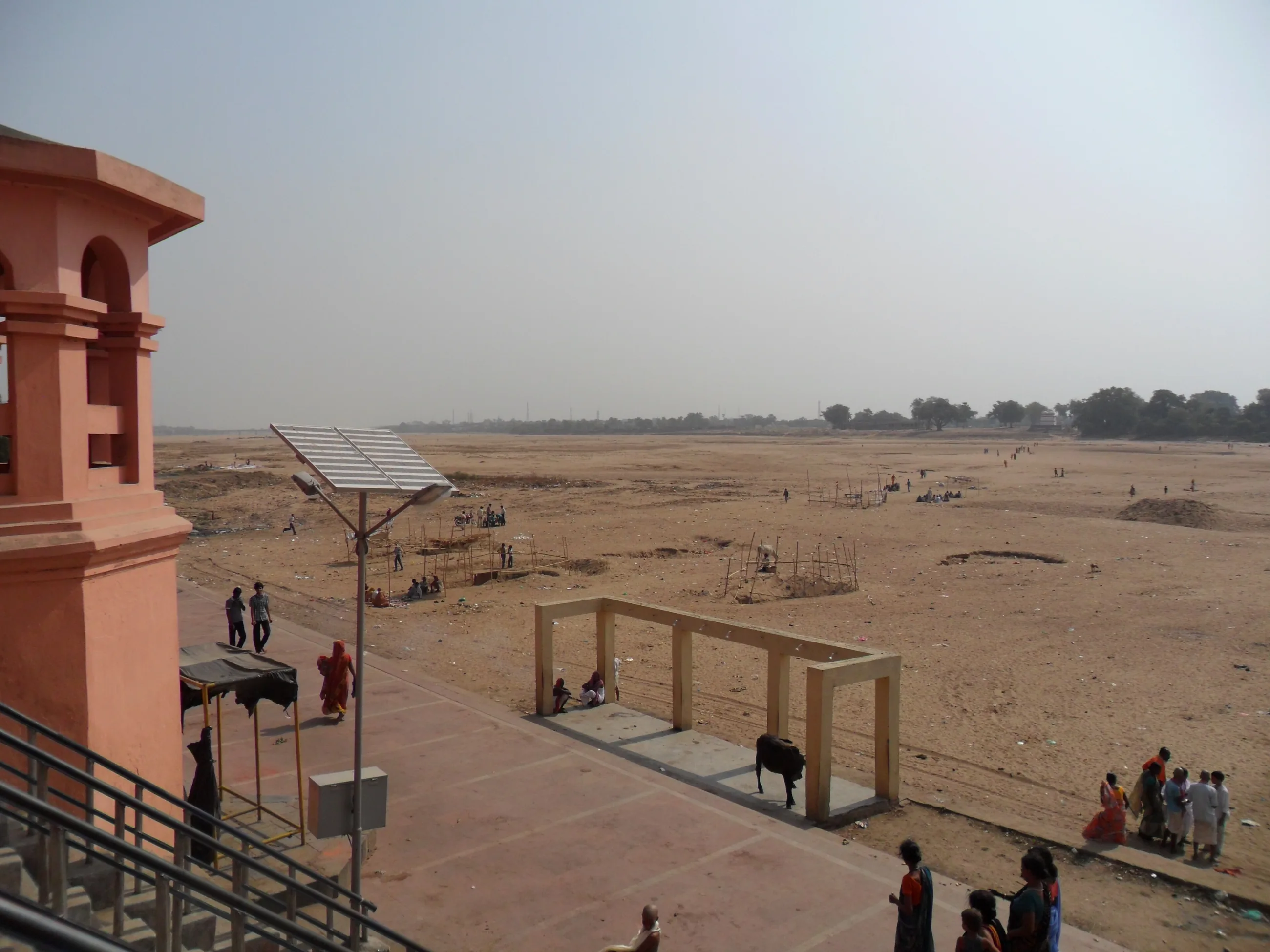
Rites in Gaya are usually led by Gayawal priests, many of whose families keep genealogical records of the pilgrims they have served across generations. The busiest time is Pitru Paksha, the fortnight of ancestors in September or October, when the state holds the Pitru Paksha Mela and the city fills with pilgrims. Outside the monsoon the Falgu is often a broad sandy bed; the Gayaji rubber dam, opened in 2022 near the Vishnupad ghats, was built to hold water for bathing and rites, though levels still vary.
Because Gaya and Bodh Gaya are so close, they are often confused, and some journeys combine them. A Hindu rites journey does not automatically include a Buddhist programme, and a Buddhist pilgrimage does not include rites in Gaya, unless either is expressly added. If you plan both, each is given its own time: rites in Gaya often take most of a morning or longer, and the Mahabodhi deserves an unhurried visit of its own.
The temple of Vishnu's footprint, rebuilt in the eighteenth century, at the centre of Gaya's pilgrimage. Non-Hindus may not enter; the surrounding lanes and ghats still give a strong sense of the city's devotion.
The offering of rice balls for departed ancestors varies by family custom, from a single altar to several days. Share the rite, your tradition and the number taking part when you enquire; priest, materials, timing and charges are then confirmed in writing.
Many rites begin with a bath or an offering at the Falgu. Outside the monsoon the river is often sand with channels of water, and the ghats near Vishnupad are crowded through the morning.
The undying banyan of Gaya is one of the altars where final offerings are often made. Other vedis lie across the city and its hills; which ones you visit depends on custom and time.
A hill north-west of the city, associated with rites for departed souls, with a temple at the top of several hundred steps. Many families treat it as optional, and the climb is demanding in heat.
A hilltop temple to the goddess, counted among the Shakti Peethas and reached by a flight of steps. A short visit many pilgrims add once their rites are complete.
Pind Daan at the Ganga ghats in Kashi and at the Vishnupad temple, the Falgu and Akshayavat in Gaya, with priests and scope agreed with your family, and a last visit to the Mahabodhi Temple.
Five nights from Kashi to Gaya: rituals at the Triveni Sangam on a day from Varanasi, Kashi Vishwanath and Manikarnika, and Pind Daan at the Vishnupad temple and the Phalgu, with the Mahabodhi Temple.
The ghats and Kashi Vishwanath at Varanasi, the Sangam at Prayagraj, Ram Ghat and Kamadgiri at Chitrakoot, and Pind Daan at Gaya's Vishnupad Temple, in an eight-day private pilgrimage by road.
No. Gaya, now officially Gaya Ji, is a Hindu pilgrimage city known for the Vishnupad Temple and ancestral rites. Bodh Gaya, about fifteen kilometres to the south, is the Buddhist town around the Mahabodhi Temple, where the Buddha attained enlightenment.
Yes, if you add it expressly. A rites journey does not include a Buddhist programme by default. If both matter, each gets its own time, usually a morning for the rites and a separate, unhurried visit to the Mahabodhi.
It depends on the family's custom. A single offering can take a few hours; some traditions involve several altars over one or more days. The scope is agreed with the priest before the length of the journey is set.
Entry to the temple is restricted to Hindus, and the rule is enforced. Non-Hindu travellers can walk the surrounding lanes and the riverbank respectfully.
Tell us the places on your mind, your dates and who is travelling. We reply with a written proposal shaped around you.